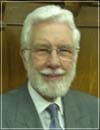
The sermon titled "Hearing and Doing," based on Matthew 7:21-27, addresses the critical Reformed doctrine of the necessity of genuine faith manifested through obedience to God's Word. Stephen Hyde emphasizes that mere verbal proclamation of faith, such as calling upon the Lord, is insufficient for entry into the Kingdom of Heaven; only those who truly do the will of God will be accepted (Matthew 7:21). He highlights the contrast between the wise man who builds his house on the rock, representing Christ and His teachings, and the foolish man who builds on sand, representing a life devoid of genuine obedience to God. Hyde underscores that true believers not only hear the gospel but also act upon it, indicating a transformational faith that leads to spiritual endurance during life's trials. The sermon's practical significance lies in its call for self-examination among listeners regarding the authenticity of their faith and their commitment to obey the teachings of Scripture.
“Not everyone that saith unto me, Lord, Lord, shall enter into the kingdom of heaven, but he that doeth the will of my Father which is in heaven.”
“The whole purpose why you come to hear the Gospel preached, so that you may understand the truth of God's Word.”
“We want a foundation which is going to be firm and solid, which will stand when the storms of life come.”
“What a wonderful Saviour, what a wonderful God, should have looked upon me utterly unworthy.”
The Bible teaches that true faith is evidenced by obedience to God's Word.
Matthew 7:21-27, James 2:17
We have assurance of salvation through hearing and doing God's Word.
Matthew 7:21-27, 2 Corinthians 13:5
Obedience is essential as it demonstrates our faith and ensures our stability in trials.
Matthew 7:24-27, John 16:33
Being a doer of the Word means actively living out the teachings of Scripture in our daily lives.
James 1:22, Matthew 7:21-27
Auto-generated transcript • May contain errors

Comments
Your comment has been submitted and is awaiting moderation. Once approved, it will appear on this page.
Be the first to comment!