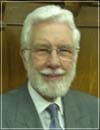
In the sermon "To the Church at Philadelphia," Stephen Hyde addresses the doctrine of God's sovereign authority in opening and shutting doors, as exemplified in Revelation 3:7-13. Hyde articulates that Christ, identified as holy and true, holds the ultimate power to grant opportunities for ministry and faith, emphasizing that it is God who opens doors for His churches, ministers, and believers. He references both the promises of protection from temptation and the assurance of triumphant fellowship in the New Jerusalem, grounding his points in direct scriptural citations. The practical significance of the sermon lies in the believer's call to rely on God's providence and to remain steadfast in their faith, as they face temptations and trials, ultimately holding fast to their heavenly crown.
Key Quotes
“It's God that opens doors. It's God that shuts doors. And you and I cannot fight against that blessed work of the blessed God.”
“What a mercy it is, therefore, to have such a kind and gracious God.”
“Hold that fast which thou hast, that no man take thy crown.”
“No sinner should ever be empty sent back who comes seeking mercy for Jesus' sake.”
The Bible teaches that God opens and shuts doors of opportunity according to His will, as seen in Revelation 3:7.
In Revelation 3:7, we see that the Lord Jesus Christ holds the key of David, symbolizing His authority over all things. It is God alone who opens doors of opportunity for His churches, and this divine action is central to our understanding of His sovereignty. Churches exist to fulfill His will, and if no door is opened by God, there would be no church or opportunity for ministry. This truth humbles us and reminds us of the need to rely solely on God for all aspects of life and salvation.
Revelation 3:7
God promises to keep His people from the hour of temptation as stated in Revelation 3:10.
In Revelation 3:10, God assures the church of Philadelphia that He will keep them from the hour of temptation, which He describes as coming upon the whole world. This promise teaches us that God is actively involved in protecting His people from trials that may threaten their faith. Moreover, as many believers have experienced, God is faithful and capable of granting a way of escape during seasons of testing. This is a vital doctrine in sovereign grace theology, emphasizing that true believers are kept by the power of God through faith, as highlighted in 1 Peter 1:5.
Revelation 3:10, 1 Peter 1:5
Holding fast to our faith is essential to ensuring that no one takes our crown of righteousness, according to Revelation 3:11.
Revelation 3:11 warns believers to hold fast to what they have received so that no one may take their crown. This directive emphasizes the importance of perseverance in the Christian faith. The crown here symbolizes eternal life and reward that believers receive for their faithfulness. The devil works relentlessly to lure believers away from their commitments, and thus it is crucial to remain steadfast. Our spiritual integrity and commitment to Christ not only affirm our salvation but also stand as a testimony to His sustaining grace in our lives.
Revelation 3:11
The 'open door' symbolizes God's provision of opportunities and access to His grace.
In Revelation 3:8, the open door represents God's initiative in providing opportunities for ministry and access to His grace for the church at Philadelphia. This emphasis on God's sovereignty assures believers that their efforts in spreading the Gospel are grounded in God's will. Furthermore, it is a reminder that no one can shut what God has opened, instilling confidence in us as His instruments. Such biblical imagery encourages churches to step forward in faith, relying on God's strengthening grace when pursuing Kingdom work.
Revelation 3:8
Comments
Your comment has been submitted and is awaiting moderation. Once approved, it will appear on this page.
Be the first to comment!
