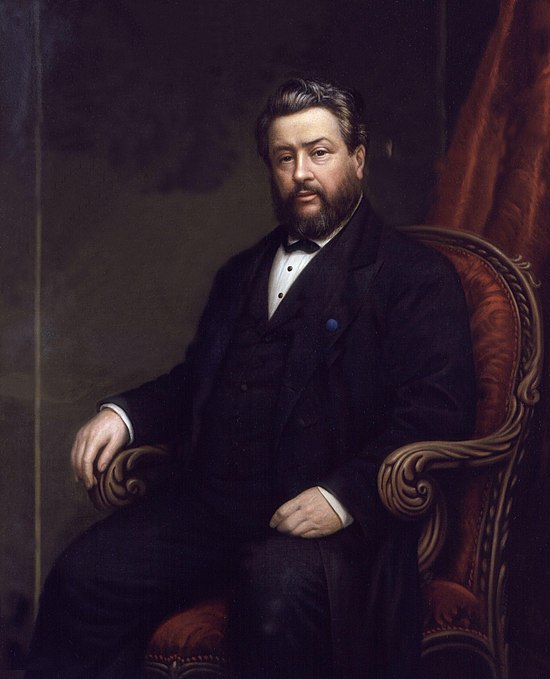
In the sermon titled "If You Strike a Dog with a Stick," C. H. Spurgeon addresses the theme of God's sovereignty in affliction and the purpose behind suffering. He argues that trials and tribulations in a believer's life should be recognized as coming directly from God, rather than attributing them to secondary causes like chance, the devil, or human malice. Spurgeon references Proverbs 3:11-12 and Revelation 3:19 to underscore the truth that God's chastening is an expression of His love, intended for the growth and spiritual maturity of His people. The practical significance of this message is that believers may find comfort in their suffering, seeing it as a divine instrument for correction and ultimately for their good, rather than succumbing to bitterness or despair when facing life's challenges.
Key Quotes
“When times are good, be happy, but when times are bad, consider God has made the one as well as the other.”
“He smites, he tears, he slays, but this is his surgery of love.”
“Those whom I love I reprove and chasten. Oftentimes the Christian who endures heavy trials receives such severe treatment because the Lord has a secret love to his soul.”
“My son, do not despise the chastening of the Lord, and do not resent His rebuke, because the Lord disciplines those He loves.”
The Bible teaches that God's discipline is a sign of His love for His children.
According to Hebrews 12:6, 'For the Lord disciplines the one He loves, and chastises every son whom He receives.' This passage emphasizes that God's discipline is not arbitrary but is rooted in His deep love and commitment to our spiritual growth. When we face trials and afflictions, it is vital to recognize that they often come from the hand of the Lord, serving as a corrective measure intended for our benefit and sanctification. As discussed in Hosea 6:1, recognizing God as the source of our trials helps us to understand His purpose in them, which can lead us to greater reliance on Him and a deeper relationship with Him.
Hebrews 12:6, Hosea 6:1
The Bible teaches that God's discipline is a sign of His love and involves reproving and chastening those He calls His children.
Scripture clearly reveals that God's discipline is intended for the good of His beloved people. As we see in Proverbs 3:11-12, 'Do not despise the chastening of the Lord, nor detest His correction; for whom the Lord loves, He reproves, even as a father the son in whom he delights.' This highlights that God's chastening is not a sign of neglect but rather a demonstration of His intimate love and care for us. The experiences of suffering and trials in a believer's life must be viewed through the lens of divine love, where each affliction is seen as a form of significant discipline, leading to greater holiness and reliance on God.
Furthermore, in Hosea 6:1, the message of returning to the Lord underlines the assurance that He is both our healer and the one who allows for trials in our lives. These trials are not purposeless or arbitrary; they originate from God's sovereign hand for our correction and growth. Believers must therefore learn to trust that their hardships come from God and that He uses them to cultivate a strength of faith in us, much like a vine is pruned to bear more fruit.
Proverbs 3:11-12, Hosea 6:1
The Bible assures us that all trials have a purpose ordained by God.
In Hosea 6:1, the prophet understands that his afflictions are a direct result of God's action, as he emphasizes the divine origin of trials when he states, 'He has torn us to pieces, but He will heal us.' This perspective encourages believers to look beyond secondary causes, such as circumstances or the actions of other people, to recognize that all things are ultimately under God's sovereign hand. This understanding of God's providence is vital as it reassures us that even in our suffering, God has a plan that is, in His wisdom, designed for our good. Romans 8:28 also speaks to this truth, affirming that God works all things together for the good of those who love Him.
Hosea 6:1, Romans 8:28
Suffering often reflects God's love by serving as a corrective discipline meant to draw us closer to Him.
Understanding suffering as a form of God's love requires recognizing that He bestows discipline upon those He cherishes. In Revelation 3:19, we read, 'As many as I love, I rebuke and chasten. Therefore be zealous and repent.' This passage affirms that discipline, while painful, is an essential aspect of the believer's relationship with God. It should lead us to greater zeal for righteousness and repentance.
Moreover, trials serve a purpose beyond mere suffering; they act as a refining fire that shapes our character and fosters spiritual maturity. As noted in the sermon, God’s 'surgery of love' indicates that the painful experiences we endure are not random acts of cruelty but rather intentional acts of divine intervention aimed at moral and spiritual growth. Consequently, God takes active involvement in our suffering to realign us towards His holiness. This perspective helps believers embrace their afflictions with hope and trust, acknowledging that God's love is at work even in their trials.
Revelation 3:19
God's discipline is crucial as it leads to spiritual growth and maturity.
God's discipline is essential for spiritual well-being, as it reflects His love and desire for us to grow in holiness. The proverb in Proverbs 3:11-12 cautions against despising the Lord’s discipline, indicating that those He loves are subject to His reproof. This discipline shapes us, corrects errant paths, and teaches us to rely more fully on God's grace. Moreover, enduring trials enables us to develop qualities such as perseverance and character, which Paul highlights in Romans 5:3-4. Understanding God's discipline as a manifestation of His love allows believers to respond with gratitude rather than resentment, acknowledging that it is ultimately for our spiritual benefit.
Proverbs 3:11-12, Romans 5:3-4
Recognizing that trials come from God helps Christians view hardships in a biblical context, promoting growth and reliance on Him.
Understanding the source of trials is vital for Christians because it shifts our perspective from blame to trust, allowing us to see God's hand in every circumstance. As Spurgeon illustrates, many people misplace their anger or grief on secondary causes rather than recognizing God's sovereign will behind their afflictions. Scripture calls us to trace our struggles back to the Lord Himself, which helps eliminate bitterness or despair.
When believers encounter difficulty, acknowledging God as the ultimate source of their trials can bring comfort, as it reassures them of God's ongoing presence and purpose. In light of Romans 8:28, where Paul reminds us that 'all things work together for good to those who love God,' understanding that trials are under God’s providence allows Christians to embrace suffering with a hopeful and grateful heart. Through this lens, we can see that hardships are not simply chaotic interruptions in our lives but deliberate acts of love crafted to draw us closer to God and deepen our faith.
Romans 8:28

Comments
Your comment has been submitted and is awaiting moderation. Once approved, it will appear on this page.
Be the first to comment!