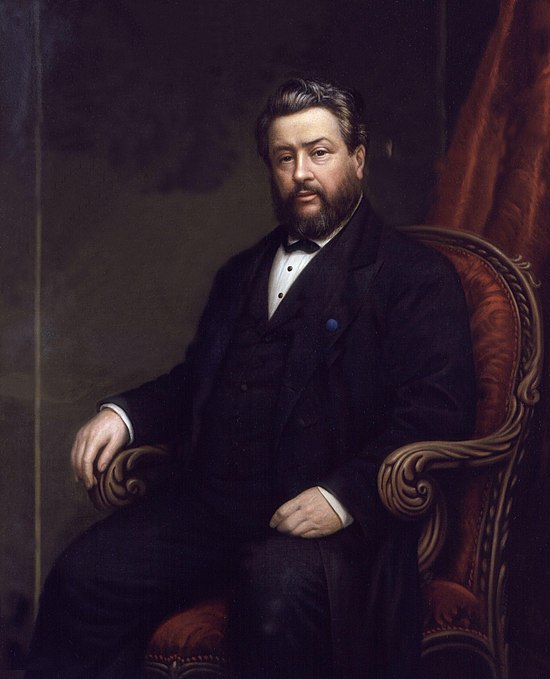
The sermon by C. H. Spurgeon addresses the essential theological topic of the "fear of God," rooted in Proverbs 1:7 and 9:10. Spurgeon argues that fearing God is not an emotion of terror, but a profound reverence that shapes our understanding of God's majesty and holiness. He illustrates this through various Biblical examples, such as Moses at the burning bush, highlighting how this fear is foundational to wisdom and knowledge. Spurgeon emphasizes that fear of God is not diminished in the New Covenant; rather, it is deepened through the grace of Christ, who reconciles God’s justice and mercy. The practical significance of fearing God lies in its transformative power to sanctify believers, guiding their actions and thoughts toward holiness and sincere worship.
Key Quotes
“The fear of God is not a mere emotion; it is the soul's rightful posture before the majesty of the Almighty.”
“To fear God rightly is not to cower as a slave before a tyrant, but to bow as a redeemed child before a Holy Father who is infinitely glorious, righteous, and just.”
“To live without the fear of God is to live as though God were small and man were great.”
“Such fear guards our souls, sanctifies our desires, and anchors us in wisdom.”
The fear of God is fundamental for wisdom and understanding, as stated in Proverbs 9:10.
Proverbs 9:10 declares, 'The fear of the Lord is the beginning of wisdom, and knowledge of the Holy One is understanding.' This fear is not merely a feeling; it represents the appropriate response of the human heart to the divine majesty of God. It is a posture of awe and reverence, acknowledging God as both Creator and Judge. This understanding of fear anchors wisdom in humility and cultivates holiness, which is essential for any believer's life.
Proverbs 1:7, Proverbs 9:10
The Bible teaches that the fear of the Lord is the beginning of wisdom and is essential for true understanding.
The fear of God is emphasized in Scripture as a cornerstone of wisdom and knowledge. Proverbs 9:10 states that the fear of the Lord is the beginning of wisdom, indicating that reverence and awe for God lead to true understanding. This fear is not simply an emotional response; it is the soul’s rightful posture before the majesty of the Almighty, recognizing His infinite glory and righteousness. It compels us to submit reverently to God as our Holy Father, understanding that He alone has the authority over all creation.
Proverbs 1:7, Proverbs 9:10
Fearing God shapes our holiness and ensures our obedience, as it's the beginning of true wisdom.
The necessity of fearing God is deeply rooted in Scripture where it serves as the fountainhead of all true knowledge. When one fears God, it restrains sin and cultivates a heart aligned with divine holiness. This fear leads to a life marked by reverence and obedience, critical traits for any Christian. The story of Moses before the burning bush illustrates that a proper understanding of God's holiness commands reverence and shapes one’s obedience. Thus, a believer’s journey begins with this holy fear that leads to wisdom.
Exodus 3:5, Proverbs 1:7
Fearing God is crucial as it anchors wisdom in humility and cultivates holiness in our lives.
Fearing God is vital for believers as it shapes our attitude towards Him and our actions in the world. The fear of God acts as a restraint against sin and encourages holiness, transforming our hearts and lives. It is the source of true knowledge, enabling us to recognize the divine holiness that commands our reverence. When we fear God, we are more inclined to align our lives with His will and live righteously. This fear is not abolished in the New Covenant but is rather deepened through the understanding of God's mercy and justice revealed in Jesus Christ.
Proverbs 1:7, Proverbs 9:10
In the New Covenant, the fear of God is deepened through our relationship with Jesus as both Creator and Redeemer.
The fear of God continues in the New Covenant, but it is enriched through the Gospel. Believers encounter God not just as Creator but as Redeemer, where Jesus fulfilled the wrath we deserve, thus showing that God's justice and mercy coalesce at the cross. Rather than abolition, this fear transitions into a deeper relationship where we recognize the majesty of a holy God who forgives and cleanses us. Maintaining a holy fear of God encourages us to live in righteous reverence, underscoring that our sin cost the sacrifice of Jesus and that approaching Him requires sincere awe.
Hebrews 12:28-29, Romans 5:8
The fear of God is essential for Christians as it sanctifies our thoughts, speech, and actions, leading to true worship.
The fear of God cultivates a mindset of humility and reverence, aligning our thoughts, speech, and actions in accordance with God's will. It serves as a purifying force that helps us to slay pride, mortify lust, and silence worldly ambitions, driving us towards sincere and acceptable worship. By recognizing God’s majesty, we are called to a life of holiness and obedience. This fear keeps us anchored in the truth of who God is, helping us to love Him more than our sin and leading us toward a deeper relationship with Him.
Hebrews 12:28-29
Fearing God influences our thoughts, actions, and worship, leading to a more sanctified life.
Fearing God has a profound impact on every aspect of daily life. It instills a perpetual sense of His presence, which sanctifies our speech, thoughts, and actions. When we fear God, we allow His holiness to purify our hearts, which in turn slays pride, mortifies lust, and silences worldly ambitions. This dramatic shift fuels sincere worship and ensures that we view God’s holiness as higher than our sin. Those who fear God walk in righteousness, embodying a life transformed by a deep reverence for the Creator, influencing how we interact with the world and fulfill our calling.
Romans 12:1-2, Proverbs 2:5
Fearing God impacts a believer's life by guiding them towards righteousness and sincere worship.
Fearing God profoundly affects a believer's life by instilling a sense of accountability and reverence that shapes their decisions and actions. This attitude of awe and respect towards God is critical in resisting sin and pursuing righteousness. For instance, biblical characters like Joseph and Daniel exemplified how the fear of God motivated them to act properly in challenging circumstances. For believers today, a proper fear of God fosters a lifestyle that prioritizes God's holiness and leads to authentic worship and obedience, ensuring that their lives reflect their understanding of who God truly is.
Genesis 39:9, Daniel 3:16-18, Acts 5:29

Comments
Your comment has been submitted and is awaiting moderation. Once approved, it will appear on this page.
Be the first to comment!