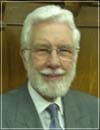
In his sermon "Paul's Dependence upon God," Stephen Hyde explores the apostle Paul's transformation from a zealous Pharisee to a devoted servant of Christ, emphasizing God's sovereign grace in salvation. Hyde articulates that Paul, initially blinded by his own righteousness, encountered the living Christ on the Damascus Road, a moment that signifies God’s intervention and the call to repentance. He references Acts 26:22-23, highlighting how Paul's commission from God was to open people's eyes and turn them from darkness to light. The sermon calls believers to examine their lives in light of their own conversions, stressing the necessity of repentance as essential for salvation, reflecting Reformed doctrines of total depravity and irresistible grace. Ultimately, Hyde reinforces that true conversion and sustained Christian living are reliant on God’s ongoing help, making it clear that salvation and obedience are purely acts of divine grace.
Key Quotes
“What we want to have is the evidence of God's work in our heart.”
“Can you say that you've obtained help of God? Help of God to live a Christian life, help of God to confess what God has done for you, help of God to repent from all your sins.”
“There is no unrepentant sinner in heaven. There will not be any unrepentant sinner in heaven.”
“It was clearly the thrust of the gospel that the apostle was taught to preach... Repent and believe the gospel.”
The Bible emphasizes that repentance is essential for forgiveness and is a work of the Holy Spirit in believers.
Repentance is highlighted throughout Scripture as a fundamental aspect of faith. In Acts 26:20, the Apostle Paul conveys that all should repent and turn to God, doing works befitting repentance. This means recognizing our sin and need for forgiveness through Christ. Notably, repentance is a gift from God, as seen when Paul speaks of those chosen by God for salvation. It is crucial for every believer to acknowledge their sinfulness and seek God’s grace genuinely, as there will be no unrepentant sinner in heaven.
Acts 26:20, Luke 13:3
God's grace is evident through the transformative power seen in individuals' lives who have come to faith.
The reality of God's grace can be seen in the dramatic transformation in the lives of believers, as illustrated by the Apostle Paul’s conversion on the Damascus Road (Acts 26:13-18). Paul, once a fierce persecutor of Christians, became a devoted witness for Christ after encountering Him. This transformative grace is not limited to dramatic experiences; it is also present in quieter awakenings, such as Lydia's heart being opened (Acts 16:14). The fact that they can testify of their changed hearts and lives is a strong evidence of God's grace working in their lives.
Acts 26:13-18, Acts 16:14
Witnessing is essential as it fulfills the Great Commission and shares the Gospel's redemptive message with others.
Christians are called to be witnesses of Christ, as outlined by the Apostle Paul in Acts 26:16-23. This task of bearing witness is a vital part of the believer's life, linking directly to the Great Commission (Matthew 28:19-20), where Jesus commands His followers to make disciples of all nations. Witnessing not only glorifies God but also provides opportunities for others to hear the message of salvation. Our testimonies, whether in personal discussions or public declarations, share the glory of God with those who are lost and may be seeking or open to the truth of the Gospel.
Acts 26:16-23, Matthew 28:19-20
Assurance of salvation comes from recognizing faith in Christ and the resulting transformation in your life.
Assurance of salvation is grounded in a personal relationship with Jesus Christ and the work of the Holy Spirit in your life. As articulated in Acts 26:18, those who are truly saved experience a turning from darkness to light, resulting in a life that reflects God's grace. Believers can examine their hearts, noting their response to God's call, their repentance from sin, and their desire to follow Him. It is essential to trust in Christ's finished work for salvation, not in one’s own merits, which assures believers of their standing before God.
Acts 26:18, Ephesians 2:8-9
Comments
Your comment has been submitted and is awaiting moderation. Once approved, it will appear on this page.
Be the first to comment!
