Bootstrap
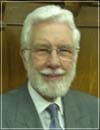
Stephen Hyde

The Cleansing of Leprosy

Leviticus 14
Stephen Hyde June, 6 2021 Video & Audio
0 Comments

The sermon by Stephen Hyde focuses on the theological significance of Leviticus 14, particularly the ceremony for the cleansing of a leper, as an illustration of the necessity of spiritual cleansing from sin through the sacrifice of Christ. Hyde argues that the leper's situation mirrors humanity's fallen state post-Eden, showcasing the need for redemption due to sin's condemnation. He highlights the dual symbolism of the two birds in the leprosy cleansing ceremony: one symbolizing Christ's death and the other representing resurrection and new life. Key Scripture references in Leviticus 14 support this symbolism, as the priest's actions and the blood’s application represent the processes of justification and sanctification. The practical significance lies in the understanding that just as the leper was cleansed and restored, believers through Christ's redemptive work can be assured of their forgiveness and reconciliation with God, thus emphasizing Reformed doctrines of total depravity, grace, and salvation.

Key Quotes

“Everybody needs to have their sins taken away. Everybody needs to be clean in a spiritual sense.”

“Without the shedding of blood, there's no forgiveness, there's no remission.”

“The blood of Christ is applied to our soul... there's that wonderful effect of it upon us.”

“The cleansing of our soul, the atonement which we received by the mercy by the grace and because of the wonderful love of the Lord Jesus Christ.”

Sermon Transcript

Auto-generated transcript • May contain errors

100%
I might please God this morning
to bless us as we meditate in his word. And this morning, as
the Lord might help us, we'll speak to you on the 14th chapter
of Leviticus. We won't actually have a particular
verse, but as we noted in our reading, this, of course, is
with reference to the leper who was cleansed from his leprosy
and what proceeded after that, the ceremony which existed. And it is really very instructive
for us today. There's many things in the Old
Testament in what we term the ceremonial law. I don't want
to be too complicated for you young people, but the law of
course, the law of God, in the Old Testament, everything that
was carried out always had a very simple significance. Perhaps
it was set forth in quite difficult ways, but there was, in actual
fact, always a very simple situation behind it. The relevance, of
course, in this is that right from the day in Eden's garden
when Adam and Eve took of that fruit and what they did was to
sin against God. And ever since that day, everybody
who has been born into this world has sinned. And everybody needs
to have their sins taken away. Everybody needs to be clean in
a spiritual sense. And it's very simple to understand
that because we believe that before us all is set the end
of our life just two directions. One, to go and to be with Jesus
in heaven. And the alternative is to go
and to be with the devil and his angels in hell forever and
ever. There's no great areas. There's no alternative. Every single person will find
themselves either in heaven or in hell. And those who are received
into heaven are those who have had all their sins taken away. Because heaven is a holy place. There is no sin in heaven. So it would not be possible for
us to go to heaven and still have sin upon us. So all of us
need to have our sins forgiven. It's a very important and desperate
position that we find ourselves in. So the Bible, therefore,
gives us many illustrations of the need, therefore, to have
our sins taken away. And the Bible directs us again
and again as to how that is carried out. And very simply and very
directly, it is only accomplished by the death of our Saviour,
the Lord Jesus Christ. When he died, he gave his life
upon that cross at Calvary to take away the sins of all his
church. And so how important it is that
you and I find ourselves blessed in that way that the Lord Jesus
Christ has indeed died for us. Now the picture we have in the
Old Testament and it is a picture and I'm sure you can realise
you young people what a picture means. If there's something written
and you read the writing it might be with might be about a tree
or something in the town or something and there's some writing about
it you don't actually see it with your eyes but in your mind
there is a picture which is produced you're thankful that you have
then a picture of it well the Bible gives us many pictures
and the Bible gives us in this 14th chapter a picture now first
of all we must consider that what was a great disease in biblical
days was the disease of leprosy. And it wasn't always easy to
determine whether it was leprosy or not. And if anybody had something
that appeared to be like leprosy, and they'd go to the priest,
and the priest would examine it, and determine whether it
was leprosy or not. And sometimes, or very often,
he would then say, well, you must go and wait seven days in
this place to see what the effect is, whether it gets better or
where it gets worse, whether it really is leprosy or whether
it's not. Because they had to go and to
be separated from the people. And of course, in these days,
It was the days of Israel in the wilderness and there was
the tabernacle which had been erected and all the people were
in tents around the tabernacle. But if you had the potential
leprosy, you had to go outside the camp. You couldn't be in
the camp. You had to be separated. It was a very difficult time. And so there was a great concern. that the person that thought
perhaps he got leprosy, if it was leprosy, that it would be
healed. Now, there was no known antidote. There wasn't any vaccination
they could go and have in those days. They were dependent, really,
upon the mercy of God to cleanse them of leprosy. And it's the same today. In our
sinful condition, we are dependent upon the mercy of God to take
away our sins. We cannot cleanse ourselves. There is no vaccination that
we can go and have done and say, well, that's done now, I shan't
therefore sin anymore, and I shan't have therefore that great condemnation. No, we are dependent upon the
mercy of God. So, leprosy in those days was
a terrible illness to have. It was a terrible disease. And
when people had it, it was so serious that they had to warn
people not to get near them. They had to go around and they
had to call out, unclean, unclean. Just imagine today, if you thought
you had something really bad, we have to be careful, don't
we? today with this COVID virus and not get too close to people
because it's contagious and might pass upon us. So we have to keep
away. But in those days, the person
who had leprosy or potentially had leprosy, he had to cry out,
unclean, unclean, so people knew to keep away. So it wasn't a
very nice position to be in, was it? There they were, you
see, in this condition and in this state. So, when the priest,
and in this chapter we read here, when the chief comes and the
priest comes and looks on this person who had leprosy, and if
it appears that he has been healed, well, that's a great mercy if
that is so. And we read together, this then
shall be the law of the leper in the day of his cleansing.
He shall be brought unto the priest. The priest was the judge. And the priest shall go forth
out of the camp and the priest shall look and behold, if the
plague of leprosy be healed in the leper, then the priest shall
command to take for him that is to be cleansed, two birds,
alive and clean, and cedarwood and scarlet and hyssop. Now this is the ceremony that
had to be carried out. And this ceremony has a big significance,
an important significance. We just read these words. But you know, the Word of God
gives us this little phrase, There is a deep which couches
beneath. That means there's a surface. We can all see the surface. We
want to understand what is beneath the surface, because what is
beneath the surface is very relevant. And so it was with Lepus and
this ceremony of taking these two birds. They had to be clean. And you can read in this book
of Leviticus, won't go through it now, in a later chapter, the
Lord gives a whole list of unclean birds and clean birds. And clean birds were such as
kites and ospreys and things like that. And clean birds were
doves and things like that and there's a list of those well
here the priest was to take two birds alive and clean and cedar
wood and scarlet and hyssop and he was to command that one of
the birds should be killed one of the birds should be killed
the other one wasn't to be killed and you might say well what is
the well the basic Relevance of these two birds is this. They
both represented the Lord Jesus Christ. The first one represented
the Lord Jesus Christ crucified and represented him having his
blood shed. The second one referenced cleansing
and also freedom and eternal life. It wasn't possible without
some amazing miracle, therefore, to just have the one bird. Therefore,
they needed two birds to be able to give this great and glorious
picture. So they took this one bird and
the priest took it and he killed it in an earthen vessel over
running water. You might say, well, why in an
earthen vessel? Why in an earthen vessel? Well,
first of all, the earthen vessel signified an earthly situation
which showed humanity the earthly life of the Lord Jesus Christ. And the bird was killed in this
earthen vessel and the blood was shed so that no blood should
fall to the ground. It wasn't wasted. You may say,
what is the relevance of that? Well, the relevance surely is
this. We believe that it is necessary to be redeemed and that we are
redeemed through the precious blood of Christ. redemption is
limited to a particular people whom God has chosen. So therefore it was necessary
that there was no blood that was wasted. It was there for
the chosen people, for the particular people. And so we see then that
was done. There was a bird slain, taken
there over living water, which of course is also a very important
and a very wonderful picture that we have. This was to show
the work of Christ. And what did it show? It showed
His grace. And it showed the blessed work
of the Holy Spirit. And then the second bird was
to be taken. Sorry, just before I come on
to that. As the living bird, he should
take it, and the cedarwood, and the scarlet, and the hyssop,
and should dip then the living bird in the blood of the bird
that was killed over the running water. And he shall sprinkle
upon him that is to be cleansed from the leprosy seven times
and shall pronounce him clean. Well, without shedding of blood
there's no forgiveness, there's no remission. And there was this
bloodshed and it had to be taken and it was taken by dipping the
living bird into the blood and then taking this blood and sprinkling
it seven times upon the leprous man. And as for the living bird,
he shall take it, and the cedarwood, and the scarlet, and the hyssop,
and shall dip them in the living bird, in the blood of the bird
that was killed over the running water, and he shall sprinkle
upon him that is to be cleansed from the leprosy seven times,
and shall pronounce him clean, and he shall let the living bird
loose into the open field. Now you will notice It had to
be taken with cedar wood. And the cedar wood really represents
the incorruptibility of the Lord Jesus Christ. He was indeed incorruptible. He did not sin. He was pure. He was holy. And yet he bore
the punishment for his people. There was the bird that was slain,
indicating, bearing the punishment. And then, of course, the scarlet. The scarlet, of course, was again
representing the blood. And perhaps you can remember Rahab, the story of Rahab. You may remember that when she
freed the spies from her house on the wall, of Jericho. They wanted to know how they
would know it was her house when Jericho was overthrown. And she
let the spies down with a scarlet rope. And therefore, she was
told to bind that rope, that scarlet rope, in the window so
that they would know that this indeed was the house which was
ordained to be saved. And so we see then this scarlet
represents the blood, the precious blood of the Redeemer. And hyssop was used to sprinkle
this blood upon the leper. And we can read of hyssop being
used, you may remember, Again, when the Passover was introduced
and that was a wonderful occasion. And again, blood had to be taken
and blood had to be put on the doorposts and the lintels. And
what was used was hyssop to do that. And all who were, of course,
under the blood on that occasion were delivered. And so it is
today. And so it was on this occasion,
Hissa was used to sprinkle the blood upon the leper so that
he was then cleansed from his leprosy. And he shall sprinkle
upon him that is to be cleansed from the leprosy seven times
and shall pronounce him clean and shall let the living bird
loose into the open field. You see, if the sun shall set
us free, we shall be free indeed. This was a cleansing. This was a washing. This was
a taking away the sin which condemns. What a mercy if you and I then
can understand the significance of these things. We today in
our lives need the blood of the Lord Jesus Christ to be sprinkled
upon us, not in a physical way, of course, but in a spiritual
way to know that we are cleansed. And what it means is this. It
means that the blood of Christ is applied to our soul. So it's not just a theory. There is that wonderful effect
of it upon us. And the effect is shown to us
through the work of the Holy Spirit. We may say it's there
through the work of the Holy Spirit, which of course is running
water. It's not stagnant water. It's
running. It's alive. It's pure. And what a blessing for us and
how needful for us to be found understanding these truths and
the relevance of them. And then you see there was something
else. There was an effect of this work. And it's good when you and I
can recognised the effect of it. And what was the effect?
Well, we're told, And he that is to be cleansed
shall then wash his clothes, shave off all his hair, wash
himself in water, that he may be clean. And after that he shall
come into the camp and shall tarry abroad out of his tent
seven days. He's now being received back
into the camp. He's now being received back
into, as we might say, the church of God. But you see, he is a
different person because his old clothes he had to wash. They were no doubt contaminated. and how you and I need to be
washed from the contamination of all our sin, washed indeed
in the blood of the Lamb, cleansed from that leprosy. What a mercy
it is. And after that, he shall come
into the camp and shall tarry abroad out of his tent seven
days. It's not complete yet. No, it's
This is a wonderful progress. It's a wonderful blessing because
we see here the work of God, the wonderful work in this offering
which is carried out. And so here we see then, this
man and the leper is in the camp and is brought to the door of
the tabernacle. And what happens then? On the
seventh day, he shall shave off all his hair now. All his hair. Again, only seven days. But nonetheless,
he's got to do this and it's more particular now. All his hair of his head and
his beard and his eyebrows. Even all his hair he shall shave
off. Even he shall wash his clothes
also. He shall wash his flesh in water
and then he shall be clean. No contamination, really, still
of the old nature, still of the things of time. You see, the
effect of the work of God in our souls is to produce a change. I know we still have our own
nature. But nonetheless, there was that
evident desire to get rid of all the vanity, we might say,
of the things of time which was upon us and held us. Here was the wonderful picture
to get rid of it. It's not easy, is it? Had to
be done twice and a second time more thoroughly, more carefully. We might say, well, I've given
up that and I've given up that and I don't do this and I don't
do that. Well, that is really the wonderful effect of the work
of God in our spiritual lives. The reality that the work of
God is there. We do not continue just in the
same way as though nothing's happened. We don't just carry
on fulfilling the lusts of the flesh and the desires of our
mind, because we are a new creature, because God has done a great
work for us, because he has saved our souls. And so here is then
the effect, the effect of that work, is to enable us to desire
to be pure and holy, to do those things which are right. And so
we're told, but it shall be on the seventh day that he shall
shave all his hair of his head and his beard and his eyebrows,
even all his hair he should shave off. And he shall wash his clothes
also, he shall wash his flesh in water, and he shall be clean. And then on the eighth day, he
shall take two he lambs without blemish, one new lamb of the
first year without blemish, three tenths dills of fine flour for
a meat offering, mingle with oil, and one log of oil. That's, I think, something like
about half a pint of oil. And the priest that maketh him
clean shall present the man that is to be made clean, and those
things before the Lord at the door of the tabernacle of the
congregation. And the priest shall take one
helam and offer him for a trespass offering. and a log of oil, and
wave them for a wave offering before the Lord. Now this trespass
offering was really mandatory. That means it had to be done.
And the blood shall be then put on the right ear, and the right
thumb, and the great toe. And that really is to show the
justification of God. to this leper. What a wonderful blessing. That
was the relevance, then, of the trespass offering. And the priest
that maketh him clean shall present the man that is to be made clean
and those things before the Lord at the door of the tabernacle.
You see, it had to be seen. It wasn't hidden. It had to be
seen. And after that, he shall slay
the lamb in the place where he shall kill the sin offering and
the burnt offering in the holy place. For as the sin offering
is the priest's, so is the trespass offering is also the priest's. It is most holy. And the priest
shall take some of the blood of the trespass offering and
the priest shall put it upon the tip of the right ear of him
that is to be cleansed, and upon the thumb of his right hand,
and upon the great toe of his foot. And the priest shall take
some of the log of oil, and pour it into the palm of his own left
hand. And the priest shall again dip
his right finger in the oil that is on his left hand, and shall
sprinkle of the oil with his finger seven times before the
Lord, and the rest of the oil that is in his hand shall the
priest put upon the tip of the right ear of him that is to be
cleansed, and upon the thumb of his right hand, and upon the
great toe of his right foot, upon the blood of the trespass
offering. So we see then the leper has
had the blood put upon the ear, his thumb and his great toe,
and the oil put upon his ear and his thumb and the great toe.
And this shows to us, as I've said, the blood represents the
justification of that sinner, the leper, and the oil represents
the sanctification of that sinner. You might say, well, I can understand
that, but why was it on those three places? Why was it on the
ear? Why was it on the thumb? And
why was it on the toe? Well, if you just ponder it and
think about it, what does the ear do? The ear is there to hear,
isn't it? is to hear. And what has God
done to the leper? He's given him this wonderful
blessing of justification and sanctification. And what does
he give us today? He gives us the hearing ear,
gives us the ear to hear the truth of God's word, the ear
to rejoice in what God has done. The ear to praise God for his
justification. The ear to praise God for his
sanctification. What a mercy it is then if God
today has come to us as he came to his leper. And you say it
was a very important ceremony. It wasn't haphazard. It was importantly directed to
show the significance of these outward things. What a blessing
it is for us today to know that the Lord has touched our ear,
touched our ear to hear with that blessing of his shed blood,
and this pure oil of justification and sanctification. We all need
to know that we are justified and that we are sanctified The
Apostle Paul tells us when he wrote to the Corinthians and
in the first chapter, sorry, in the sixth chapter of the first
epistle, he tells us, he says, but ye are washed, but ye are
sanctified, but ye are justified in the name of the Lord Jesus.
and by the Spirit of our God. Well, you know, the Apostle is
telling us here, and such were some of you, because he's listed
prior to that a list of very many sins. He doesn't exonerate
us. He tells us, yes, you were like
that, but you're washed, you're sanctified. We are justified
in the name of the Lord Jesus and by the Spirit of God. So
it is true today. It's not something which is irrelevant,
my friends. You know, people sometimes read
these great truths and don't appreciate the importance of
them and the significance of them. Because if we are part
of a family of God, the true church of God, then these words
are true. We are justified and we are sanctified
and we are washed. Oh, may we plead with God that
we have the wonderful evidence that it is so in our lives and
here in the life of this leper to show the wonderful cleansing
that he was indeed justified, that he was sanctified. And so
we have here the ear whereby is heard the great truth of God. The ear open until the Holy Spirit
works in our heart. Our ears are not open. They're
stopped. We don't realize the blessing
of the work of God is. And then you may say the thumb. Well, Our hands do work, don't
they? Our hands do work. And when the Lord calls us by
His grace, we are not to be idle. We're not doing things to justify
ourselves, to provide our own work and think that by our work
we shall get heaven. It's the outcome of the grace
of God in our soul that enables us to do His work. What a mercy that is, you see.
He gives us then hands to do it. What a blessing that we are
to do it. And that's why we have this picture
before us. The blood and the oil. Both are
there. Both are put upon the thumb of
the right hand. What a mercy that the thumb is
a symbol of the work for the Lord. We might come like this. We might say to our God, Lord,
what would that have me to do? Don't sit back and think, well,
there's nothing. Remember, you and I are bought
with a price, and the price is set before us, the blood of the
Lamb. I wonder how many of us in our
lives are really concerned, Lord, what will they have me to do?
Here I am, bought with a price, redeemed with the precious blood
of Christ, delivered from all my sin, Rudeen, Lord, what would
I have me to do? Well, that's the thumb, isn't
it? And then we have the great toe on our feet. Our right foot,
we're told. And what do we think this represents? Well, what do we do with our
feet? We walk. We run, don't we? And that's a significance. We
are to walk in God's ways. We are to run in his ways. We're not to be stagnant, we're
not to sit still. The Lord's blessed us with his
grace and how significant it is. And it's set forth here,
you see, on these two ways. They're relevant, aren't they?
Well, here we have then this wonderful picture really in this
chapter which signifies the importance of the shed blood and also the
importance of the oil and also the relevance of that which is
shown to us in the things that we should do. Well, what a mercy if we have some
understanding and I appreciate that there's a great depth in
these verses which I'm not able to really bring out but nonetheless
we can see can we not a little of the relevance and therefore
when you read the Old Testament when you read Leviticus don't
think well I don't think this is a boring book, and I'm not
going to read this. Many people, they just pass over
books like this, and they think, well, I'm going to get on to
something a bit more interesting. This is very significant. This is very interesting with
regard to our souls, life, the work of God in our heart, and
the effect of that work. It's set forth, you see here,
really very simply with these two birds and what was done and
then the sacrifices, the trespass offering and the sin offering
and the burnt offering. They are all indeed relevant
to us. Yes, and we see the blood is
so important. without shedding a blood, there
is no remission. I often say, I'm sure you all
know how important that is. And you and I will never get
to heaven unless we know the value of the blood of Jesus Christ,
which cleanseth from all sin. Well then, this account gives
us really the atonement to be blessed, to be granted. And so
today, have we the evidence that this applies to us. Atonement,
I'm sure you know if you don't, it means this, to be made at
one with God. Sin separates. The blood of Jesus Christ brings
us nigh. Oh, tonight, today, may we understand
the value of this shed blood and understand the value of the
death of the Lord Jesus Christ and the wonder of his resurrection. It's not something which is just
an historical fact, it is, but it's far, far more than that. And so may we go on today and
think upon what the Lord Jesus Christ did to redeem our souls,
to make our place eternally sure in heaven. The cleansing of our
soul, the atonement which we received by the mercy by the
grace and because of the wonderful love of the Lord Jesus Christ. And you know, it really is the
love of God and he's given us the Old Testament. People often
despise it. He's given us the Old Testament,
which so often explains to us the things which occurred in
the New Testament. Without the Old Testament, we
lose so much. Don't skip over the Old Testament. Although it may be hard to understand,
pray over it. Pray that God will give you understanding
and spiritual light so that you indeed may go on your way rejoicing
for the truth of it. and have the wonderful evidence
then that you are one of those, like the leper, who have been
cleansed from all your sin. Amen.
Broadcaster:

Comments

0 / 2000 characters
Comments are moderated before appearing.

Be the first to comment!

5
Joshua

Joshua

Shall we play a game? Ask me about articles, sermons, or theology from our library. I can also help you navigate the site.