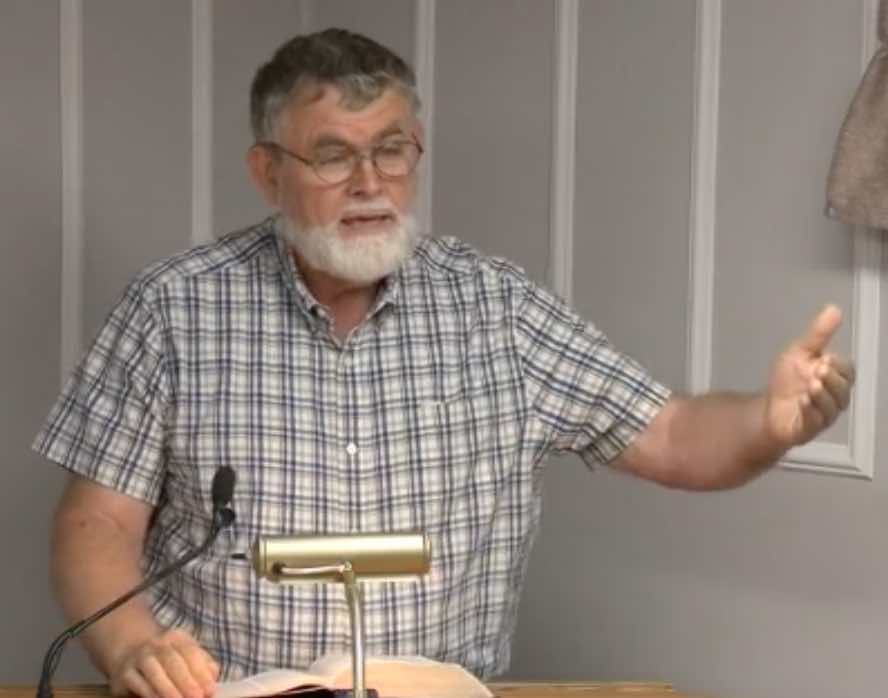
The sermon titled "Who is the Evil Man?" by Mike McInnis delves into the nature of humanity's depravity as depicted in Psalm 140, emphasizing the doctrine of total depravity from a Reformed perspective. The key argument asserts that the true enemy lies not outside oneself but within, illustrating the internal struggle against sin and evil that every believer faces. McInnis references Psalm 140 to highlight the prayer for deliverance from the "evil man," whom he identifies as our own sinful nature, and underscores the necessity of God’s grace in preserving believers. This exploration of human nature drives home the theological significance that, without God's sovereign grace, none would endure in faith, and ultimately, it reaffirms the comfort in Christ's intercession and the assurance of believers' perseverance unto salvation.
Key Quotes
“The most evil man you'll ever meet looks at you every morning in the mirror.”
“When the Lord sets his love upon a man and he causes man to love him in spirit and truth, he will preserve that man unto the end.”
“The faith of God's people is a very present help in a time of trouble.”
“May the Lord give us such a mind. I know that the Lord will maintain the cause of the afflicted and the right of the poor.”
Psalm 140 describes the evil man as one who plots mischief and demonstrates violent tendencies.
In Psalm 140, the evil man is depicted as continuously imagining mischief and being violent. The psalmist cries out to God for deliverance from such a man, illustrating a deep awareness of human depravity and the inherent sinfulness that resides in the human heart. David understands that the greatest battles are not merely against external adversaries, but against the sin that dwells within, affirming that the evilest man he knows looks back at him from the mirror. In recognizing this, he seeks God's preservation from the wickedness that he knows is not solely outside of him but also within.
Psalm 140
God's grace is sovereign as it is solely His decision to bestow mercy on whom He wills, independent of human effort.
The sovereignty of God's grace is grounded in the understanding that it is entirely His choice to dispense mercy. In the sermon, it is emphasized that when the Lord sets His love upon an individual, that person cannot escape His grasp, underscoring the idea that grace is not earned but freely given. This aligns with the doctrine of unconditional election, where God chooses certain individuals for salvation based on His will and purpose alone, not in response to any foreseen merit or action on their part. This radical grace assures believers that their standing before God does not rely on their performance but solely on God's sovereign initiative.
Romans 9:15-16, Ephesians 1:4-5
Perseverance in faith is vital as it reflects God's sustaining grace, ensuring believers are upheld until the end.
For Christians, the importance of perseverance stems from the belief that it is God's grace that keeps them from falling away. The sermon illustrates that no believer possesses the strength to maintain their faith independently; rather, it is God who preserves His people. The assurance that God will maintain the cause of the afflicted affirms that true believers will endure despite trials and failures because their salvation rests upon Christ's faithfulness, not their own. Such perseverance provides comfort and confidence, as it rests in the promise that God will not abandon those He loves, ultimately leading to eternal security in His presence.
Philippians 1:6, Romans 8:38-39
Being delivered from the evil man involves protection from and freedom from the sin that originates within one's own heart.
To be delivered from the evil man means more than just facing external threats; it encompasses a profound understanding of the sin that resides within oneself. As the preacher notes, the cry for deliverance reflects an awareness that the greatest struggle is not simply against the wickedness of others but against our own sinful nature. This prayer for deliverance aligns with the believer's desire to be freed from not only external evils but also from the internal evil that compels us towards sin. Such deliverance ultimately finds fulfillment in Christ, who, through His redemptive work, provides the only means for true freedom from the bonds of sin.
Psalm 140:1-3, Romans 7:24-25
Comments
Your comment has been submitted and is awaiting moderation. Once approved, it will appear on this page.
Be the first to comment!
