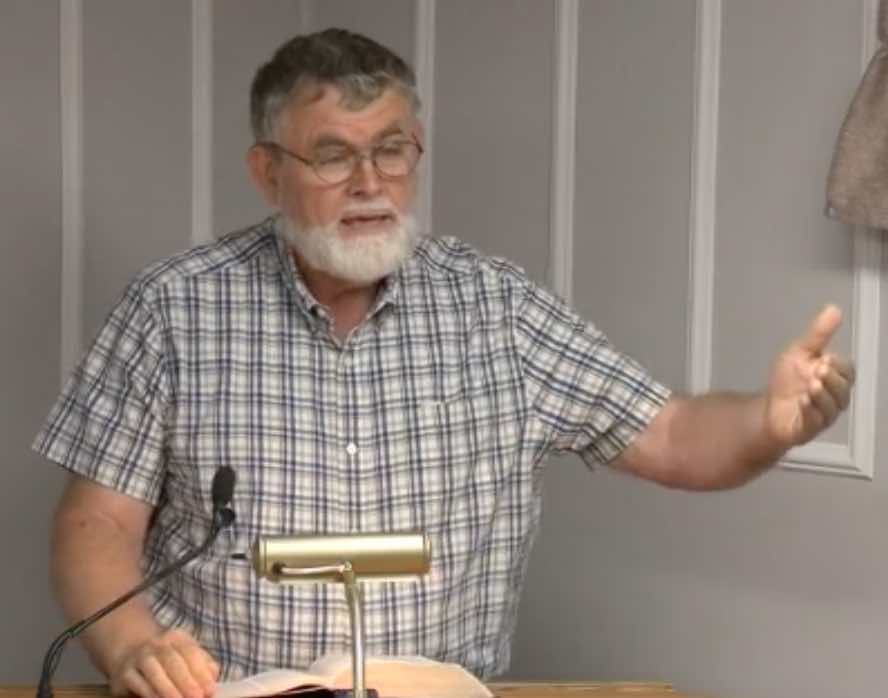
In the sermon "Evening and Morning," Mike McInnis explores the theological significance of the different concepts of a day as outlined in Scripture, specifically noting that God describes the first day as “the evening and the morning.” McInnis argues that God's order contrasts starkly with human understanding and emphasizes that many misunderstand God’s grace by believing that their efforts and offerings can earn divine favor. He points to several Scripture references, such as John 8:12 (“I am the light of the world”) and Hebrews 7:19 (“the law made nothing perfect”), to illustrate how God transitions His people from the darkness of the law to the light of the gospel. The practical significance of this message lies in the reminder that true worship exists independently of human innovation and that believers are called to live in the freedom and light of Christ, who dispels darkness and overcomes the bondage of the law.
Key Quotes
“The way of man is usually at odds with the way of God.”
“God owns the cattle on a thousand hills, and all the treasures of the earth are His, so we can be certain He does not need anything which a man can bring before Him.”
“The blessing which God intends for His people shall increase.”
“If the sun therefore shall make you free, ye shall be free indeed.”
The Bible describes a day as consisting of evening and morning, emphasizing God's order in creation.
In the biblical narrative, God defines a day as 'the evening and the morning,' highlighting the divine order and purpose in creation. This description teaches us that God's work brings light out of darkness, reflecting His sovereignty over time and space. It instructs us that true understanding comes from recognizing that God is the creator who established the very concept of a day, which is contrary to human intuition that often prioritizes the morning over the evening. This framework invites believers to appreciate how God's creative power operates in the lives of His people, transforming darkness into light.
Genesis 1:5
The Bible teaches that God's strength is made perfect when we acknowledge our weaknesses, demonstrating His grace.
The notion that God's strength is perfected in our weakness is supported by Scripture, particularly in 2 Corinthians 12:9, where Paul reflects on his struggles and how God’s grace sustains him. This truth reveals the paradox of Christian strength: it is not through self-sufficiency or human effort that we achieve favor with God, but rather through recognizing our reliance on His grace. The Lord uses our weaknesses to showcase His power, thereby illustrating that the glory belongs solely to Him. This encourages believers to rely on God actively, understanding that our failures and limitations can serve as the backdrop for His mighty acts.
2 Corinthians 12:9
Understanding grace is essential for Christians as it emphasizes God's unmerited favor and the basis for our salvation.
Grace is the cornerstone of the Christian faith, representing God’s unmerited favor toward sinners. It is through grace that we are saved, as articulated in Ephesians 2:8-9, where Paul emphasizes that salvation is not a result of our works but a gift from God. This understanding frees believers from the bondage of legalism and performance-based acceptance while reassuring us of our secure standing before God. Recognizing grace ensures that we approach God not with fear of failure, but with confidence in Christ’s finished work, leading us to live lives that magnify His love, mercy, and transforming power. Furthermore, it empowers us to extend grace to others, fostering a community built on forgiveness and humility.
Ephesians 2:8-9
The new covenant teaches that grace through faith surpasses the law, fulfilling its purpose and freeing believers.
The new covenant is a profound shift in God's redemptive plan, presenting grace as the fulfillment of the law's original purpose. Hebrews 7:19 indicates that the law made nothing perfect, but through Christ, we receive a better hope that draws us near to God. The law served as a schoolmaster, revealing our sinfulness and inability to achieve righteousness on our own (Galatians 3:24). With the arrival of the new covenant, believers are liberated from the strictures of the law, enabling us to grow in our relationship with God through faith. This does not nullify the law's significance, but rather fulfills it, as believers now navigate their Christian lives not through a checklist of rules, but through reliance on the grace provided by Christ.
Hebrews 7:19, Galatians 3:24
Worshiping in spirit and truth is essential as it aligns believers with God's intentions for genuine communion.
Worshiping in spirit and truth, as Jesus mentions in John 4:24, underscores the necessity of authenticity in our connection with God. This form of worship moves beyond external rituals and performances, focusing instead on a heartfelt engagement with our Creator. The Father seeks those who worship Him in this manner, indicating that true worship is intrinsically tied to our relationship with Him rather than mere tradition or cultural expressions. In a time when many equate worship with entertainment and physical enhancements, the essence of worship remains rooted in the sincerity of our hearts and an understanding of biblical truth. Such worship cultivates spiritual growth and deeper communion with God, making it vital for every believer.
John 4:24

Comments
Your comment has been submitted and is awaiting moderation. Once approved, it will appear on this page.
Be the first to comment!