Bootstrap
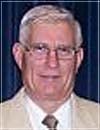
Mark Pannell

The Blind React and the Seeing Respond

John 9:8-12
Mark Pannell • May, 11 2008 • Audio
0 Comments
John 9:8The neighbours therefore, and they which before had seen him that he was blind, said, Is not this he that sat and begged? 9Some said, This is he: others said, He is like him: but he said, I am he. 10Therefore said they unto him, How were thine eyes opened? 11He answered and said, A man that is called Jesus made clay, and anointed mine eyes, and said unto me, Go to the pool of Siloam, and wash: and I went and washed, and I received sight. 12Then said they unto him, Where is he? He said, I know not.

Sermon Transcript

Auto-generated transcript • May contain errors

100%
Most of you who come regularly
know I've been preaching a series of messages out of John chapter
9, and this chapter is about a discourse, and it's about a
man delivered from physical blindness. He was born blind, but it's a
picture and type of one of God's elect who were born into this
world, all of us born spiritually blind, not knowing God, not worshiping
God, but yet In time, each one of God's elect, just like this
man was delivered from his physical blindness, each one of God's
elect will, in time, be delivered from our spiritual blindness
and brought to spiritual sight. So that's what we've been looking
at here, and we're going to continue that study down through here
today. I entitled this message, The
Blind React and the Seeing Respond. We're going to look at several
verses here on that in just a moment. But I want to start today's message
here with a question. Here's the question. Is your
salvation, is the salvation that you are resting in right now,
the one you're finding confidence and comfort in before God, is
your salvation a miracle of God's grace? Is that what it is? Or is it a response to God's
so-called offer of salvation? Now, it's one or the other. Everybody
residing in this world today is resting in one or the other
of those two salvations. Of course, one of them is no
salvation. We know that. There's an ongoing
debate in the world in every generation concerning who is
justified, who is saved, who is headed for heaven, who has
been delivered from God's wrath. There's an ongoing debate in
every generation. And of course, if it's a debate,
there are two sides to the story. There are two sides to the question.
The first one would go something like this. The first is those
who promote free will religion. And then there's those who promote
that salvation which is a sovereign act of God for those He's chosen
and Christ is redeemed alone. Those are the two sides in the
debate. The first, the debaters of free will religion, their
debate goes something like this. We're born with a free will. They preach that man has a free
will. We're all born with the ability
to choose salvation. We can will ourselves out of
lostness. We're all born lost, they would
say, but we can will ourselves out of that lostness and into
salvation. Thus, this is the popular message
in every generation. Won't you let God? Won't you accept Jesus as your
personal Savior? Won't you become the person God
wants you to be? Won't you get serious about religion?
Won't you? And you fill in the blank. Won't
you do whatever the preacher standing before you tells you
is the requirement for you to be accepted of God? They say
you can if you will. Won't you? The emphasis of such
preaching is on the will of men. If you will, they say, God will. If you will, God will respond
with salvation. Under this theology, a sinner
is out of God's favor. That is, he's under the wrath
of God until the sinner himself responds to God's so-called offer
of salvation. They preach a crucified Savior.
They preach a Savior who died for the sins of sinners. And
they preach a risen Savior. They preach a Savior whose work
God accepted. And yet they preach that the
sinners Christ lived and died for are still facing the eternal
wrath of God unless and until they respond to what God has
done in Christ. Now that's the popular message
of our day. You know it as well as I do. They use Mark chapter
16 and verse 15 where Christ told His disciples to go into
all the world and preach the gospel to every creature. He
said, whoever believes the gospel and is baptized shall be saved,
and whoever believes it not shall be damned. And the preachers
in this world's religion, they present this passage and many
others as an offer from God to whoever wants it. Heaven or hell,
it's up to you. You're headed for hell unless
And until you do something with which God has done. Now whether
these preachers know it or not, the salvation that they are proposing
is ultimately and totally in the hands of sinners. And it
denies the effectual nature of Christ's death for every sinner
he lived and died for. They preach that Christ might
have died for you, but that death is ineffectual to you personally
unless you respond to that death. unless you walk that aisle, take
that preacher's hand, pray that prayer, confess you're a sinner.
You've got to do something under that theology. In every generation,
those of this persuasion are by far the majority. I mean,
just about every religious gathering this morning, not only in this
town, but around this country, are preaching such a so-called
salvation. Then there's the other side of
this debate, the sovereign salvation of God, which says this, God
chose a people. He chose them in Christ unto
salvation. He gave those sinners to Christ. He appointed Christ to be their
representative, to be their substitute, to be their surety. He sent Christ
into this world. He gave His only begotten Son.
Sent Him into this world to work out all the details of their
salvation, to accomplish everything necessary for them to be saved.
And every one of those sinners, not one of them can perish because
Christ has come in time. He lived under the law. He obeyed
that law in every jot and tittle. He went to that cross and laid
down a perfect sinless life. He offered himself a sacrifice
to God. And in that, in all that work,
he worked out the righteousness of God. He worked out the righteousness
that God has accepted and reckoned to the account of every one of
his elect. And by that righteousness, as
Winston prayed in his prayer, it is by that righteousness that
sinners And by that righteousness alone, that righteousness reckoned,
imputed by God to the account of a sinner, it is by that righteousness
that any sinner in any generation stands just in God's sight, and
in no other way and on no other basis but the imputed righteousness
of the Lord Jesus Christ. So those are the two elements
in this ongoing debate. It's always ongoing, no matter
what generation you find yourself in. We find ourselves, of course,
in one particular generation. But it's been going on since
Cain and Abel, and it will be going on until the last of God's
elect is brought is delivered from spiritual darkness and brought
to the spiritual light of God's grace in Christ. Now just as
there are in every generation, just as this debate is going
on in every generation, there are in every generation two categories
of sinners. They're the ones who carry on
this debate. For today's lesson, these categories are the spiritually
blind, those that are in darkness, those who don't know a just God
and Savior, the spiritually blind, and those who have been delivered
from spiritual blindness and have been given spiritual sight,
those who have been given eyes to see, those who have been given
eyes that can behold the glory of God in the face of Jesus Christ. Now, we've already identified,
I've already identified both parties here, but I want you
to... Be sure we understand how each one is identified in this
passage of Scripture here. Who are the blind and who are
those seeing? You remember, if you look back
over at verse number 30, the first message I preached on this
discourse, Jesus said, I came into this world for judgment.
I came to bear the judgment of my people. And I came in order
that those which see not, That would be His elect. It's really
all men, but it's His elect born in each generation, those who
see not, that they would see, and that those which see might
be made blind. So, the place in 1 Corinthians
there, you might turn back over there. I'm going to refer to
a couple of things in that passage that I talked about. We take
our definition from whatever we want to talk about. We always
try to take our definition from this Word because It doesn't
do me any good to stand up here and tell you that this is what
spiritual blindness is, unless I'm quoting you something out
of God's testimony. Is that what God says spiritual
blindness is? That's what I want you to understand.
Spiritual blindness is what we see here in 1 Corinthians 2,
verses 9-13, which I read to you in the opening here. It's
all of us by nature. If you look at verse 14, it says,
That natural man does not receive the things of the Spirit of God,
for they are foolishness to him, neither can he know them, because
they are spiritually discerned. It takes the Spirit of God entering
into the heart of man. under the preaching of the gospel,
showing him the things of Christ, showing him a salvation conditioned
entirely on the doing and dying of the Lord Jesus Christ before
a sinner is brought from spiritual darkness to spiritual blindness
to spiritual sight. Spiritual blindness is this.
It's not knowing those things freely given to sinners by God.
What are those things freely given to sinners by God? Well,
it's all of salvation, conditioned on Christ alone. Those are the
things freely given to sinners by God. Spiritual blindness is
not knowing, not valuing what God Himself has done through
the person and work of Christ to deliver sinners out of His
wrath and put them in His eternal favor. You see, there's not a
sinner ever born into this world who does not deserve to be under
God's eternal wrath. Not one of us. deserves not to
be under God's wrath. But it says in Scriptures, I
think it's 1-2 Thessalonians 5-19, we're not appointed. Some
are not appointed unto wrath, but to obtain salvation through
our Lord Jesus Christ. Failure to know what Christ accomplished
in His life and death for every sinner He lived and died for
is spiritual blindness. Failure to know that Christ's
death alone His work, His doing, His dying, His obedience, His
sacrifice, His death alone delivered every sinner of God's choosing
out of God's wrath and into God's eternal, unchangeable favor. And failure to know that, failure
to understand that, failure to value the work of Christ to do
that is spiritual blindness. Spiritual blindness is not knowing
whether salvation is the product of God's free and sovereign mercy
and grace in Christ, or whether it is the response of man's free
will to God's so-called offer of salvation. Not knowing the
difference, not knowing how God saves, whether it's sovereignly
through Christ alone, or through you, the sinner, responding to
His free will, that's spiritual blindness. Now this is how the
spiritually blind are identified. They are the one side of this
ongoing debate and the one side of this one category of sinners
that we're looking at. On the other hand, those delivered
from spiritual blindness and given spiritual sight are those
that are seeing. They're the ones who have eyes
to see, given by God. They're those who have a newfound
value for Christ's work as all of their salvation. Not looking
within. Not looking at what I've done.
Not looking even at what God has enabled me to do. Not even
looking at my believing or my repentance or any other thing,
but looking to the work of Christ alone, His righteousness imputed
as all of salvation. They see, these that have been
made to see, they see that the only way God can be just and
declare them righteous is by the imputed righteousness of
Christ alone. And they repent of ever thinking
otherwise. They repent of ever thinking
that I might have made some contribution to my salvation. That my response
to God's so-called offer had any part in my acceptance with
God. They well know that their salvation
is the product of God's sovereign mercy in Christ, and is in no
way the product of their wills. If you remember a lesson I brought
back here from, this is the reason for spiritual blindness that
we find right here in verse 3. The disciples asked Jesus, who
sinned, this man or his parents, that he should be born blind?
And Jesus answered, neither hath this man sinned nor his parents,
but that the works of God should be made manifest in him. And
that is the reason why God's elect are born in spiritual blindness,
so that when He delivers them, through the Spirit of God, under
the preaching of the Gospel, when He gives them eyes to see,
to behold, and to lay hold of the work of Christ alone as all
of salvation, He'll be glorified in their hearts. He'll be glorified
in that deliverance. He'll be glorified in that work. They see that the only way God
can be just and justifier is based on the imputed righteousness
of God alone. Now, when those who were spiritually
blind, we're going to get to our lesson here now, I've just
given you a little introduction here, but we'll get down to the
brass tacks here now. When those who were spiritually
blind, we're all born spiritually blind, when those who were spiritually
blind come seeing, They've been given sight. They've been given
the sight of something that those all around them, family, friends,
loved ones, those they used to worship with, they see things
that those sinners don't see. They've been given eyes to see.
And when they come seeing the blind, that is those still spiritually
blind, those still in spiritual darkness, those who still think
they're making some contribution toward their salvation, blind, when the seeing come to those that are blind,
they come seeing. Those that can't see, they react
to these sinners. And when the blind react to them,
the seeing respond. That's what our lesson is going
to be about. That's why I entitled it. The blind react. and to see and respond. This
is where we left off last time, so let's read these first 12
verses here of John chapter 9 to get us back in the context here
of what Christ is talking about. The Pharisees of Christ's day
and the Jews that he had offended by his doctrine would have stoned
him. They would have killed him right
here in verse 8. But Jesus passed by them, going through the midst
of them, he passed by. And as Jesus passed by, verse
1 of chapter 9, he saw a man which was blind from his birth.
And his disciples asked him, saying, Master, who did sin,
this man or his parents, that he was born blind? Jesus answered,
Neither hath this man sin, nor his parents, but that the works
of God should be made manifest in him. I must work the works
of God that sent me, while it is day. The night cometh when
no man can work. As long as I am in the world,
I am the light of the world. When he had thus spoken, he spat
on the ground, and made clay of the spittle, and he anointed
the eyes of the blind man with the clay, and said unto him,
Go wash in the pool of Siloam, which is by interpretation sent.
He went his way therefore, and washed, and came seeing. The
neighbors therefore, and they which before had seen him, that
had been blind, said, Is not this he that sat and begged?
Some said, This is he. Others said, He is like him.
But he said, I am he. Therefore said they unto him,
How were thine eyes opened? He answered and said, A man that
is called Jesus made clay, and anointed mine eyes, and said
unto me, Go to the pool of Siloam, and wash. And I went, and washed,
and I received sight. Then said they unto him, Where
is he? He said, I know not." We see here it says in verse
7, that man who had been blind came seeing. He received his
sight. When the man who had been blind
came seeing, here's what he was witnessing. He came witnessing
himself to be a miracle of God's mercy. Now, we don't have to
stretch our imagination any at all to understand that a man
born in a state of physical blindness, you can imagine what it would
be not to have sight, not to be able to see the beauty of
this world, not to be able to see your friends and family,
It would be a terrible thing to be born. So we don't have
a hard time understanding it would be an act of God's mercy.
It was an act of Christ's mercy here to deliver this man and
give him physical sight. So he came witnessing himself
to be a miracle of God's mercy. And when he came witnessing himself
to be a miracle of God, the blind, That is, those still in spiritual
blindness, they reacted. Now how did they react? Let's
look back here at verses 8 and 9. It said, The neighbors therefore,
and they which had seen him that had been blind, said, Is not
this he that sat and begged? Some said, This is he. Others
said, He's like him. That's not him. He looks like
him, but it's not him. But he said, I am He. Literally, He said, I am that
one. I am that one who is blind. I am that one who sat by the
roadside begging. So, those not seeing reacted to this man. How
did they react? Well, they reacted with confusion.
They reacted with debate. Some of them said, yeah, this
is him, that's the guy, that's the man that sat by the roadside
begging. I said, no, no, no, no. You got him confused. That's
not him. It just looks like him. It can't be him. That guy was
blind. He's blind from birth. He couldn't
be seeing now. That's not possible. So they
reacted with confusion and debate. Their confusion and debate as
to whether this man is the one who has experienced a miracle
from God is typical of the ongoing debate concerning which sinners
in this world have experienced that salvation which is a miracle
of God. Remember, I ask you, is your
salvation a miracle of God, or is it a response from an offer
that you think God has made? It's one or the other. Well,
this reaction of these sinners left in their blindness is typical
of the world Seeing those of us who have been delivered from
spiritual blindness and given a sight they don't have, they
wonder, is that a miracle? Is that how God's miracle is
made known? It's the ongoing debate I've
already discussed. In other words, they debated
whether or not this man... They did literally debate whether
or not this man was the one who'd been given sight. Like I said,
some of them said, I know this is him. I know that man. I dropped
money in his cup. I took him food. I know him.
I know this is him. Others said, no, I don't know.
So they did literally debate whether or not this was that
man that had been given sight. We've got to understand the higher
teaching here. They are typifying something
of a spiritual nature. They are typifying those of this
world's religion in every generation who debate who God has given,
not physical sight to, but spiritual sight to. Who in this world has
spiritual sight, is what I'm saying. That debate goes on.
Bottom line, who in the world has God given spiritual sight
to? Now, the blind, those left in spiritual darkness, those
who haven't been delivered into spiritual sight, they don't know
who God has given spiritual sight to. Only those seeing, only those
who've been delivered know who God's given spiritual sight to.
Now, the blind, they don't know they're blind, first of all.
It'll be revealed that they're blind, but it's revealed to us
who've been given sight. They think they see, but they
don't know who's been given spiritual sight. The blind are those in
religion who are confused on this issue. Who sees and who
doesn't see, spiritually speaking. Some of the blind say God gives
sight to those who do one thing. Those that are blind say, well,
God's given sight to those who do this, who worship on Saturday,
or who dedicate themselves, who reform their lives, who get serious
about religion. Some of those that are still
blind say, those are the ones God has given sight to. And others
of the blind say, no, it's not those, it's not any of those,
it's those who do another thing, this thing. That's why there
are so many religious organizations. You can just look around this
one town, little town we live in here. And this is just one
little town in the large country of America. multiply that by
the many over the whole world. This is why there are so many
religious organizations in this town and so many other towns.
At the last count, I believe there were some 2,600 different
religious organizations recorded wherever they record such things
as that. The world's religion is just one blind man debating,
one blind man in confusion, and debating with another blind man
about which sinners God saves and how He saves them. Now Christ
described those of His generation back in Matthew chapter 15. Look
back there with me to this description of just such sinners in Christ's
day that He spoke of here, or spoke to. Matthew 15 and verse
7. Christ said, you hypocrites. He didn't miss words, did he?
Well did Isaiah prophesy of you, saying, This people draweth nigh
unto me with their mouth, and honoureth me with their lips,
but their heart is far from me. But in vain do they worship me,
teaching for doctrines the commandments of men. He's talking about the
preachers in every generation who stand before audiences of
men and women and tell them, if you'll just meet this one
condition, God will save you. He's talking about the same thing
in this generation as He was back in His own generation. Verse
10, And He called the multitude and said unto them, Hear and
understand, not that which goeth into the mouth defileth a man,
but that which cometh out of the mouth, this defileth a man.
Then came his disciples and said unto him, Knowest thou that the
Pharisees were offended after they heard this saying? But Jesus
answered and said, Every plant which my heavenly Father hath
not planted shall be rooted up. Let them alone. They be blind
leaders of the blind. And if the blind lead the blind,
both shall fall into the ditch. So Christ is describing the same
ones I'm telling you about in his generation. The seeing are
those in each generation that God delivers from such blind
leadership and influence. The seeing are those who come
witnessing themselves to be the products of God's miraculous
salvation. That salvation worked out entirely
in the doing and the dying of the Lord Jesus Christ without
any contribution whatsoever from them. I didn't have to do anything
to enter into or to appropriate God's salvation. God worked out
the salvation of every one of His elect in Christ. And it's
already a done deal. We're given eyes to see that
salvation that Christ has worked out for everyone He lived and
died for. When the seeing come along in
each generation, claiming to be a miracle of God's salvation. In other words, claiming that
we're saved by the free and sovereign grace of Christ. He chose us.
He put us in Christ. Christ met all the conditions.
He saved us. We made no contribution. We stand
before Him in His imputed righteousness alone. And that's our plea. That's
our standing before God, that He has reckoned to us the righteousness
Christ worked out in His doing and in His dying. Now, when we
come along in each generation, claiming to be that miracle,
the blind react. How do they react? With confusion
and debate. That's all they can do. Religiously
speaking, that's the totality of their conduct in this world.
Some of the blind say the seeing are saved. Some would say, certainly
saved. I know you guys are saved. I
know you. I know you live a good life. I know you're saved. I
count you saved. Some would say that. Others say,
no, they lack something. There's something lacking in
them. There's something missing in them. And you hear this from
one and this from another. When those who are the products
of God's free and sovereign grace in Christ, when the seeing come,
the blind of this world react. They react with confusion. They
react with debate. And when the blind react, the
seeing respond. The seeing respond with truth
and they respond with simplicity. Look back at verse 9. Look at
the end of it. They said, Some of them said,
this is he. Others said, no, no, that's not
him. But he said, I am the one. I am the one who was born blind,
he said. Now this is the one given spiritual
sight's response to their reaction to the gospel. Those given sight say, I'm the
one who was born blind. I'm the one who sat and begged.
I'm the one who was spiritually bankrupt. That's how I came into
this world. I'm the one who thought I had
done all that was necessary for God to accept me. I'm the one.
I'm the one who did that. But I'm the one who didn't know
any of these things. I didn't know I was doing that
until God brought me to the gospel and gave me eyes to see. It's
the response, the testimony of the seeing that gives evidence
that they are They are a miracle of God. That their salvation
is a miracle of God. It's not the product of them
meeting a condition or accepting a free will offer from God. It's
not that. It's God's miracle. It truly
is. It's the response of the seeing
that gives evidence that they are the product of God's salvation
and not that so-called salvation promoted by this world's religion
in every generation. Those yet blind are those who
claim to be saved by their response to God's so-called offer of salvation. They know nothing of being delivered
from spiritual blindness. Who does God justify? Who does
God declare righteous? That's what justification is.
It's God declaring a sinner to be righteous on the basis of
Christ's blood and imputed righteousness alone. God justifies the ungodly. He justifies those who by nature
do not know Him. He justifies those who by nature
do not worship Him. He justifies those who by nature
will not come to Him. Look back at John chapter 6 and
verse 44. Christ said here, No man can
come to Me. That word can means no man by
nature has the ability to come to me. No man can come except
the Father which hath sent me draw him, and I will raise him
up at the last day. How does the Father draw him?
Look on to verse 45. It is written in the prophets,
and they shall be all taught of God. Every man therefore that
hath heard and hath learned of the Father cometh unto me. How does the Father draw him?
He draws him through the Gospel. He draws him through the Gospel
that declares the sovereignty of God in saving sinners based
on the imputed righteousness of Christ alone. That's how sinners
are drawn to Christ by God. Okay, let me see where I was
right here. How can we know? Okay, I ask you this question.
Who does God justify? Well, He justifies those who
by nature don't know Him, those who by nature don't worship Him,
those who by nature are worshiping a God of their imagination when
God teaches us of Christ in the Gospel. So then how can we know
who has been justified? How can we know that? How can
we know who God is declaring righteous based on the imputed
righteousness of Christ alone? We know by a sinner's deliverance
from the spiritual blindness every sinner is born in. In other
words, their deliverance, a sinner's deliverance from spiritual blindness
gives evidence of their justification. It has no part in the basis of
that justification. It's not at that time that God
justifies. It is the evidence alone. His deliverance is evidence.
The first issue in God's salvation is this. Salvation is a merciful
and gracious act of a sovereign God upon those He chose, not
those who choose Him. but those He chose. It is not
the response of sinners to what God has offered. Therefore, the
first element in the testimony of those given spiritual sight,
what's the first element? I'm He. I'm that One. I'm that
blind man who sat by the road. Spiritually speaking, I was a
beggar. I was a blind man. I knew nothing
of God. That's my testimony. That's what
I tell you. That's what every sinner who's
been regenerated by the Spirit of God would tell you. I am that
one. That's the one. I'm the one God mercifully and
graciously delivered from spiritual blindness and gave spiritual
sight to. And I was blind until He did.
Have you been delivered from spiritual blindness? Or do you
claim to have never been blind? See, those who think salvation
is by a free will offer, they don't know anything about spiritual
blindness. They think they've met that condition. And as long
as you think Long as any sinner in this world thinks he's met
a condition, and by that condition he finds acceptance with God,
any part of his acceptance with God, he doesn't need a Savior
who worked out all of salvation for all of those that he lived
and died for. The second element in the testimony of those given
spiritual sight is this, God did it. God declares me righteous
on the basis of Christ's blood and imputed righteousness alone.
I am saved by what Christ has done exclusively. I made no contribution
to that salvation. I made no contribution to appropriate
that work to me. It's based upon Christ's finished
work, His righteousness reckoned to me, and that alone. I am the
recipient of God's sovereign mercy in Christ, not to any degree
by the response of my will. Look at verse 10. Therefore said
they unto him, How were thine eyes opened?" It says, therefore.
Now, you see a therefore, you've got to remember what just preceded
it, because that's what he's talking about. It's on the basis
of whatever he just said that they did this. Because this man
came witnessing God's mercy, he who had been blind came seeing. It's on that basis. That's why
they ask him this question. How were thine eyes opened? Now
this would be equivalent to a sinner who claims to have been given
spiritual sight being asked this question. You say you were born
blind? How is it that you now see? What
delivered you from the spiritual blindness you were born in? And
a sinner's response to that question, I told you there are two categories
of sinners in this world in every generation. A sinner's response
to that question identifies which category of sinners they are
in. There in one or the other, those yet blind, those who don't
see how God is just to justify an ungodly sinner like you and
me, based on the imputed righteousness of Christ alone, those who are
blind, or those who have been delivered from that blindness
and see with eyes given to us by God. Look at verse 11. This
man answered and said, A man that is called Jesus made clay,
and anointed mine eyes, and said unto me, Go to the pool of Siloam,
and wash. And I went, and washed, and I
received sight." Now, I like the way he starts this out. He
doesn't start it out with, well, I was saved, my eyes were opened
when I, you know, I got serious. I just decided, no, he didn't
start it out with I, did he? He said, a man named Jesus. That's a good way to start out
a testimony, by the way. That's the way we start our testimony.
This is indicative of a sinner whom the Spirit of God has brought
to Christ. He's been brought to the one sin of God. And the
Spirit of God has washed the clay. You remember what I said
that clay was last time? That clay is everything and anything
that keeps us from finding our rest and all of our salvation
based on the work of Christ alone. Based on His imputed righteousness
alone. And that has to be washed away. Because I can't see as
long as that clay is over my eyes. But this is indicative
of the Spirit of God washing the clay from the eyes of one
of God's elect. And how does He wash that clay
away? by the declaration of the Lord Jesus Christ, by the declaration
of Christ crucified in the Gospel, by the declaration of the One
who saved His people. He delivered them from the penalty
of sin by His death on the cross, by His obedience unto death alone,
and who in time, the Spirit comes, and by the declaration of Him,
of His person and His work. That's how a sinner's eyes are
opened. That's how that clay is washed
away. That's how a sinner is brought to rest in this One whom
God has sent. The same Jesus who saved His
people from their sins by His death on the cross is the same
One the Spirit of God uses under the Gospel to open the eyes of
His sheep. Look at verse 12. They said unto
Him, Where is He? Where is this One who made this
clay and told you to go wash. Where is the one who gave you
this site? He said, I know not. John 3 and
verse 8 says, The wind blows where it wishes. You hear the
sound of it, but you cannot tell where it comes from and where
it goes. So is everyone who is born of
the Spirit. We don't know where Christ is,
but I tell you what we do know. We know where He's been. He's
been where sinners have been delivered from thinking that
they had something to do with their salvation, to that salvation
that's conditioned entirely on the doing and dying of the Lord
Jesus Christ alone. That's where He's been. He's
been to that sinner. He's visited him with life. He's
given him faith to rest and find all of his hope in Christ, in
Christ alone. In closing, I urge you to find
your salvation, not in a God who's offering. Not in a Christ
who made salvation a mere possibility if you just reach out your hand
to Him. That's not the Christ of this Word. That's not the
God of this Word. But rather, find your salvation
in the God who has saved every sinner of His choosing in the
body and soul of the Son He sent. And I would pray that God would
enable each one of you to find your salvation right there.

Comments

0 / 2000 characters
Comments are moderated before appearing.

Be the first to comment!

Joshua

Joshua

Shall we play a game? Ask me about articles, sermons, or theology from our library. I can also help you navigate the site.

0:00 0:00