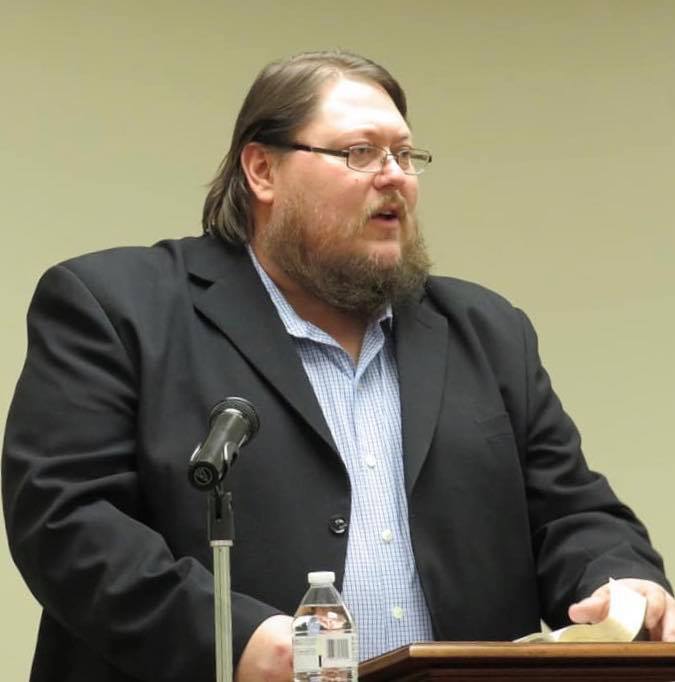
In the sermon "Freewill Is A Myth," Mikal Smith addresses the theological doctrine of divine sovereignty versus human free will, rejecting the notion that humans possess free will in matters of salvation. The key points made include a critique of the belief that man's autonomy influences his relationship with God, emphasizing that true sovereignty belongs solely to Christ as the "only potentate" (1 Timothy 6:15). Smith supports his arguments by referencing various Scriptures, primarily highlighting God's control over human will as seen in examples from Jonah, Pharaoh, and Nebuchadnezzar. The practical significance of this doctrine signifies that salvation is entirely God's work, challenging common evangelical beliefs about human decision-making and underscoring the comfort and security found in God's absolute sovereignty.
Key Quotes
“We believe what the Bible teaches and we formulate our beliefs around what the Scripture teaches.”
“If free will is not true, then everything that they're preaching... comes to a grinding halt.”
“True free will means sovereign will... The story of free will is the sovereign God.”
“Thy people shall be willing in the day of thy power.”
The Bible teaches that free will is a myth and that God is the only sovereign with ultimate control over all things.
According to Scripture, the notion of free will in the context of salvation is a misunderstanding of God's sovereignty. The Bible asserts that God has ordained all things according to His own counsel and will, which means that true freedom of will cannot exist outside of His sovereignty. Passages like Proverbs 21:1 highlight how God directs the hearts of kings, illustrating His control over all human decision-making. The belief in free will undermines the essence of God's power and sovereignty, suggesting that man can independently set his own course apart from divine influence.
Proverbs 21:1, Jeremiah 10:23, 1 Timothy 6:15
The sovereignty of God is affirmed throughout the Bible, showing that He governs all events and decisions.
The sovereignty of God is a recurring theme in Scripture, confirming that He is in control of all aspects of creation. For instance, in Isaiah 46:10, God declares that He brings to pass all His purposes and no one can stop Him. This authority extends over both spiritual and temporal realms, meaning that God's will ultimately shapes all reality. Furthermore, texts such as Psalm 135:6 reinforce that God does what He pleases, indicating His supreme power over all. The biblical evidence demonstrates that God alone is the potentate who orchestrates history and human actions according to His divine plan.
Isaiah 46:10, Psalm 135:6
Understanding God's sovereignty helps Christians trust in His control and purpose over all aspects of life.
A proper understanding of God's sovereignty is crucial for Christians because it allows them to rest in the assurance that God is always in control, working all things for His glory and the good of His people. This perspective encourages believers to trust in God's providential care during difficult times, knowing that nothing happens outside His decree. It also deepens their appreciation for grace, as it reveals that salvation is not dependent upon human actions but solely on God's mercy. Believers are called to submit to God's will with confidence and gratitude, understanding that He is the ultimate source of hope and peace in their lives.
Romans 8:28, 1 Timothy 6:15
Comments
Your comment has been submitted and is awaiting moderation. Once approved, it will appear on this page.
Be the first to comment!
