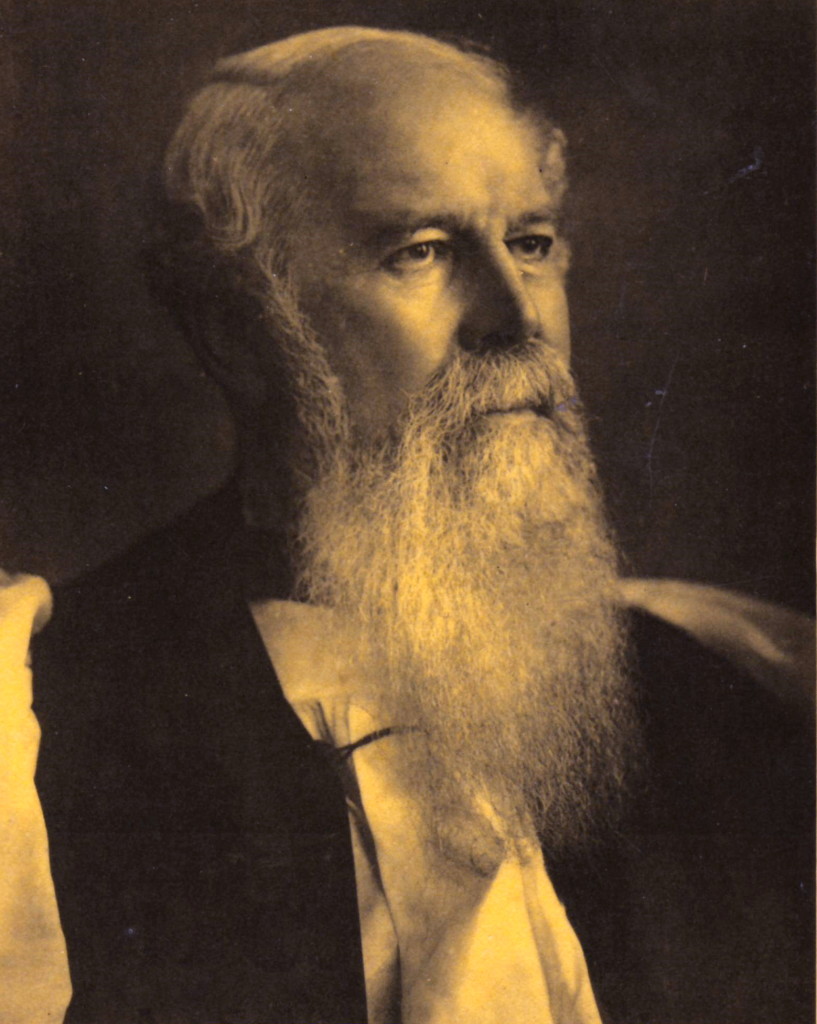
In his sermon titled "A Rich Man and a Beggar," J. C. Ryle addresses the theological topic of social inequality and its roots in sin, as illustrated through the parable of the rich man and Lazarus found in Luke 16:19-21. Ryle asserts that neither wealth nor poverty inherently equates to righteousness or wickedness, emphasizing that societal roles do not determine one's spiritual standing. He references 1 Timothy 6:7-10 to reinforce that the love of money, rather than money itself, leads to various evils, thereby warning against the extremes of class envy and the false belief that government or education alone can rectify the moral failings of humanity. The sermon highlights the necessity of addressing spiritual decay through the gospel while concurrently promoting charity and societal improvement, recognizing that true equality can only be achieved when Christ reigns over a renewed creation. This teaching holds significant practical implications for how Christians engage with socio-economic disparities in their communities.
Key Quotes
“The rich are not always evil men and do not always go to hell. The poor are not always holy men and do not always go to heaven.”
“Settle it in your mind that the main cause of all the suffering you see around you is sin.”
“Beware of expecting a millennium to be brought about by any method of government, by any system of education, or by any political party.”
“Sin must be first cast out of the world... before there ever can be universal happiness.”
The Bible describes wealth and poverty without condemning either, emphasizing that both rich and poor can be found in various spiritual conditions.
In the parable of the rich man and Lazarus, the Bible illustrates the lives of a wealthy man and a beggar, underscoring that the Scriptures do not praise poverty nor condemn wealth. Jesus describes their circumstances but refrains from drawing moral conclusions about their eternal fates. Thus, it is vital to recognize that not all wealthy individuals are evil, nor are all poor individuals inherently good. The disparity in worldly conditions is a reflection of the brokenness of our fallen world.
Luke 16:19-21
The Bible describes both the rich and the poor, highlighting that wealth does not equate to evil and vice versa.
In the Bible, particularly in the parable of the rich man and Lazarus found in Luke 16:19-21, Jesus portrays the realities of wealth and poverty without condemning or praising either condition. It is essential to understand that the rich are not always evil, nor are the poor always virtuous. The parable illustrates the social dynamics as they exist, affirming that God does not intend for all men to be equal in earthly circumstances. Instead, the focus should be on the moral and spiritual wellbeing of individuals, irrespective of their material wealth.
Luke 16:19-21
Inequality reflects the God's providential order, as evidenced by the varied circumstances and abilities among people.
The parable indicates that universal equality is unattainable in this fallen world due to inherent differences among people, such as wisdom, strength, and health. As J.C. Ryle points out, attempting to forcibly equalize conditions results in the same disparities re-emerging over time. These differences are not indicative of divine injustice; rather, they affirm the reality that God has created a world where inequality exists due to the effects of sin and the fall. It is through such acknowledgment that believers can understand the true nature of our existence under God's providence.
Luke 16:19-21
Understanding sin is crucial as it is the root cause of suffering and inequality in the world.
Sin is fundamentally the cause of all suffering and disparity observed in our world. According to J.C. Ryle's sermon, the differences between the rich and the poor stem from sin's influence on humanity. Both the luxury of the affluent and the struggles of the impoverished reveal the reality of a fallen world. Christians must recognize that genuine change and relief from suffering can only come from a spiritual renewal, where sin is addressed and the influence of sin is diminished. This awareness prompts believers to work toward improving the conditions of the poor while acknowledging the persistent reality of sin in the world.
1 Timothy 6:7-10
Recognizing sin as the source of suffering is crucial for understanding the need for redemption and the urgency of sharing the Gospel.
Understanding that sin is the root cause behind all suffering helps Christians to contextualize the social inequalities they observe, such as the luxurious living of some juxtaposed against the degradation of others. J.C. Ryle emphasizes that the solutions to these disparities lie not in earthly systems, but in the transformation of hearts through Christ. Without the recognition of sin, believers may seek misguided solutions, expecting political or educational reforms to achieve a moral utopia. The reality, however, is that real change comes only through the redeeming work of Jesus, highlighting the urgency for Christians to share this life-giving message with others.
1 Timothy 6:7-10, Luke 16:19-21
God's intention for inequality can be discerned through scripture, which emphasizes that not all men were meant to be equal.
The notion that humanity was created with varied conditions is supported by the observation that universal equality is unattainable due to the diverse gifts, circumstances, and challenges individuals face. J.C. Ryle expounds that biblical scripture does not imply a divine mandate for everyone to be equal, as differences are inherent in creation itself. Instead of striving for artificial equality, Christians are called to acknowledge these differences while working to uplift the conditions of the disadvantaged. This understanding encourages a compassionate approach to those in need without misunderstanding God's design for social structures.
Luke 16:19-21
Christians are called to assist the poor as an expression of love and compassion, while recognizing the fallen nature of the world.
Helping the poor is not merely a social obligation but a profound expression of Christian compassion and love. J.C. Ryle emphasizes that while believers should strive to alleviate the conditions of the poor, they must also understand the fallen nature of humanity and the world at large. Working to elevate the poor aligns with the principles of promoting knowledge, morality, and general wellbeing, though Christians must remain mindful that true transformation comes from addressing sin and the human condition through the gospel. This dual responsibility involves both social action and spiritual evangelism.
1 Timothy 6:7-10, Luke 16:19-21

Comments
Your comment has been submitted and is awaiting moderation. Once approved, it will appear on this page.
Be the first to comment!