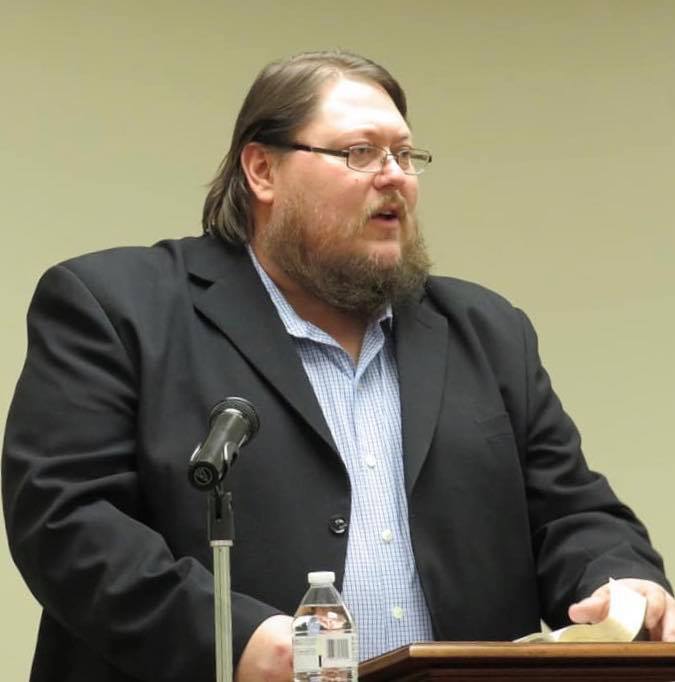
The sermon titled "Promises are Yea and Amen" by Mikal Smith focuses on the theological doctrine of the assurance of God's promises through Christ, as illustrated in 2 Corinthians 1:18-22. The preacher argues that God's words and promises are unequivocal—"yea and amen"—and are established through Christ, contrasting this with the ambiguous "yay and nay" false gospels that suggest conditional acceptance based on human action. Smith emphasizes that salvation, both legal and experiential, is fully and effectively accomplished by God without dependence on human effort, referencing authoritative overlaps with Ephesians 1. The significance lies in the assurance it provides believers, eliminating the burden of self-justification and enabling them to rest in God’s sovereignty and grace, affirming that it is God's Spirit who works in and through His people.
Key Quotes
“Everything that God has for us in the experiential part of our salvation is just as sure as in the legal part of our salvation.”
“If God doesn’t motivate us, if God doesn’t give us the will to do, if God doesn’t give us the doing aspect of it, then we are not going to do it.”
“All the promises of God in him are yay and in him, amen. It’s always yay and amen in Christ Jesus.”
“We are accepted in the Beloved. We are accepted on the basis of Christ Jesus and being in Christ Jesus.”
The Bible affirms that all the promises of God are 'yea' and 'amen' in Christ, signifying His faithfulness.
In 2 Corinthians 1:20, it is declared, 'For all the promises of God in him are yea and in him, Amen.' This emphasizes the certainty and reliability of God's promises through Jesus Christ. Unlike human commitments that can fluctuate, God's Word is unwavering. His promises encompass both the legal aspects of salvation and the experiential aspects we encounter in our lives. Hence, believers can rest assured that what God has promised, He will fulfill completely and perfectly, confirming our faith in His truth.
2 Corinthians 1:20
Believers can trust in their guaranteed salvation as it is rooted in God's sovereign will and promises.
The assurance of salvation for believers hinges entirely on God's sovereign will and His promises. Scripture teaches that our acceptance is not based on our works but solely on being in Christ Jesus (Ephesians 1:6). God has chosen and predestined us to be His children according to His purpose and grace. Because salvation is an act of divine grace—rooted in God's eternal plan—believers can have confidence that their salvation is secure and that they will experience the fullness of this promise through Christ. Furthermore, the Holy Spirit seals believers, acting as the earnest or guarantee of our inheritance until God’s ultimate redemption (Ephesians 1:13-14).
Ephesians 1:6, Ephesians 1:13-14
Christ is central to God's promises as He is the fulfillment of all that God has promised to His people.
The centrality of Christ to God's promises is vital in Reformed theology, where it is understood that all of God's covenants culminate in Him. Hebrews 1:1-2 reveals that God spoke through the prophets in various ways but has now spoken through His Son. In Christ, all the promises of God are fulfilled; He is described as 'the yes' to all God's affirmations (2 Corinthians 1:20). This indicates not only that Christ embodies the fulfillment of God's redemptive plan but that every spiritual blessing flows through Him. Therefore, understanding Scripture and God's promises necessitates a Christ-centered approach, recognizing that He is the source of our hope and assurance.
Hebrews 1:1-2, 2 Corinthians 1:20
God works in believers to will and to do His good pleasure through the Holy Spirit.
According to Philippians 2:13, it is God who works in believers both to will and to do for His good pleasure. This means that any genuine desire or action towards obedience is initiated and empowered by God Himself. The Holy Spirit not only prompts believers' wills but also equips them to perform the good works that God has predestined for them (Ephesians 2:10). Consequently, this engenders a theological understanding that as believers, while we are called to live out our faith actively, we can do so assured that it is God's sovereign hand at work within us, manifesting His glory and accomplishing His purposes through our lives.
Philippians 2:13, Ephesians 2:10
Comments
Your comment has been submitted and is awaiting moderation. Once approved, it will appear on this page.
Be the first to comment!
