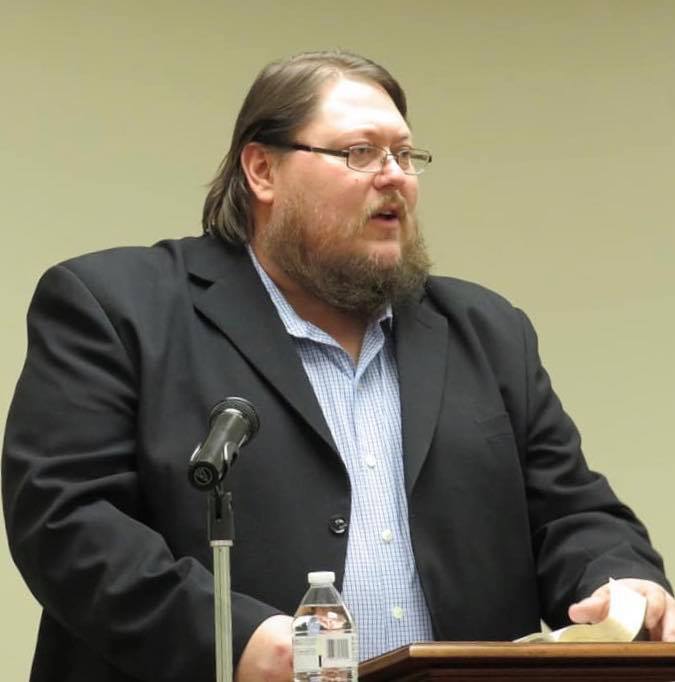
In the sermon “Does God's Sovereignty Matter? Pt. 2,” Mikal Smith presents the doctrine of God's sovereignty, emphasizing its relevance in believers' daily lives amidst societal challenges. He argues that a proper understanding of divine sovereignty reassures Christians of God’s control over all circumstances, including contemporary events marked by wickedness and pestilence. The preacher underscores Psalm 91, illustrating that those who trust in the Lord as their refuge and fortress will find protection, symbolized through metaphors like “shadow of the Almighty.” By trusting in God’s sovereignty, believers can face fears and anxieties with assurance, knowing that God’s providence governs all aspects of life, protecting His people from harm and delivering them ultimately. This doctrinal understanding offers remarkable comfort and encouragement for the church during turbulent times.
Key Quotes
“He that dwelleth in the secret place of the Most High shall abide under the shadow of the Almighty.”
“Our God is in the heavens. He hath done whatsoever He hath pleased.”
“Our trust isn’t in Trump... Only God is. Trust in the Lord.”
“A thousand shall fall at thy side, and ten thousand at thy right hand, but it shall not come nigh thee.”
The Bible explicitly teaches that God's sovereignty means He is in control of all things and acts according to His will.
God's sovereignty is a core doctrine in Scripture that emphasizes His supreme authority and power over all creation. As stated in Psalm 115:3, 'Our God is in the heavens; He does all that He pleases.' This verse encapsulates the essence of God's sovereignty, highlighting that He is not subject to the whims of humanity or the natural world but acts according to His own perfect will. The sovereignty of God assures us that nothing happens without His knowledge and permission, including the existence of evil, which is under His divine control. The entirety of God's creation, from its inception to its end, serves the purpose of glorifying Him and fulfilling His ultimate plan as laid out in the Scriptures.
Psalm 115:3
God's sovereignty is affirmed throughout Scripture, showing that He predestines all events for His glory.
The truth of God's sovereignty is established not only through direct statements in Scripture but also through the overarching narrative of the Bible. Romans 8:28 states, 'And we know that for those who love God all things work together for good, for those who are called according to His purpose.' This verse signifies that God's sovereignty encompasses all events—good and bad—ultimately working for the benefit of His people and the fulfillment of His divine plan. Additionally, Ephesians 1:11 highlights that God 'works all things according to the counsel of His will,' which underscores His authority in actively directing the course of history. From the story of Joseph to the prophecies of Jesus, the Biblical account confirms that God's sovereignty is a consistent theme woven throughout His revelation to humanity.
Romans 8:28, Ephesians 1:11
Trusting in God's sovereignty helps Christians find peace and assurance amidst life's uncertainties.
For Christians, trusting in God's sovereignty is vital for experiencing true peace in an often chaotic and unpredictable world. Psalm 91:1-2 assures believers that 'He who dwells in the secret place of the Most High shall abide under the shadow of the Almighty. I will say of the Lord, 'He is my refuge and my fortress, my God, in Him will I trust.' This passage tells us that understanding God’s sovereign control allows us to rest in His protective care. When we acknowledge that God is in control, it alleviates fear and anxiety, encouraging us to rely on His promises rather than the uncertainty of our circumstances. Our faith in God's sovereignty empowers us to navigate challenges with a sense of hope and purpose, confident that He is working all things for our good and His glory.
Psalm 91:1-2
Comments
Your comment has been submitted and is awaiting moderation. Once approved, it will appear on this page.
Be the first to comment!
