The conclusion of the matter is this!
Ecclesiastes 12:13-14; Hebrews 9:27
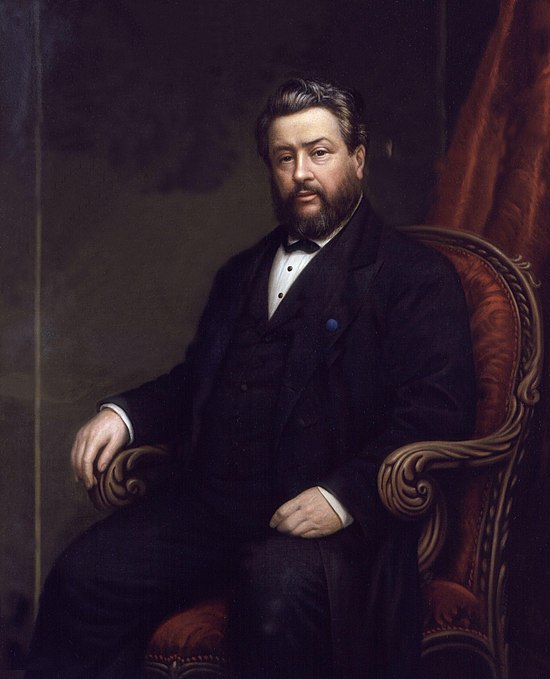
The theological topic of Spurgeon's sermon centers on the final judgment, emphasizing the reality and authority of Jesus Christ as the appointed Judge of all humanity. He argues that every individual, regardless of status or moral standing, will stand before Christ, whose judgment will be thorough, righteous, and irreversible. Spurgeon references Ecclesiastes 12:13-14, urging a life of reverence toward God and obedience to His commands, as well as Hebrews 9:27, which underscores the inevitability of death and subsequent judgment. The sermon highlights not only the universal and searching nature of divine judgment but also comfort for believers; those who trust in Christ are assured that their condemnation has been resolved at the cross, granting them eternal life instead of punishment. This dual emphasis on judgment and grace encapsulates the Reformed perspective of 'sola fide' (by faith alone) while exhorting the faithful to live righteously in anticipation of divine accountability.
“There is a judge over the whole earth, and there will be a final judgment, in which perfect justice will be administered.”
“No soul will escape his summons.”
“Every sentence will be so righteous that even those condemned to hell will be compelled to agree with their doom.”
“Fear God and keep His commandments, because this is the whole duty of man.”
The Bible teaches that all people will face a final judgment before Jesus, who will assess every action and motive with perfect justice.
Hebrews 9:27
God's judgment is important because it assures believers that justice will ultimately prevail and that their faith is validated by Christ's redemptive work.
Ecclesiastes 12:13-14, Hebrews 9:27
Jesus is confirmed as the ultimate judge in the Bible, where His authority to judge all mankind is established through His role as the moral governor.
Hebrews 9:27
Auto-generated transcript • May contain errors

Comments
Your comment has been submitted and is awaiting moderation. Once approved, it will appear on this page.
Be the first to comment!