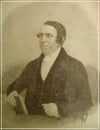
In "The Judge," James Smith emphasizes the sovereignty of God as the ultimate judge over all aspects of life, drawing heavily on Psalm 75:7 and the themes of divine judgment and providence found in Scripture. He argues that Jesus, as the supreme judge, is perfectly equipped to assess and determine what is right, basing this inclusively on His infinite wisdom, omniscience, and boundless mercy. Smith warns against the folly of humans questioning God’s decisions regarding their personal attributes and circumstances, underscoring the importance of humility and submission to God’s will. The sermon conveys that Christians should trust in God's ordained circumstances, accepting that His judgments are for their ultimate good, which reflects the Reformed doctrine of God's providence and sovereignty in all matters of life.
“God is the judge, and our formation, size, shape, appearance, etc., are all according to His will, and if according to His will, it must be best.”
“May your will be done, your name be hallowed, your glory be advanced, and I am content, more, I am well pleased.”
“If there was anything like chance in the world, I might complain or wish for an alteration. But since God exercises His judgment and has ordained my lot, it is for me to approve of it and seek grace that I may honor Him in it.”
“Shall the thing formed say unto Him that formed it, Why have you made me thus? God is the judge. Therefore be silent all the earth before the Lord.”
The Bible declares that God is the supreme judge, particularly emphasized in Psalm 75:7.
Psalm 75:7, Revelation 21
God's sovereignty is affirmed through His comprehensive control over our lives and events, as presented in Scripture.
Psalm 75:7, Revelation 21
Understanding God as judge helps Christians find contentment and trust in His divine plan for their lives.
Psalm 75:7, Revelation 21
Auto-generated transcript • May contain errors

Comments
Your comment has been submitted and is awaiting moderation. Once approved, it will appear on this page.
Be the first to comment!