Bootstrap
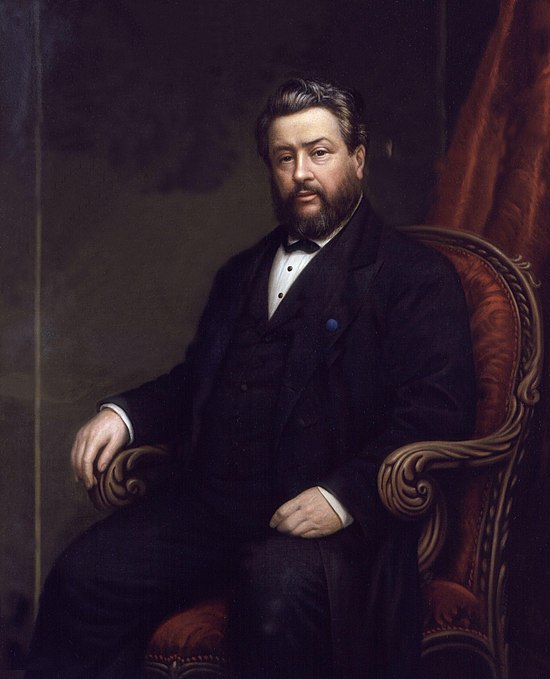
Charles Spurgeon

God's preserving grace

Romans 8:29-30
Charles Spurgeon December, 29 2025 Audio
0 Comments
We highly suggest that you READ the TEXT at the link below, as you listen to the audio above.

https://gracegems.org/2025/gods_preserving_grac...

Feel free to FORWARD this gem to others!

The sermon "God's Preserving Grace" by C. H. Spurgeon centers on the Reformed doctrine of perseverance of the saints, emphasizing the assurance believers have in God's sovereign grace to preserve them from apostasy. Spurgeon argues that the preservation of saints is not based on human effort but solely on God's omnipotent grace, highlighting the scriptural truth found in Romans 8:29-30 that those whom God foreknew, He predestined and ultimately glorified. He reinforces this with the promise in John 10:28, where Christ assures that none can be snatched from His hand, underscoring God's unchanging faithfulness. The practical significance of this doctrine is profound comfort for believers, as it assures them that their salvation is secure despite their weaknesses and struggles, ultimately relying on God's ongoing work in their lives.

Key Quotes

“It is not your hold of Christ that saves you. It is Christ's hold of you.”

“The life which God implants in the soul is incorruptible. It may be assailed, but it cannot be destroyed.”

“A Christian may stumble and sin, but he shall not fall utterly. The sheep may wander, but the shepherd never loses one of his flock.”

“We are saved from the first moment to the last by sovereign grace alone.”

What does the Bible say about God's preserving grace?

God's preserving grace ensures that those whom He saves will not fall away from their faith.

The Bible teaches that God's preserving grace is the sovereign mercy by which He keeps His people from ultimately falling away. This concept is grounded in passages like Romans 8:29-30, which illustrates that those whom God foreknew, He also predestined, called, justified, and glorified. This golden chain of salvation reflects God's unwavering faithfulness, assuring believers that they are held securely in His grace. The promises found in John 10:28 confirm that no one can snatch His sheep from His hand, emphasizing the invincible nature of God's preserving grace.

Romans 8:29-30, John 10:28

How do we know that preservation of the saints is true?

Preservation of the saints is affirmed by Scripture's promise that God will not forsake His people.

The doctrine of the preservation of the saints is firmly rooted in biblical assurance. Scriptures such as Psalm 94:14 affirm God's commitment to not forsake His heritage, providing a foundation of hope for believers. Additionally, Jude 24 celebrates God's ability to keep believers from stumbling and present them blameless before His glory. This concept is supported by Philippians 1:6, which emphasizes that He who began a good work will carry it to completion. Together, these verses illustrate that preservation is not based on human effort but on the unchanging promise and power of God himself.

Psalm 94:14, Jude 24, Philippians 1:6

Why is God's preserving grace important for Christians?

God's preserving grace offers assurance and sustains Christians throughout their spiritual journey.

God's preserving grace is crucial for Christians as it provides them with assurance and comfort amidst their struggles. Knowing that their salvation is secured by God's power and not their performance allows believers to face doubts and challenges without fear of losing their salvation. The sustaining grace illustrates that the Christian life is a pilgrimage upheld by God's ongoing work, highlighting that He does not only save but continuously supports His children through sanctification. This assurance helps believers to trust in God's faithfulness, as seen in Hebrews 7:25 where it affirms that God saves to the uttermost.

Hebrews 7:25

Sermon Transcript

Auto-generated transcript • May contain errors

100%
God's Preserving Grace by Charles Spurgeon

The preserving grace of God is the quiet, sovereign mercy by which he keeps his people from finally falling away. It is not loud or dramatic, yet it is constant, effectual, and invincible. Were salvation dependent upon human resolve, then not one soul would endure. But Scripture testifies with unmistakable clarity, those whom God saves, He preserves in the faith and in a holy life.

Preservation is not rooted in the strength of our faith, but in the power of God Himself. Faith is the means, God's omnipotent grace is the cause. Human weakness makes this doctrine not optional, but necessary. Left to ourselves, we drift, doubt, grow cold, and stumble grievously. David fell. Peter denied Christ. Yet neither was abandoned. Why? Because God's faithfulness does not fluctuate with human performance.

For the Lord will not forsake his people, he will not abandon his heritage. Psalm 94.14.

Preserving grace flows from God's eternal decree. Those whom He foreknew and predestined, He also called, justified, and glorified, spoken of so certainly, that future glory is described as already accomplished, Romans 8.29-30. There is no break in this golden chain of salvation. No sheep slips through the shepherd's hands. Jesus himself assures us, I give them eternal life, and they will never perish. No one can snatch them out of my hand, John 10.28.

God's preserving grace does not excuse sin, it restrains it. God preserves His people through sanctification, not apart from it. He disciplines those He loves, convicts them by His Spirit, and restores them through repentance. Preservation is not passive. It is God actively at work, keeping His saints clinging to Jesus even when their grip feels weak, because His grip never is.

Jude captures this beautifully. Now to Him who is able to keep you from stumbling and to present you blameless before the presence of His glory with great joy, Jude 24.

The same God who calls sinners out of darkness is the God who escorts them safely into glory. Not one will be missing. Not one will be lost. For the believer weighed down by ongoing struggle, preserving grace is profound comfort. Your assurance does not rest in yesterday's obedience or today's emotional strength, but in God's unchanging promise. He who began a good work in you will bring it to completion at the day of Jesus Christ, Philippians 1.6.

Every step heavenward is sustained by God's grace. The Christian life, then, is not a tightrope walk over damnation, but a pilgrimage upheld by sovereign grace. God does not merely save and step back. He saves to the uttermost, Hebrews 7.25. Let this truth anchor the soul. The God who chose you, redeemed you, and called you is faithful. He preserves his own until faith becomes sight and grace gives way to glory.

Charles Spurgeon. It is not your hold of Christ that saves you. It is Christ's hold of you. If one true believer could ever fall away, then God's promise would be broken, Christ's atonement would fail, and the Spirit's work would be frustrated. The life which God implants in the soul is incorruptible. It may be assailed, but it cannot be destroyed. Those whom the Father has chosen, whom the Son has redeemed, and whom the Spirit has regenerated, will surely be kept until they reach glory.

A Christian may stumble and sin, but he shall not fall utterly. The sheep may wander, but the shepherd never loses one of his flock. We are saved from the first moment to the last by sovereign grace alone.

My sheep listen to my voice. I know them, and they follow me. I give them eternal life, and they will never perish. No one can snatch them out of my hand. My Father who has given them to me is greater than all. No one can snatch them out of my Father's hand.
Charles Spurgeon
About Charles Spurgeon
Charles Haddon Spurgeon (19 June 1834 — 31 January 1892) was an English Particular Baptist preacher. His nickname is the "Prince of Preachers."
Broadcaster:

Comments

0 / 2000 characters
Comments are moderated before appearing.

Be the first to comment!

Joshua

Joshua

Shall we play a game? Ask me about articles, sermons, or theology from our library. I can also help you navigate the site.