Bootstrap
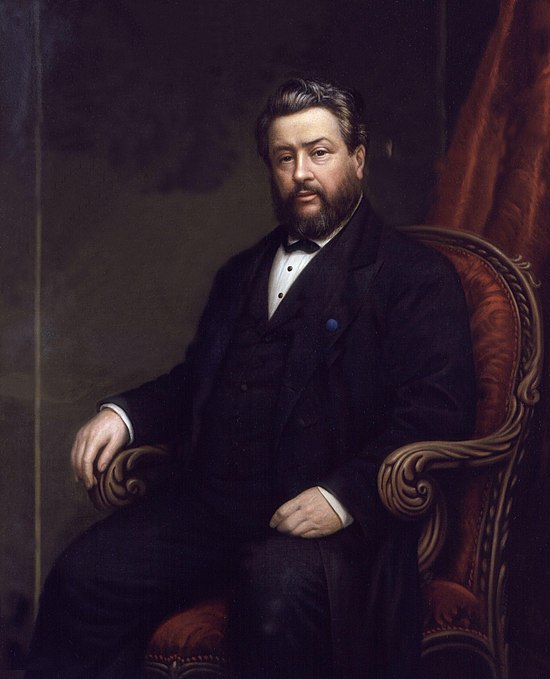
Charles Spurgeon

Don't trust your heart!

Jeremiah 17:9; Proverbs 28:26
Charles Spurgeon December, 24 2025 Audio
0 Comments
We highly suggest that you READ the TEXT at the link below, as you listen to the audio above.

https://gracegems.org/2025/dont_trust_your_hear...

Feel free to FORWARD this gem to others!

The sermon by C. H. Spurgeon, titled "Don't Trust Your Heart," addresses the deceptive nature of the human heart as articulated in Scripture. Spurgeon emphasizes Jeremiah 17:9, noting that the heart is not merely untrustworthy but is "deceitful above all things" and "desperately wicked." He contrasts the cultural mantra of trusting one’s heart with the biblical perspective that highlights the heart’s capacity for self-deception and moral corruption. He supports his argument with additional references, including Jesus’ teachings about the heart in Mark 7, illustrating that evil originates from within ourselves. The practical significance is that believers must rely on God's Word as the true standard of truth, recognizing that true transformation involves the replacement of the heart rather than its rehabilitation. Spurgeon ultimately calls the congregation to trust in the Lord, asserting that genuine faith results in new desires that align with Scripture.

Key Quotes

“The heart is deceitful above all things and desperately wicked.”

“Self-deception is our greatest danger. Our heart's deceit is both pervasive and persuasive.”

“When emotions are elevated above God's Word, then feelings become functional gods.”

“Do not trust your heart. Trust the God who exposes it, redeems it, and rules over it, for His glory and your eternal good.”

What does the Bible say about trusting your heart?

The Bible warns that the heart is deceitful and desperately wicked (Jeremiah 17:9).

According to Jeremiah 17:9, the heart is described as deceitful above all things and desperately wicked. This scriptural perspective stands in stark contrast to the worldly notion of trusting one's heart. Instead of being a reliable compass, the Bible exposes the heart as a source of deception and moral corruption. Jesus reinforces this understanding by stating that evil thoughts and actions originate from within the heart, demonstrating that the heart cannot be trusted to lead us to truth or righteousness.

Jeremiah 17:9, Mark 7:21-23

How do we know the doctrine of original sin is true?

Scripture reveals that the heart of man is inherently wicked, indicating original sin (Proverbs 28:26).

The doctrine of original sin is supported by the biblical declaration that the heart is inherently wicked and deceitful. Proverbs 28:26 teaches that those who trust in their own hearts are fools, suggesting a fundamental problem rooted in human nature. This concept is further echoed across Scripture, which consistently portrays the human heart as corrupt and in need of redemption. The pervasive evil that springs from our hearts exemplifies the need for divine grace to restore us and fulfill God's design for our lives.

Proverbs 28:26, Genesis 6:5

Why is it important for Christians to not trust their feelings?

Christians should test their feelings against God's Word, as emotions can lead to deception (Proverbs 3:5-6).

For Christians, relying solely on feelings can be dangerous due to the heart's inherent deceitfulness. Proverbs 3:5-6 instructs believers to trust in the Lord with all their hearts and not lean on their own understanding, emphasizing the necessity of aligning our emotions with Scripture. Emotions can lead us astray when they are prioritized over the truth found in God's Word. Therefore, wisdom dictates that we must submit our feelings to the truth of Scripture, allowing God's guidance to direct our paths rather than deceitful emotions that can mislead us.

Proverbs 3:5-6, Jeremiah 17:9

How can we replace our deceitful heart according to the Bible?

The Gospel offers a new heart and desires for those who trust in Jesus (Ezekiel 36:26).

The Gospel does not just attempt to improve or rehabilitate our old hearts; it offers a complete transformation by giving us a new heart and new desires. Ezekiel 36:26 speaks of God replacing our heart of stone with a heart of flesh, illustrating the profound change that occurs in believers. This new heart allows us to have new affections that align with God's will. While we receive this new heart through faith in Christ, we are still called to test everything against Scripture, ensuring that our thoughts and desires are in line with God's truth.

Ezekiel 36:26, 2 Corinthians 5:17

Sermon Transcript

Auto-generated transcript • May contain errors

100%
Don't trust your heart. Jeremiah chapter 17, verse 9. The heart is deceitful above all things and desperately wicked. Few cultural slogans sound more virtuous, yet are more dangerous than, always trust your heart. This destructive error is universally preached from the God-hating world, and from many pulpits. The heart, we are told, is pure, authentic, and trustworthy. Follow it, and you will find truth, freedom, happiness, and fulfillment.

Scripture speaks with a radically different voice. It never flatters the human heart, but exposes it. God's Word declares that the heart is not merely untrustworthy, but deceptive and wicked. Here we see the sharp conflict between biblical wisdom and cultural foolishness. The world says, trust your heart. God says, your heart is the problem.

In scripture, the heart refers to the essence of the person. It includes the mind, the will, the desires, the emotions, and the moral reasoning. To say that the heart is deceitful means that it lies. especially to its owner. To say that it is desperately wicked means it is morally corrupt and beyond self-repair. Hence the real problem with each of us is our deceptive and wicked heart. Self-deception is our greatest danger. Our heart's deceit is both pervasive and persuasive.

Jesus himself affirmed Jeremiah's diagnosis. For from within the hearts of men come evil thoughts, sexual immorality, theft, murder, adultery, greed, wickedness, deceit, debauchery, envy, slander, arrogance, and foolishness. All these evils come from within, and these are what defile a man.

Our culture promotes the heart as a reliable compass. Scripture reveals it as a faulty and broken instrument. When emotions are elevated above God's Word, then feelings become functional gods. Our feelings are never a reliable guide to truth. Emotions respond to perceptions, not reality. Wisdom submits emotions to God's truth, not truth to emotions. God's Word, not inner impressions, is the standard of truth. The heart must be judged by Scripture, not vice versa.

Your Word is a lamp to my feet and a light to my path. The Gospel does not rehabilitate the old heart, it replaces it. Those who sincerely trust in Jesus are given new desires, new affections, and a new standard of truth. Yet even then, Scripture never commands believers to trust their hearts, but to test everything by the Word.

Do not trust your heart. Trust the God who exposes it, redeems it, and rules over it, for His glory and your eternal good.

Charles Spurgeon

We cannot think a good thought, speak a good word, or do a good act, apart from divine grace. The heart is evil and only evil, and that continually. Man's heart is a den of unclean birds, a nest of vipers, a foul stable for all kinds of abominations. The heart of man is desperately wicked, and if it were not restrained by God's grace, it would be a very hell. He who trusts in his own heart is a fool.

Trust in the Lord with all your heart, and do not lean on your own understanding. In all your ways acknowledge Him, and He shall direct your paths.
Charles Spurgeon
About Charles Spurgeon
Charles Haddon Spurgeon (19 June 1834 — 31 January 1892) was an English Particular Baptist preacher. His nickname is the "Prince of Preachers."
Broadcaster:

Comments

0 / 2000 characters
Comments are moderated before appearing.

Be the first to comment!

1
Joshua

Joshua

Shall we play a game? Ask me about articles, sermons, or theology from our library. I can also help you navigate the site.