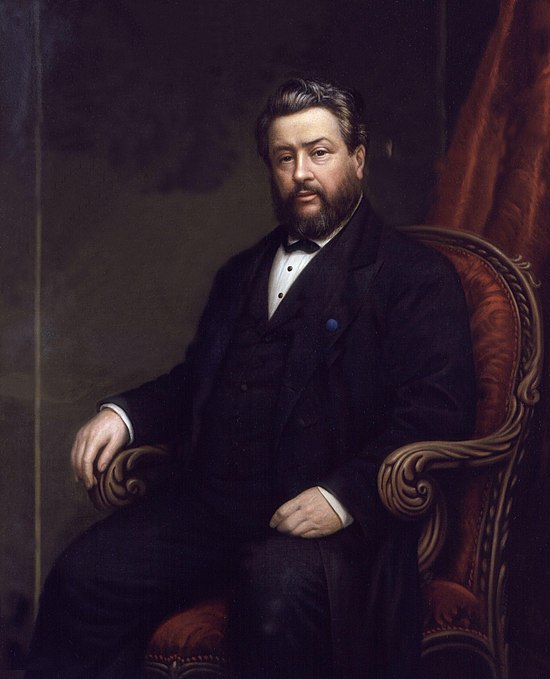
Regeneration is a central theological topic addressed by C. H. Spurgeon in his sermon, focusing on its necessity, source, effects, and ultimate end. The sermon articulates that humanity, inherently fallen and spiritually dead due to sin, cannot attain salvation without the regenerative work of the Holy Spirit, referenced from John 3:3-5. Spurgeon asserts that individuals are incapable of producing spiritual life on their own; rather, regeneration is solely a divine act, brought about through the Spirit and the Word, fulfilling God's sovereign decree (1 Peter 1:3). The practical significance lies in understanding that regeneration transforms a believer’s heart, aligning their desires with God’s, ultimately culminating in eternal communion with Christ and the assurance of salvation, highlighting the necessity of grace in the Reformed faith.
Key Quotes
“Regeneration, or the new birth, is the sovereign act of God, performed by the Holy Spirit through the Word, bringing a hell-deserving sinner from spiritual death to life in Christ.”
“To be born again is not a luxury, it is a necessity. There is no other way to heaven.”
“Man can no more create a new heart in himself than he could create the world.”
“Praise be to the God and Father of our Lord Jesus Christ. According to His great mercy, He has caused us to be born again to a living hope.”
The Bible teaches that regeneration, or the new birth, is essential for salvation and is a sovereign act of the Holy Spirit.
Regeneration is described in John 3:3 as a necessary condition to enter the kingdom of God. The Scriptures affirm that all individuals are born into this world dead in their trespasses and sins, making regeneration vital for spiritual life. As stated, Jesus emphasizes that without being born again, one cannot even see the kingdom of God, indicating the absolute necessity of this transformation.
John 3:3-5, 1 Peter 1:3
Regeneration is the act of God bringing a dead sinner to spiritual life through the Holy Spirit.
The Bible teaches that regeneration, or the new birth, is a sovereign act of God performed by the Holy Spirit. According to John 3:3, unless one is born again, he cannot see the kingdom of God. This new birth is essential because everyone is born spiritually dead in sin and cannot achieve spiritual life through their efforts. In our natural state, we are corrupt, bound by sin, and hostile to God, necessitating a divine intervention for salvation.
John 3:3-5; 1 Peter 1:3
Regeneration is affirmed in Scripture as the sovereign work of the Holy Spirit that brings a person from death to life in Christ.
The truth of regeneration is rooted in the authority of Scripture, particularly as seen in John 3 and the teachings of Jesus. The transformation described—where a person receives a new heart and new desires—confirms the existence of genuine regeneration. This experience is not self-induced but an act of God's will, fulfilled through His Holy Spirit. As Hebrews 12:14 states, without holiness, no one will see the Lord, thus affirming the need for regeneration.
John 3:3-5, Hebrews 12:14
The Bible confirms that regeneration is necessary for entering the kingdom of God.
The necessity of regeneration is affirmed by Jesus' words in John 3:3, where He emphasizes that without being born again, one cannot see the kingdom of God. This illustrates that our fallen state, characterized by spiritual death, requires an act of divine renewal. Our sinful nature makes it clear that efforts like morality or religion are insufficient for salvation. Only a new birth, wrought by the Holy Spirit, can transition a person from spiritual death to life.
John 3:3-5; Ephesians 2:1-5
Regeneration is crucial for Christians as it marks the beginning of spiritual life and transformation into the image of Christ.
For Christians, regeneration signifies the foundational change where a person is no longer a child of wrath but becomes an heir of God. It leads to a profound transformation where one's affections and desires are renewed. As Paul writes in 2 Corinthians 5:17, anyone in Christ is a new creation—the old has passed away, and the new has come. This transformation is not just a one-time event but begins a lifelong journey of sanctification toward eternal life with Christ.
2 Corinthians 5:17, John 3:3-5
Understanding regeneration is crucial as it underscores God's sovereign grace in salvation.
Understanding regeneration is vital for Christians as it reveals our utter dependence on God's grace for salvation. We learn that it is not by our efforts or choices that we are saved, but solely through the sovereign work of the Holy Spirit who transforms our hearts. This truth leads to a deeper appreciation for God’s mercy and a humble acknowledgment of our completely lost state without Him. It encourages us to recognize the profound change in affections and desires that mark a regenerate life, culminating in eternal communion with Christ.
John 3:3-5; 1 Peter 1:3
Regeneration transforms a believer's heart, giving them new desires for holiness and Christ.
The effects of regeneration are profound and life-changing. Regeneration results in a new heart, where the regenerate person now loves Jesus and holiness, while hating the sin they once embraced. As 2 Corinthians 5:17 states, they become a new creation. This transformation impacts their affections, desires, and ultimately their actions, increasingly conforming their lives to the image of Christ. The process of sanctification is fueled by this new life, pointing towards the eternal communion with God that awaits believers.
2 Corinthians 5:17; John 3:3-5

Comments
Your comment has been submitted and is awaiting moderation. Once approved, it will appear on this page.
Be the first to comment!