Bootstrap
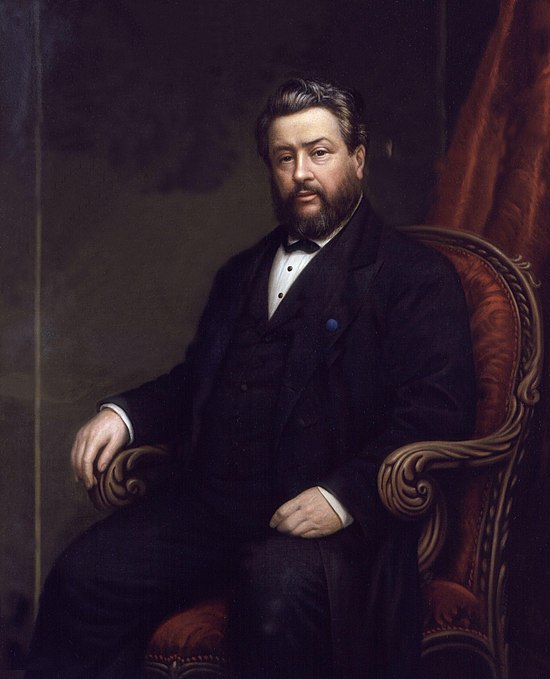
Charles Spurgeon

The Exclusivity of the Gospel!

Acts 4:12; John 14:6
Charles Spurgeon October, 13 2025 Audio
0 Comments
We highly suggest that you READ the TEXT at the link below, as you listen to the audio above.

https://gracegems.org/2025/exclusivity_of_the_g...

Feel free to FORWARD this gem to others!

The sermon by C. H. Spurgeon, "The Exclusivity of the Gospel," addresses the doctrine of salvation through Christ alone, countering contemporary pluralistic views that deny absolute truth. Spurgeon argues that all humanity is inherently sinful and in dire need of salvation, emphasizing that spiritual life can only be attained through faith in Jesus Christ, who is the sole mediator. He supports his claims with Scripture references such as Acts 4:12 and John 14:6, underscoring that salvation is not possible through any other means or identity. The sermon emphasizes the practical significance of evangelism, as recognizing the exclusivity of the gospel fuels the urgency for Christians to share the truth that alone leads to redemption.

Key Quotes

“There is only one way to be reconciled to God, only one mediator between God and man, and only one name under heaven by which we must be saved.”

“Sin has corrupted every faculty of human nature... All stand guilty before the bar of divine justice, and the sentence is eternal condemnation.”

“To alter it is to forfeit salvation itself.”

“Silence is cruelty. To know the truth that saves and to withhold it from others is unthinkable.”

What does the Bible say about the exclusivity of the Gospel?

The Bible teaches that salvation is found exclusively in Jesus Christ, who is the only way to God.

The exclusivity of the Gospel is a biblical doctrine clearly articulated in verses such as John 14:6, where Jesus states, 'I am the way, the truth, and the life. No one comes to the Father except through me.' Acts 4:12 reinforces this by declaring that there is no other name under heaven given among men by which we must be saved. This asserts that all people are lost in sin and require Jesus as their sole mediator for reconciliation with God.

John 14:6, Acts 4:12

What does the Bible say about the exclusivity of the Gospel?

The Bible declares that salvation is found exclusively in Jesus Christ, as articulated in Acts 4:12 and John 14:6.

Scripture asserts the exclusivity of the Gospel, emphasizing that salvation is only found in Jesus Christ. Acts 4:12 states, 'There is no other name under heaven given to mankind by which we must be saved.' This underlines that any claims of alternative paths to God are false. John 14:6 reinforces this by declaring Jesus as 'the way and the truth and the life,' stating unequivocally that no one comes to the Father except through Him. This exclusivity is not a reflection of God's narrowness but rather His mercy, as it provides a clear path for reconciliation with Him.

Acts 4:12, John 14:6

How do we know that salvation is only through Jesus?

The truth of salvation through Jesus is supported by scripture and the historical claims of His atoning sacrifice.

The scripture presents Jesus as the exclusive pathway to salvation, supported by foundational truths such as those found in Galatians 1:8-9, which warn against altering the Gospel. The New Testament emphasizes the importance of Christ’s sacrificial death, which satisfied divine justice and provided the necessary atonement for sin. The resurrection of Jesus serves as God's confirmation that His sacrifice was sufficient. Thus, any belief in multiple paths to salvation contradicts the biblical revelation and undermines the grace of God.

Galatians 1:8-9, John 14:6

How do we know the Gospel is the only way to salvation?

The Gospel is the only way to salvation as it is clearly revealed in Scripture, with no valid alternatives provided.

The certainty that the Gospel is the sole means of salvation is grounded in divine revelation provided in Scripture. Jesus' words affirm that He is the exclusive way to God (John 14:6), and the apostolic writings consistently reinforce this foundational truth. Galatians 1:8-9 warns against altering or diluting the message of salvation, confirming the necessity of holding firmly to the original Gospel, which is based on grace through faith in Christ alone. This basis emphasizes the need for believers to both recognize and proclaim this exclusivity, as it is crucial for upholding authentic Christianity.

Galatians 1:8-9, John 14:6

Why is the exclusivity of the Gospel important for Christians?

The exclusivity of the Gospel protects the purity of the message of salvation and emphasizes grace alone.

Understanding the exclusivity of the Gospel is essential for Christians as it underscores the urgency and necessity of evangelism. If Jesus is the only Savior, it calls Christians to share this truth widely, as withholding it from others is akin to cruelty. The exclusivity highlights not only the singularity of the path to salvation but also glorifies God’s grace in providing that path through Christ alone. It emphasizes that any alteration to this message compromises salvation itself, as seen in Galatians 1:8-9, which warns against tampering with the Gospel.

Galatians 1:8-9, John 14:6

Why is the exclusivity of the Gospel important for Christians?

The exclusivity of the Gospel underscores the seriousness of salvation and the necessity of faith in Christ alone.

The importance of the Gospel's exclusivity for Christians cannot be overstated as it highlights both the gravity of human sinfulness and the glory of God's grace. By affirming that all humanity is lost without Christ, the exclusivity of the Gospel compels believers to understand their need for divine intervention. It not only shapes the essence of Christianity but also drives the urgency of evangelism, as knowing the truth of salvation requires a responsibility to share it with others. This exclusivity serves as a reminder that spiritual life and forgiveness are found solely in Christ, reinforcing the centrality of the Gospel in the Christian faith.

Acts 4:12, John 14:6, Galatians 1:8-9

What does the Bible say about salvation and sin?

The Bible indicates that all are sinners in need of salvation through Christ.

The scriptures teach that every human being is born under the curse of sin and is in desperate need of salvation. Romans 3:10-12 states, 'There is no one righteous, not even one; there is no one who understands; there is no one who seeks God.' This establishes the universal condition of humanity's fallenness, emphasizing that all efforts at righteousness are ultimately vain. The Gospel's message begins with recognizing this dire need—only then can a person genuinely appreciate and cling to the offer of salvation through faith in Jesus Christ.

Romans 3:10-12, Ephesians 2:1-5

Why must Christians share the Gospel?

Christians must share the Gospel because it is the only means through which others can be saved.

The urgency for Christians to share the Gospel stems from the doctrine of the exclusivity of salvation. Romans 10:14 posits that faith comes from hearing, and how can one hear if no one preaches? The command to evangelize is rooted in the understanding that silence about the truth of Christ's work is detrimental. Recognizing that there is no other means of salvation compels believers to proclaim the message of Christ’s redemptive work with urgency to a world in need of reconciliation with God. The call to evangelism is not merely for the sake of obligation but is motivated by love for lost souls.

Romans 10:14, Acts 1:8
Sermon Transcript

Auto-generated transcript • May contain errors

100%
The Exclusivity of the Gospel by Charles Spurgeon The message of the gospel stands as a divine declaration of absolute truth in a world that hates absolutes. In an age intoxicated with pluralism and compromise, few doctrines are more offensive to human pride than the exclusivity of the gospel. Yet scripture is crystal clear. There is only one way to be reconciled to God, only one mediator between God and man, and only one name under heaven by which we must be saved. This is not bigotry or arrogance, but divine revelation. The exclusivity of the Gospel does not reveal God's narrowness, but His mercy, for He has not left the world in confusion, but has clearly revealed the only way of salvation in His Son.

The scriptural view of salvation rests upon three foundational truths. Together, they display both the gravity of man's condition and the glory of God's grace.

Firstly, all people without exception are lost sinners and in need of salvation. The gospel begins with the bad news. Every man, woman and child enters this world under the dominion of sin and the curse of damnation. There is no one righteous, not even one. There is no one who understands, no one who seeks God. Sin has corrupted every faculty of human nature. The mind is darkened, the heart is hardened, the affections are perverted, and the will is enslaved. Humanity does not merely need forgiveness, it needs spiritual life. You were dead in your transgressions and sins, All stand guilty before the bar of divine justice, and the sentence is eternal condemnation. Man cannot climb to God through morality, good works, or religion. All human virtue is tainted, all human merit is worthless, for all our righteous acts are like filthy rags. This first foundational truth strips man of every excuse and leaves him speechless before God. It prepares the heart to receive grace. Until a sinner sees that he is utterly lost, he will never value the Savior. Until the soul feels the depth of its ruin, it will never cling to the Redeemer. The exclusivity of the Gospel begins with this, that apart from divine regeneration, all mankind is hopelessly lost.

Secondly, there is no salvation without conscious faith in Christ. The second foundational truth proclaims that salvation is found in Christ alone. I am the way and the truth and the life, Jesus said. No one comes to the Father except through Me. Every other so-called path to God is false. Every other foundation is sand. Jesus did not die to make many ways possible, but to open one way to God through His sin-atoning death. He is the exclusive Redeemer because He alone met the demands of divine justice on the cross. He bore the sins of his people, endured the wrath they deserved and cried, it is finished. His resurrection is the Father's declaration that full payment has been made and accepted. Therefore to seek salvation outside of him is to reject God's provision and insult his grace.

Here the words of the Apostle Paul ring with terrifying solemnity.

But even if we or an angel from heaven should preach a gospel other than the one we preached to you, let him be eternally condemned. As we have already said, so now I say again. If anybody is preaching to you a gospel other than what you accepted, let him be eternally condemned.

Galatians chapter 1, verses 8 and 9. These verses underline the seriousness of tampering with the gospel, Paul does not leave room for multiple paths to heaven. He twice pronounces a curse, anathema, upon anyone who alters, dilutes or distorts the message of salvation by grace alone, through faith alone, in Christ alone. This second foundational truth, illuminated by Galatians 1, verses 8 and 9, reminds us that the exclusivity of the gospel is not a secondary issue, it is the essence of Christianity. To alter it is to forfeit salvation itself.

From this passage flow several solemn principles. The gospel's purity must be guarded. No message, no teacher, no experience, no dream is above the written word of God. Even an angelic revelation is to be rejected if it departs from scripture. Truth does not evolve. The gospel proclaimed by the apostles remains the only saving message for all generations.

the gospel's exclusivity must be proclaimed. To say that Jesus is one of many ways is to preach another gospel. To teach that moral effort or human goodness contributes to salvation is to deny grace itself. There is only one gospel, and it centers on the crucified and risen Savior who alone saves sinners by His grace.

the gospel's enemies must be exposed. Paul's words remind believers that the gravest threats to scripture truth often come from within religious circles. False teachers preach Christ, but not the biblical Christ. They use the language of grace, yet deny its substance. The church must therefore test every spirit and measure every message by the word of God.

the gospel's authority must be submitted to. If the true gospel alone saves, then every human philosophy, every religious sentiment, and every self-invented spirituality must be rejected. God's truth is not subject to man's opinions. The gospel commands repentance and faith, not negotiation and compromise.

Thirdly, There can be no faith in Christ without first hearing the gospel message. The third foundational truth reveals the necessity of gospel proclamation. Faith comes from hearing the message and the message is heard through the message about Christ. God has ordained that His saving gospel be made known through preaching, teaching and witnessing. He could have saved men through visions or nature, but He has chosen the foolishness of preaching to save those who believe. How can they believe in the one of whom they have not heard? And how can they hear without someone preaching to them? These rhetorical questions leave no doubt. There is no salvation apart from the hearing of the gospel. Sinners cannot believe in a savior they have never known and they cannot know him unless someone tells them.

Therefore the exclusivity of the gospel compels evangelism. If Jesus is the only Saviour, and His Gospel is the only saving message, then Christians must speak with urgency. Silence is cruelty. To know the truth that saves and to withhold it from others is unthinkable. The narrowness of the way demands the breadth of our witness.

Conclusion. The exclusivity of the gospel is not a man-made doctrine. It is the heartbeat of divine revelation. It humbles man's pride, glorifies God's grace, and exalts Jesus as the only hope for a lost world. All are sinners. None can save themselves. And only conscious faith in the crucified and risen Savior brings forgiveness and spiritual life.

Galatians chapter 1 verses 8 and 9 thunders across the ages as God's unchanging verdict against every counterfeit gospel. It warns us that to corrupt the gospel is to be cursed, to cling to it is to be saved. You must be saved by faith in Jesus Christ or be lost forever. There is no other gate, no other way, no other door, All roads do not lead to heaven. Some lead to perdition. Only one road has the blood-stained footprints of the Savior upon it.
Charles Spurgeon
About Charles Spurgeon
Charles Haddon Spurgeon (19 June 1834 — 31 January 1892) was an English Particular Baptist preacher. His nickname is the "Prince of Preachers."
Broadcaster:

Comments

0 / 2000 characters
Comments are moderated before appearing.

Be the first to comment!

Joshua

Joshua

Shall we play a game? Ask me about articles, sermons, or theology from our library. I can also help you navigate the site.
