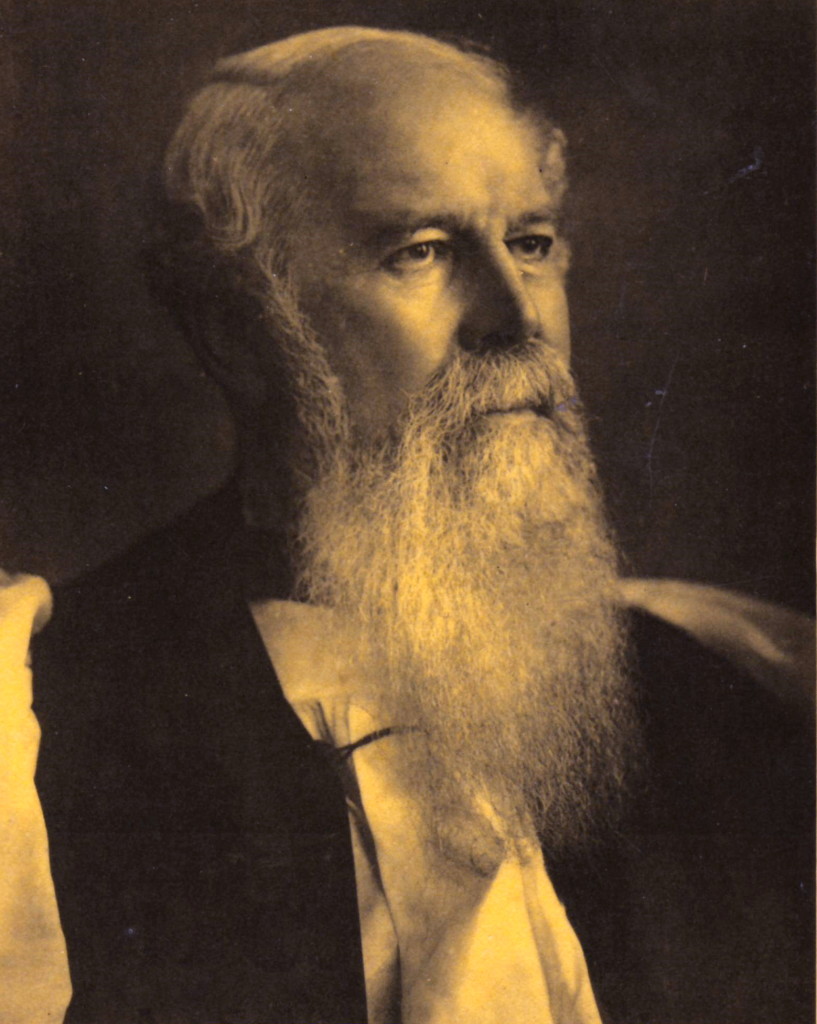
In J. C. Ryle's sermon on John 14:4-11, the primary theological topic is the identity of Jesus Christ as the exclusive mediator between humanity and God. Ryle articulates how Jesus declares Himself to be "the way, the truth, and the life," emphasizing that all believers, regardless of their intellectual grasp of doctrine, can have a genuine relationship with God through Christ. He supports his arguments with biblical references that highlight the intimate union between the Father and the Son, suggesting that to know one is to know the other (John 14:7-11). The practical and doctrinal significance lies in the assurance that salvation is accessible to all who trust in Christ alone, countering contrary views that suggest multiple pathways to God, thus reinforcing core Reformed doctrines such as sola fide (faith alone) and the exclusivity of Christ in salvation.
Key Quotes
“He that attempts to unfold them does little more than scratch the surface of a rich soil.”
“There must be a mediator, a ransom-payer, a redeemer, between ourselves and God, or else we can never be saved.”
“No man cometh unto the Father but by me.”
“The more we know of Christ, the more we know of the Father.”
Jesus declares that He is the only way to God, the embodiment of truth, and the source of life.
In John 14:6, Jesus proclaims, 'I am the way, the truth, and the life.' This statement encapsulates His role as the singular pathway to God the Father, emphasizing the need for His mediation and atonement for salvation. As the way, He directs believers toward reconciliation with God, signifying that no one can approach the Father without coming through Him. As the truth, He is the ultimate revelation of God, fulfilling all the types and shadows of the Old Testament and illuminating the darkness of human understanding. Lastly, as the life, Jesus represents the source of both spiritual and eternal life for believers, assuring that those who trust in Him possess everlasting life.
John 14:6
Jesus unequivocally states that no one comes to the Father except through Him.
In John 14:6, Jesus makes it clear that He alone is the way to the Father. This assertion is essential to Christian doctrine, affirming that there is no alternative path to reconciliation with God aside from faith in Christ's sacrificial atonement. Jesus emphasizes this exclusivity by stating that personal attributes such as intelligence, morality, or sincerity are inadequate for salvation. The holiness of God requires a mediator, which only Christ fulfills. This theological truth counters modern notions suggesting that multiple paths lead to God, underscoring the necessity of faith in Christ as the sole means of salvation.
John 14:6
The union reflects the nature of God's revelation and the assurance of Christ's divine authority.
The union between God the Father and God the Son is a profound mystery foundational to Christian faith. In John 14:9-11, Jesus indicates that seeing Him is akin to seeing the Father, underscoring the closeness of their relationship. This union is not merely a theological concept but assures believers that their understanding of Christ directly correlates to their comprehension of God the Father. It showcases the divine authority of Christ in His teachings and works, affirming that those who trust Him are ultimately engaging with God Himself. Moreover, this relational dynamic provides believers with assurance of God's love and accessibility through Christ, strengthening their faith and hope in salvation.
John 14:9-11
Comments
Your comment has been submitted and is awaiting moderation. Once approved, it will appear on this page.
Be the first to comment!
