Bootstrap
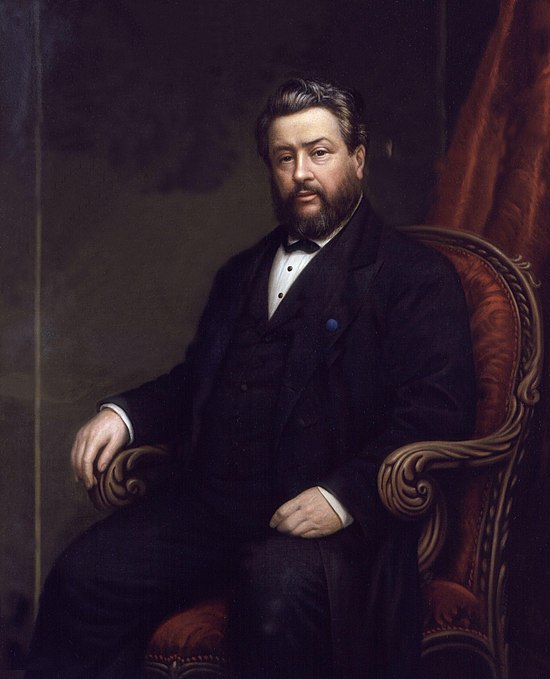
Charles Spurgeon

The fool!

Psalm 14:1; Psalm 53:1
Charles Spurgeon July, 27 2025 Audio
0 Comments
We highly suggest that you READ the TEXT at the link below, as you listen to the audio above.

https://gracegems.org/2025/fool.htm

Feel free to FORWARD this gem to others!

C. H. Spurgeon's sermon, "The Fool," addresses the doctrine of atheism and its implications in light of Psalm 14:1 and Psalm 53:1. Spurgeon argues that the denial of God's existence stems not from intellectual deficiency but from moral rebellion and a desire to live in sin without accountability. The assertion that "the fool says in his heart, there is no God" underscores the folly of rejecting the foundation of truth, justice, and moral standards established by God. He emphasizes that such denial leads to moral decay and self-deception, as it allows individuals to evade the reality of divine judgment. The practical significance of this message is a call to recognize the seriousness of turning away from God; those who deny Him now will ultimately find themselves confronted with His existence and authority in the afterlife.

Key Quotes

“To deny God is to deny the foundation of all truth, justice, and meaning.”

“The fool wishes that there were no God, for then he could sin with impunity.”

“It is not a lack of intelligence but a love of sin that leads men to atheism.”

“On earth there are atheists many, in hell there are not any.”

What does the Bible say about atheism?

The Bible describes atheism as profound folly, stating that 'the fool says in his heart, There is no God' (Psalm 14:1).

The Scriptures clearly present atheism as the pinnacle of foolishness. Psalm 14:1 asserts that the fool denies the existence of God, revealing a deeper issue than mere intellectual doubt; it highlights a moral rebellion against the Creator. This rejection is not based on reason but stems from a sinful heart that seeks to live apart from divine authority. Denying God undermines the foundation of truth, justice, and meaning in life and leads to moral decay and hopelessness, as indicated in Psalm 14:3, which states, 'They are corrupt, their deeds are vile; there is no one who does good.'

Psalm 14:1, Psalm 14:3

Why is acknowledging God important for Christians?

Acknowledging God is crucial for Christians because it grounds morality, purpose, and hope beyond the grave.

For Christians, the acknowledgment of God's existence is foundational to understanding morality and purpose. Without belief in God, there cannot be a true standard for goodness or justice, nor can there be hope for life after death. As Spurgeon notes, the fool's denial of God leads to a lack of moral standards, causing society to descend into 'moral decadence.' The fear of the Lord, which is the beginning of wisdom (Proverbs 1:7), helps believers navigate life with a sense of accountability and purpose grounded in the character of God, affirming that life holds meaning only when lived in relation to the Creator.

Proverbs 1:7

How do we know God exists?

We know God exists because the rejection of His existence stems from moral rebellion rather than rational doubt.

The existence of God is evident in both creation and the conscience of humanity. While some may claim to doubt God's existence, Spurgeon emphasizes that deep down, this doubt often arises not from a lack of intellectual proof but from a desire to escape accountability for sin. Romans 1:20 elucidates that God's eternal power and divine nature are clearly perceived in the created world, leaving humankind without excuse. Furthermore, the moral law written on the hearts of believers and non-believers alike affirms the existence of a moral lawgiver. Ultimately, though atheism may be widespread, the truth is that every person is aware of God's existence, even if they choose to deny it.

Romans 1:20

Sermon Transcript

Auto-generated transcript • May contain errors

100%
The Fool. By Charles Spurgeon. Psalm chapter 14, verse 1. The fool says in his heart, there is no God. There are no infidels anywhere but on earth. There are none in heaven, and there are none in hell. In heaven they see his face, and in hell they feel his justice and power. But on earth men dream and doubt and defy their God.

There is no greater folly than to deny the existence of the One who made us. This is not the voice of rational doubt, but of moral rebellion. It is not reason that rejects God. It is the sinful heart that refuses to bow before Him. To deny God is to deny the foundation of all truth, justice, and meaning. Without God, there can be no moral standards, no true purpose in life. and no hope beyond the grave. The fool tears down, the only shelter from the storm of sin, the only light in the darkness of this world, the only Savior from the wrath to come.

The consequences of such foolishness are severe. Psalm 14 goes on to say, They are corrupt, their deeds are vile, there is no one who does good. To cast off God is to plunge into moral decadence. When the fear of the Lord is absent, then wickedness abounds. To say in the heart there is no God is to utter a lie which is fraught with the most deadly consequences.

Atheism is self-deception, a soul-damning self-deception. The fool chooses to believe there is no God simply because this suits his lusts and quiets his conscience. Because he loves his sin, the fool willfully deceives himself into believing that there is no God who sees his sin or will judge and punish him for his sin.

Atheism is a strange thing. Even the demons never fell into that wickedness, for the demons believe and tremble. and yet there are found among men such monsters in iniquity who will mock the holy and righteous God to His face. No man is born an atheist. Men become atheists by hardening their hearts and searing their consciences. He who denies God is not mentally deficient, he is morally debased. It is not a lack of intelligence but a love of sin that leads men to atheism.

The fool wishes that there were no God, for then he could sin with impunity. If there is no God, then there is no punishment for sin, and the pit of hell is a fable. The willful and foolish denial of God is the first link in a long chain that ends in eternal damnation. A man may live like a beast and die like a fiend, all because he hopes that there is no God. But when he stands before the throne of judgment, he will know, too late, how great his folly was.

Atheists will not doubt God's existence in hell. They will weep and wail and gnash their teeth, but they will not question His existence. On earth there are atheists many, in hell there are not any.
Charles Spurgeon
About Charles Spurgeon
Charles Haddon Spurgeon (19 June 1834 — 31 January 1892) was an English Particular Baptist preacher. His nickname is the "Prince of Preachers."
Broadcaster:

Comments

0 / 2000 characters
Comments are moderated before appearing.

Be the first to comment!

Joshua

Joshua

Shall we play a game? Ask me about articles, sermons, or theology from our library. I can also help you navigate the site.