Bootstrap
Charles Spurgeon

A Christian would rather die than live!

Colossians 3:1-2; Philippians 1:21-24
Charles Spurgeon June, 27 2025 Audio
0 Comments
"For to me, to live is Christ and to die is gain." This is the desire of a man who has been saved from sin and damnation by Jesus, and now lives only for Him. Paul's dilemma is not born of doubt, but of devotion. His heart is stretched between two holy desires: to serve Jesus on earth--or to see Jesus in Heaven.

"For to me, to live is Christ" meant that Paul viewed Jesus as his absolute Lord and Master. His life was not his own. Whether preaching in synagogues, writing letters in prison, or suffering beatings and rejection--he counted it all as "fruitful labor" for his Savior. He did not crave ease, pleasure, or honor. So long as his heart beat, it would beat for the Lord Jesus.

Yet "to die is gain." Not because Paul saw death as an escape from trouble, but because he saw death as the entrance to endless joy. Death for him was not the end of life--it was the beginning of glory. He does not speak of death with hesitation, but with longing. "To depart and be with Christ... which is better by far!" Not just better, but far better! His heart was not attached to this fleeting and disappointing world. Paul realized that on the day of his death, he would behold King Jesus in all of His beauty!

Still, Paul says, "it is more necessary for you that I remain." This is the heart of a true shepherd of souls. Though he yearned for Heaven, he willingly delays his crown for the sake of God's flock. What an example of selfless devotion.

Dear believer, are you living in Paul's dilemma? Does your heart long for Jesus above all, yet remain gladly willing to labor on for His name's sake? The Christian life is marked by a holy tension: a life fully yielded here, and a soul homesick for Hea

C. H. Spurgeon's sermon, titled "A Christian would rather die than live," explores the profound tension in the Christian life between living for Christ and longing for eternal union with Him. Central to Spurgeon's message is the Apostle Paul's declaration that "to live is Christ and to die is gain" found in Philippians 1:21-24. Spurgeon emphasizes that a genuine Christian, transformed by grace, sees life as an opportunity for fruitful labor and service to Christ, while also viewing death not with fear, but with eager anticipation of being with the Lord. The practical significance highlighted is the selfless nature of true Christian devotion, where the desire for heavenly glory is balanced with a commitment to serve others on earth, showing that the believer's ultimate hope lies in their relationship with Christ. Both Colossians 3:1-2 and Philippians 1:21-24 reinforce the believer's calling to fix their eyes on heavenly things while actively serving in their earthly vocation.

Key Quotes

“His heart is stretched between two holy desires, to serve Jesus on earth or to see Jesus in heaven.”

“Death for him was not the end of life. It was the beginning of glory.”

“Though he yearned for heaven, he willingly delays his crown for the sake of God's flock.”

“We are immortal until our work is done, and when it is done, we shall not wish to linger on earth.”

What does the Bible say about living for Christ?

The Bible teaches that to live is Christ, meaning our lives should be centered around Him and His mission.

The Bible clearly expresses that living for Christ means that every aspect of our lives is dedicated to honoring and serving Him. As Paul states in Philippians 1:21, 'For to me, to live is Christ and to die is gain.' This implies that true life is found in relationship with Jesus, where our purpose is to glorify Him through our actions and intentions. The Christian life is not about seeking personal pleasure, success, or honor but rather about selfless service to our Savior. In this commitment, believers find their true identity and calling.

Philippians 1:21, Colossians 3:1-2

How do we know that to die is gain for a Christian?

For Christians, death is gain because it leads to being with Christ, experiencing eternal joy and glory.

The assurance that to die is gain comes from the belief that death is not the end, but the beginning of a profound and eternal relationship with Christ. In Philippians 1:23, Paul expresses his desire to 'depart and be with Christ, which is better by far.' This perspective comes from the understanding that upon death, believers enter into eternal life, free from suffering and sin, and into the presence of Jesus. This teaching comforts Christians, emphasizing that while earthly life entails trials and responsibilities, the eternal state in glory with Christ brings ultimate fulfillment and joy.

Philippians 1:21-24

Why is it important for Christians to desire heaven?

Desiring heaven is essential for Christians as it aligns our hearts with God's eternal promises and fuels our earthly labor.

The longing for heaven is crucial for Christians as it provides motivation and perspective in our earthly journey. Colossians 3:1-2 encourages believers to 'set your hearts on things above, where Christ is seated at the right hand of God.' This heavenly focus helps Christians navigate the challenges of life, knowing that our true home and ultimate joy lie in eternal communion with God. Furthermore, this desire compels us to live out our faith actively and evangelistically, seeking to maximize our time on earth for the glory of Jesus until such time as we are called home. Living with this anticipation allows us to endure trials more gracefully and prioritize what truly matters.

Colossians 3:1-2

Sermon Transcript

Auto-generated transcript • May contain errors

100%
A Christian would rather die than live. By Charles Spurgeon

Philippians chapter 1 verses 21 through 24

For to me to live is Christ and to die is gain. If I am to go on living in the body, this will mean fruitful labor for me. Yet what shall I choose? I do not know. I am torn between the two. I desire to depart and be with Christ, which is better by far, but it is more necessary for you that I remain in the body.

For to me, to live is Christ and to die is gain. This is the desire of a man who has been saved from sin and damnation by Jesus and now lives only for Him. Paul's dilemma is not born of doubt, but of devotion. His heart is stretched between two holy desires, to serve Jesus on earth or to see Jesus in heaven.

For to me to live is Christ meant that Paul viewed Jesus as his absolute Lord and Master. His life was not his own. whether preaching in synagogues, writing letters in prison, or suffering beatings and rejection. He counted it all as fruitful labor for his Savior. He did not crave ease, pleasure, or honor. So long as his heart beat, it would beat for the Lord Jesus.

Yet to die is gain, not because Paul saw death as an escape from trouble, but because he saw death as the entrance to endless joy. Death for him was not the end of life. It was the beginning of glory. He does not speak of death with hesitation, but with longing. To depart and be with Christ, which is better by far. Not just better, but far better. His heart was not attached to this fleeting and disappointing world. Paul realized that on the day of his death, he would behold King Jesus in all of his beauty.

Still, Paul says, it is more necessary for you that I remain. This is the heart of a true shepherd of souls. Though he yearned for heaven, he willingly delays his crown for the sake of God's flock. What an example of selfless devotion.

Dear believer, are you living in Paul's dilemma? Does your heart long for Jesus above all? yet remain gladly willing to labor on for his name's sake? The Christian life is marked by a holy tension, a life fully yielded here, and a soul homesick for heaven.

A Christian would rather die than live, if it were not that he desires to glorify Jesus by his life. Beloved, we are immortal until our work is done, and when it is done, we shall not wish to linger on earth. Let us live for Jesus, until we are with Jesus. And when the final summons comes, we too shall say, to die is gain.

Since then, you have been raised with Christ. Set your hearts on things above, where Christ is seated at the right hand of God. Set your minds on things above, not on earthly things.

Colossians chapter 3, verses 1 and 2.
Charles Spurgeon
About Charles Spurgeon
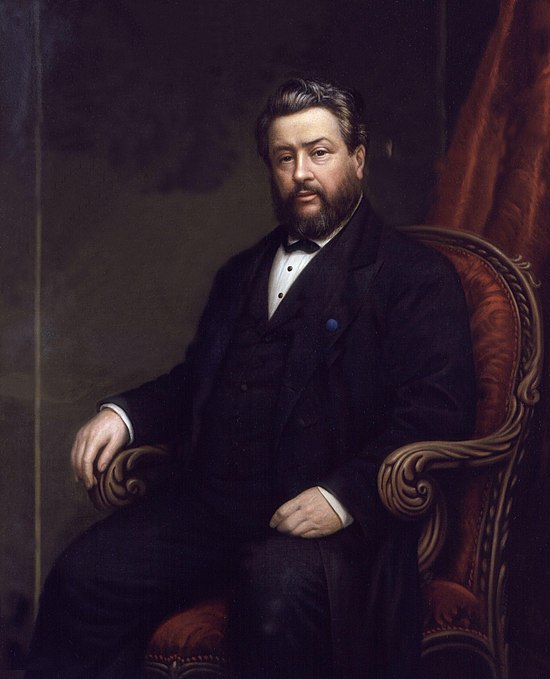
Charles Haddon Spurgeon (19 June 1834 — 31 January 1892) was an English Particular Baptist preacher. His nickname is the "Prince of Preachers."
Broadcaster:

Comments

0 / 2000 characters
Comments are moderated before appearing.

Be the first to comment!

Joshua

Joshua

Shall we play a game? Ask me about articles, sermons, or theology from our library. I can also help you navigate the site.