Bootstrap
Charles Spurgeon

The believer's golden chain of divine blessings!

Ephesians 1:3-7; Romans 4:7-8
Charles Spurgeon June, 14 2025 Audio
0 Comments
The apostle Paul opens the book of Ephesians by lifting our eyes to the heavenly places, that we can view our every spiritual blessing. Verses 3 through 7 of chapter one, unfold a golden chain of divine blessings, granted before time began, and stretching into everlasting glory!

BLESSED (verse 3)
"Praise be to the God and Father of our Lord Jesus Christ, who has blessed us in the heavenly realms, with every spiritual blessing in Christ."
God Himself is the source of all blessing, and in Christ, He has already granted us every spiritual blessing. These are not temporal or material gifts--but eternal treasures belonging to all who are savingly "in Christ". If you want to see the 'heavenly realms' while still on earth, meditate often on your election, adoption, redemption, and forgiveness.

CHOSEN (verse 4)
"For He chose us in Him before the creation of the world to be holy and blameless in His sight."
This sovereign act of divine love was done in eternity past. God did not choose us because we were in any way better than others--for we were all equally lost and on our way to perdition. His aim in election was that we should stand before Him, holy and blameless, clothed in the righteousness of His beloved Son.

PREDESTINED (verse 5)
"In love He predestined us to be adopted as His sons through Jesus Christ, in accordance with His pleasure and will"
Predestination is God's gracious purpose, carried out with certainty. It is not cold fate, but loving design. We were marked out beforehand to be part of His eternal family--not as servants, but as sons! Predestination is not a hard word for the believer--it is full of comfort. The Father chose us lovingly, freely, and eternally

The sermon by C. H. Spurgeon titled "The Believer's Golden Chain of Divine Blessings" expounds on the rich theological concept of the believer's identity and security in Christ, as described in Ephesians 1:3-7 and Romans 4:7-8. Spurgeon argues that these verses outline a series of divine privileges that believers enjoy, including being blessed, chosen, predestined, adopted, redeemed, and forgiven. He emphasizes that these blessings originate from God's sovereign grace and serve to assure believers of their eternal security and beloved status in God's family. The Scripture references provide a robust basis for these claims, with Ephesians 1 portraying the believer's spiritual riches in Christ and Romans highlighting the blessedness that comes from forgiveness. The practical significance of this message is that it offers believers profound comfort and assurance in their faith, reinforcing the Reformed doctrines of election and grace.

Key Quotes

“If you want to see the heavenly realms while still on earth, meditate often on your election, adoption, redemption, and forgiveness.”

“Predestination is not cold fate but loving design. We were marked out beforehand to be part of His eternal family, not as servants but as sons.”

“By nature, all people are children of the devil. By grace, all believers are adopted into the family of God.”

“Forgiveness is not earned. It flows from God's abundant grace. Our every sin, past, present, and future, has been laid on Christ.”

What does the Bible say about divine blessings?

The Bible reveals that God has blessed us with every spiritual blessing in Christ, as stated in Ephesians 1:3.

The Apostle Paul opens the Book of Ephesians by revealing the divine blessings given to believers through Christ. In Ephesians 1:3, he declares, 'Praise be to the God and Father of our Lord Jesus Christ, who has blessed us in the heavenly realms with every spiritual blessing in Christ.' These blessings are eternal treasures, not temporary gifts, affirming that all spiritual blessings flow from God through Christ to those who are truly saved. Meditation on these blessings, including our election and forgiveness, allows us to perceive and appreciate these heavenly realities even while on earth.

Ephesians 1:3

How do we know predestination is true?

Predestination is affirmed in Scripture, notably in Ephesians 1:5, where God predestines us to be adopted as His sons.

Predestination is a core doctrine supported by various Scripture passages, particularly in Ephesians 1:5, which states, 'In love He predestined us to be adopted as His sons through Jesus Christ.' This indicates that God has a gracious purpose and plan for believers, designed in love and intended for their good. It clarifies that predestination is not merely a deterministic fate, but rather a loving design of God who has chosen us to be part of His family. The certainty of this doctrine provides believers with profound comfort and assurance of their secure standing before God.

Ephesians 1:5

Why is adoption important for Christians?

Adoption into God's family signifies our identity as His children and the privilege of being loved and secured by Him.

Adoption is a significant concept in Christianity as it transforms the believer's status from being a child of the devil to a beloved child of God. As articulated in Ephesians 1:5, 'In love He predestined us to be adopted as His sons through Jesus Christ.' This reflects both God’s sovereign choice and His desire for relationship with us. Being adopted bestows upon believers not only a new identity but also the assurance of God’s eternal love and care, marking them as heirs in His beloved family. This understanding fosters a deep sense of security and belonging among Christians.

Ephesians 1:5

What does redemption mean in Christianity?

Redemption refers to being bought back from sin through the sacrificial blood of Jesus Christ.

Redemption is a vital aspect of Christian theology, symbolizing liberation from sin and its consequences. According to Ephesians 1:7, 'In Him we have redemption through His blood.' This emphasizes that Jesus' sacrificial death was the price paid to free believers from the bondage of sin and hell. It signifies a profound transformation where believers are no longer slaves to sin but have been ransomed and liberated by the grace of God. Understanding redemption not only assures believers of their freedom from sin but also highlights the immense love and sacrifice of Christ on their behalf.

Ephesians 1:7

How does forgiveness work in Christianity?

Forgiveness in Christianity is a gift of grace from God, granted through the atonement of Christ.

In the Christian faith, forgiveness is intricately linked to God's grace and the atoning work of Christ. As stated in Ephesians 1:7, 'In him we have the forgiveness of sins in accordance with the riches of God's grace.' This forgiveness is not something that can be earned; rather, it flows freely from God's abundant grace that covers all sins of the believer—past, present, and future. The assurance of this forgiveness frees believers from guilt and condemnation, allowing them to experience the fullness of God's love and mercy. Understanding this concept encourages Christians to extend the same grace to others, reflecting the nature of God's forgiveness in their relationships.

Ephesians 1:7

Sermon Transcript

Auto-generated transcript • May contain errors

100%
The Believer's Golden Chain of Divine Blessings
By Charles Spurgeon

The Apostle Paul opens the Book of Ephesians by lifting our eyes to the heavenly places that we can view our every spiritual blessing. Verses 3 through 7 of Chapter 1 unfold a golden chain of divine blessings, granted before time began, and stretching into everlasting glory.

Blessed. Verse 3. Praise be to the God and Father of our Lord Jesus Christ, who has blessed us in the heavenly realms with every spiritual blessing in Christ. God himself is the source of all blessing, and in Christ he has already granted us every spiritual blessing. These are not temporal or material gifts, but eternal treasures belonging to all who are savingly in Christ. If you want to see the heavenly realms while still on earth, meditate often on your election, adoption, redemption, and forgiveness.

Chosen, verse 4. For He chose us in Him before the creation of the world to be holy and blameless in His sight. This sovereign act of divine love was done in eternity past. God did not choose us because we were in any way better than others, for we were all equally lost and on our way to perdition. His aim in election was that we should stand before Him, holy and blameless, clothed in the righteousness of His beloved Son.

Predestined, verse five. In love He predestined us to be adopted as His sons through Jesus Christ, in accordance with His pleasure and will. Predestination is God's gracious purpose, carried out with certainty. It is not cold fate but loving design. We were marked out beforehand to be part of His eternal family, not as servants but as sons. Predestination is not a hard word for the believer. It is full of comfort. The Father chose us lovingly, freely, and eternally to be His own dear children.

Adopted, verse 5. In love, He predestined us to be adopted as His sons through Jesus Christ in accordance with His pleasure and will. By nature, all people are children of the devil. By grace, all believers are adopted into the family of God. As such, we are the objects of God's eternal love and care, cherished and secure.

Redeemed, verse 7. In Him we have redemption through His blood. To be redeemed is to be bought with a price. That price was the precious sin-atoning blood of Jesus. We were slaves to sin, but now we are free, ransomed from the bondage of sin and hell.

Forgiven, verse 7. In him we have the forgiveness of sins in accordance with the riches of God's grace. Forgiveness is not earned. It flows from God's abundant grace. Our every sin, past, present, and future, has been laid on Christ. Blessed are those whose transgressions are forgiven, whose sins are covered. Blessed is the man whose sin the Lord will never count against him.

Such is the believer's golden chain of divine blessings. In Christ and by His sovereign grace, we are blessed, chosen, predestined, adopted, redeemed, and forgiven.
Charles Spurgeon
About Charles Spurgeon
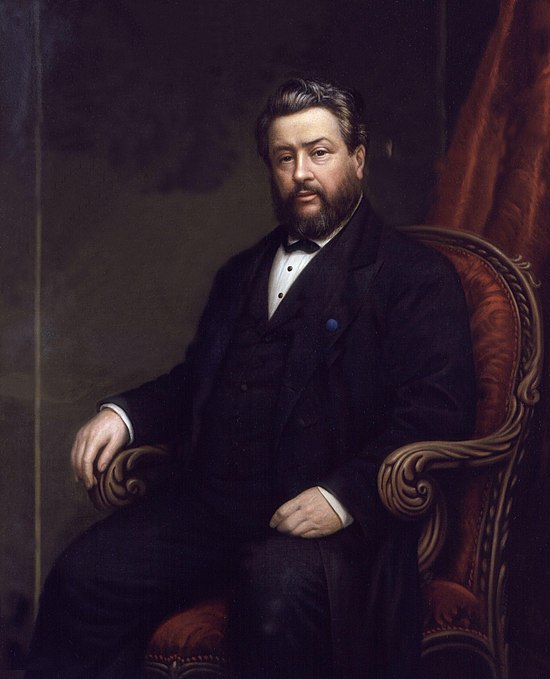
Charles Haddon Spurgeon (19 June 1834 — 31 January 1892) was an English Particular Baptist preacher. His nickname is the "Prince of Preachers."
Broadcaster:

Comments

0 / 2000 characters
Comments are moderated before appearing.

Be the first to comment!

Joshua

Joshua

Shall we play a game? Ask me about articles, sermons, or theology from our library. I can also help you navigate the site.