Colossians 1:13-14, "For He has rescued us from the dominion of darkness, and transferred us into the kingdom of the Son He loves--in whom we have redemption, the forgiveness of sins."
What a glorious declaration of the sovereign grace of God! These verses are a triumphant summary of the believer's salvation: rescued, transferred, redeemed, and forgiven. Each word pulses with divine power, reminding us that salvation is not merely an invitation, but a rescue--a dramatic and decisive act performed by God alone.
First, Paul says, "He has rescued us from the dominion of darkness."
The word rescued implies that we were helpless, enslaved, and hopelessly bound. The dominion of darkness is not a passive condition; it is an active tyranny ruled by Satan, under which we once willingly walked according to the flesh. We did not grope for light; we loved the darkness, because we loved sin (John 3:19). But God, in His sovereign mercy, broke in with light and power, drawing us out of that dreadful bondage--not because of any merit in us, but entirely because of His good pleasure (Ephesians 2:4-5).
Second, "He transferred us into the kingdom of the Son He loves."
We were once children of wrath--now we are citizens of the Kingdom of Christ. We were once alienated from God--now we are accepted in the Beloved. This is the glorious reversal of our spiritual status, wrought entirely by the Father's initiative and affection. The kingdom we now belong to is not ruled by fear or law--but by grace, love, and truth. And this kingdom is centered not around self, but around the Son He loves--the One whom the Father has eternally delighted in, and in whom we now delight.
Third, Paul anchors t
The sermon “The Rescue!” by C. H. Spurgeon addresses the doctrine of salvation through the sovereign grace of God. Spurgeon emphasizes that salvation is a dramatic act where God rescues believers from the "dominion of darkness" and transfers them into the "kingdom of the Son He loves," thereby reversing their spiritual status. He draws upon Colossians 1:13-14 and Ephesians 2:1-5 to illustrate that this transformation is initiated by God's mercy, highlighting that believers are not passive participants but rather recipients of divine action. The practical significance lies in the assurance of full redemption and forgiveness found only in Christ, fostering humility and gratitude among believers as they reflect on their unmerited salvation.
Key Quotes
“These verses are a triumphant summary of the believer's salvation—rescued, transferred, redeemed, and forgiven.”
“We did not grope for light. We loved the darkness because we loved sin.”
“Redemption speaks of a ransom paid, a price given to set captives free.”
“From beginning to end, salvation is the sovereign work of God through His Son.”
The Bible declares that salvation is a sovereign act of God where He rescues believers from darkness and brings them into His kingdom.
According to Colossians 1:13-14, salvation involves God rescuing us from the dominion of darkness and transferring us into the kingdom of His Son. This powerful statement reflects the belief that salvation is not a mere invitation but a divine rescue. We, in our natural state, were helpless and enslaved by sin, eagerly embracing the darkness. Yet God, in His sovereign grace, intervened decisively, not because of any merit on our part, but solely based on His good pleasure and mercy. Paul emphasizes this theme by stating that believers are now redeemed and forgiven in Christ, showcasing the full, final, and irrevocable nature of salvation bestowed upon us through faith in Him.
God's grace is evident in His sovereign rescue of believers, showing that it is more than enough to save us and sustain us.
God's grace is illustrated throughout scripture, particularly in the transformative experience of salvation as found in Ephesians 2:1-5. Here, we see the contrast between our former state of being dead in sin and the new life we receive through God's great love and mercy. His grace acts as the catalyst for our regeneration, illustrating that we are not saved by our works or efforts but by His unmerited favor alone. Through this lens, it becomes clear that God's grace indeed holds the power to rescue and redeem, highlighting that it is sufficient for all our needs, both for salvation and for daily living as His children.
Forgiveness is central to the Christian faith, signifying the complete and unconditional pardoning of our sins through Christ.
Forgiveness is a fundamental aspect of the gospel and is rooted in the redemptive work of Jesus Christ. According to Colossians 1:14, believers enjoy the full forgiveness of sins—past, present, and future—because of Christ's sacrificial death. This complete pardon is not based on our own righteousness but on His perfect obedience and atonement. Understanding this forgiveness is vital for Christians as it assures us of our standing before God, instills a profound sense of gratitude, and impels us to extend grace to others, reflecting the character of Christ in our daily lives. True forgiveness frees us from the chains of guilt and fear, allowing us to walk joyfully in the light of God's acceptance.
Colossians 1:14
Sermon Transcript
Auto-generated transcript • May contain errors

100%
The Rescue by Charles Spurgeon
Colossians chapter 1 verses 13 and 14 For He has rescued us from the dominion of darkness and transferred us into the kingdom of the Son He loves, in whom we have redemption, the forgiveness of sins.
What a glorious declaration of the sovereign grace of God! These verses are a triumphant summary of the believer's salvationâ€" rescued, transferred, redeemed, and forgiven. Each word pulses with divine power, reminding us that salvation is not merely an invitation, but a rescue, a dramatic and decisive act performed by God alone.
First, Paul says, He has rescued us from the dominion of darkness. The word rescued implies that we were helpless, enslaved, and hopelessly bound. The dominion of darkness is not a passive condition. It is an active tyranny ruled by Satan, under which we once willingly walked according to the flesh. We did not grope for light. We loved the darkness because we loved sin. But God, in His sovereign mercy, broke in with light and power, drawing us out of that dreadful bondage, not because of any merit in us, but entirely because of His good pleasure.
Second, He transferred us into the kingdom of the Son He loves. We were once children of wrath. Now we are citizens of the kingdom of Christ. We were once alienated from God. Now we are accepted in the Beloved. This is the glorious reversal of our spiritual status, wrought entirely by the Father's initiative and affection. The kingdom we now belong to is not ruled by fear or law, but by grace, love, and truth. And this kingdom is centered not around self, but around the Son he loves. the one whom the Father has eternally delighted in, and in whom we now delight.
Third, Paul anchors this transfer in the person of Christ, in whom we have redemption, the forgiveness of sins. Redemption speaks of a ransom paid, a price given to set captives free. That price was nothing less than the blood of Christ. Forgiveness of sins is not partial, tentative, or reversible. It is full, final, and forever. Every sin, past, present, and future, has been nailed to the cross, and we bear it no more. We stand pure, justified, and accepted, not by our obedience, but by the obedience and sacrifice of Christ alone.
Let this truth humble you. You did not rescue yourself. You did not transfer yourself. You did not redeem yourself. From beginning to end, salvation is the sovereign work of God through His Son. Let it stir worship in your soul. The dominion of darkness is behind you. The kingdom of Christ is before you. And the forgiveness of sins is yours forever.
Father, thank you for rescuing me from the darkness I loved. and bringing me into the kingdom of your beloved Son. Thank you for redeeming me at such infinite cost and forgiving me fully and freely in Christ. Help me to walk in the light as a grateful subject of Jesus, my glorious King. Amen.
About Charles Spurgeon
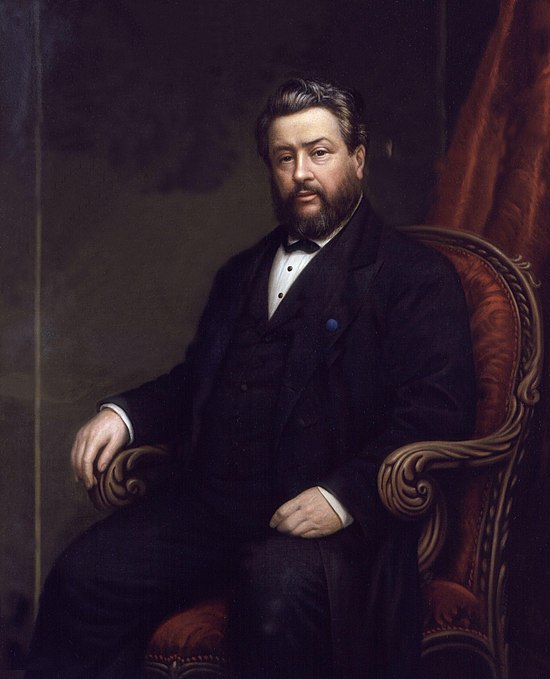
Charles Haddon Spurgeon (19 June 1834 — 31 January 1892) was an English Particular Baptist preacher. His nickname is the "Prince of Preachers."
Pristine Grace functions as a digital library of preaching and teaching from many different men and ministries. I maintain a broad collection for research, study, and listening, and the presence of any preacher or message here should not be taken as a blanket endorsement of every doctrinal position expressed.
I publish my own convictions openly and without hesitation throughout this site and in my own preaching and writing. This archive is not a denominational clearinghouse. My aim in maintaining it is to preserve historic and contemporary preaching, encourage careful study, and above all direct readers and listeners to the person and work of Christ.
Brandan Kraft
0:00 / --:--
Joshua
Joshua
Shall we play a game? Ask me about articles, sermons, or theology from our library. I can also help you navigate the site.
Bible Verse Lookup
Loading today's devotional...
Unable to load devotional.
Select a devotional to begin reading.
Bible Reading Plans
Choose from multiple reading plans, track your daily progress, and receive reminders to stay on track — all with a free account.
Multiple plan options Daily progress tracking Email reminders
Comments
Your comment has been submitted and is awaiting moderation. Once approved, it will appear on this page.
Be the first to comment!