Matthew 12:20, "A bruised reed he will not break, and a smoldering wick he will not snuff out, till he leads justice to victory."
What a portrait this verse paints of our merciful Savior! In just a few words, we see the immeasurable gentleness, patience, and grace of the Lord Jesus Christ toward weak and wounded believers. He is the mighty King, yes--but He is also the tender Shepherd who cares for the frailest of His flock.
The bruised reed is not upright, strong, or fruitful. It is bent, cracked, and seemingly worthless. In the eyes of men, such a reed might as well be discarded. But not so with Jesus. He does not despise the one who has been battered by sin, by sorrow, or by the assaults of Satan. He does not snap the trembling soul in two. Instead, He binds up the broken, strengthens the feeble, and gently restores those who fall.
The smoldering wick is a faint and flickering light. It barely glows, producing more smoke than flame. To the impatient, it would seem easier to extinguish it and replace it altogether. But Jesus does not quench that smoldering wick. He does not despise the believer whose faith is small, whose zeal has grown cold, or whose joy is nearly extinguished. He tenderly breathes life into that little spark, until it becomes a flame again.
This is the heart of our Savior. He does not demand perfect strength or unwavering faith from us--He gives it. "He knows how we are formed, He remembers that we are dust!" (Psalm 103:14). He is drawn to our weakness, not repelled by it. He stoops to lift up the weary. He holds fast to those who can barely hold on to Him.
How can this be? Because He Himself was bruised. As Isaiah 53:5 says, "He was pierced for
The sermon titled "Tenderness of Jesus" by C. H. Spurgeon centers on the doctrine of Christ's compassion for the weak and wounded. Spurgeon emphasizes that Jesus, while being the mighty King, demonstrates unparalleled gentleness and mercy toward frail believers, illustrating this through the imagery of a bruised reed and a smoldering wick as expressed in Matthew 12:20. He argues that Jesus does not reject or extinguish the struggling soul but lovingly restores and revives those who are battered by sin and sorrow, citing Isaiah 53:5 to show that Christ’s own bruising allows Him to heal others. The practical significance of this doctrine underscores that believers can approach Jesus in their weakness, acknowledging their need for His sustaining grace and tender care, especially in times of struggle.
Key Quotes
“He does not despise the one who has been battered by sin, by sorrow, or by the assaults of Satan. He does not snap the trembling soul in two.”
“He does not quench that smoldering wick… He tenderly breathes life into that little spark until it becomes a flame again.”
“He is drawn to our weakness, not repelled by it. He stoops to lift up the weary.”
“Let us come to Him as we are, not pretending to be strong, but confessing our weakness and trusting in His tender mercy.”
The Bible portrays Jesus as gentle and caring, especially towards the weak and wounded, as seen in Matthew 12:20.
The Bible emphasizes the tenderness of Jesus in His interactions with believers, particularly those who are bruised or struggling. Matthew 12:20 highlights His gentleness, stating, 'A bruised reed he will not break, and a smoldering wick he will not snuff out.' This verse underscores how Jesus does not reject the frail or broken but instead offers them grace and restoration. He is portrayed as both a mighty King and a tender Shepherd, actively caring for those who are battered by life's trials, sin, and sorrow.
Moreover, His compassion is evident in His willingness to meet the needs of the weakest among us. He binds up the brokenhearted and breathes life into the faint. Jesus embodies a model of gentleness that believers should emulate in their own lives, demonstrating grace and mercy to those who are struggling. His understanding of our weaknesses only reflects His perfect character, as He remembers that we are dust, drawing near to us when we feel at our lowest.
Jesus is depicted in Scripture as compassionate towards the weak, as seen in Matthew 12:20.
We can know that Jesus cares for the weak through the Biblical portrayal of His character and actions. In Matthew 12:20, He is described as one who does not break a bruised reed or snuff out a smoldering wick. This imagery illustrates His deep compassion and patience towards those who are suffering or faltering in faith. He does not demand perfection from His followers; instead, He embraces our weaknesses and shortcomings, offering us support and restoration.
This truth is bolstered by His own experiences of suffering and brokenness. In Isaiah 53:5, we learn that Jesus was 'pierced for our transgressions' and 'bruised for our iniquities.' His own suffering enables Him to relate to our struggles, and because He Himself has endured the harshness of this world, He is uniquely qualified to offer help to the weak. Therefore, we can trust in His willingness to nurture and revitalize those of us who feel faint or overwhelmed.
Understanding Jesus' tenderness helps Christians grasp His grace and compassion for the broken.
Understanding the tenderness of Jesus is essential for Christians because it shapes our perception of God's character and our relationship with Him. Christ's tenderness reassures us that we are never too weak or broken to approach Him. Rather than reacting with impatience, He offers grace, love, and encouragement to those who struggle with faith or who feel overburdened by life's challenges. When we recognize that the Savior is tenderhearted, we can come to Him freely, without the facade of strength, embracing our vulnerabilities before His mercy.
Moreover, this understanding cultivates an attitude of grace towards others. If we appreciate the way Jesus personally ministers to the bruised reed and the flickering wick, we are called to do likewise in our communities. Thus, the tenderness of Jesus not only assures us of our worth to Him but also compels us to extend that same tenderness and compassion to those around us, reflecting His love in a world that often overlooks the broken.
Matthew 12:20, Psalm 103:14
Sermon Transcript
Auto-generated transcript • May contain errors

100%
the tenderness of Jesus. Charles Spurgeon. Matthew chapter 12 verse 20. A bruised reed he will not break, and a smoldering wick he will not snuff out, till he leads justice to victory. What a portrait this verse paints of our merciful Savior. In just a few words, We see the immeasurable gentleness, patience, and grace of the Lord Jesus Christ toward weak and wounded believers.
He is the mighty King. Yes, but He is also the tender Shepherd who cares for the frailest of His flock. The bruised reed is not upright, strong, or fruitful. It is bent, cracked, and seemingly worthless. In the eyes of men, such a reed might as well be discarded. But not so with Jesus. He does not despise the one who has been battered by sin, by sorrow, or by the assaults of Satan. He does not snap the trembling soul in two. Instead, He binds up the broken, strengthens the feeble, and gently restores those who fall.
The smoldering wick is a faint and flickering light. It barely glows, producing more smoke than flame. To the impatient, it would seem easier to extinguish it and replace it altogether. But Jesus does not quench that smoldering wick. He does not despise the believer whose faith is small, whose zeal has grown cold, or whose joy is nearly extinguished. He tenderly breathes life into that little spark until it becomes a flame again. This is the heart of our Savior. He does not demand perfect strength or unwavering faith from us. He gives it. He knows how we are formed. He remembers that we are dust. He is drawn to our weakness, not repelled by it. He stoops to lift up the weary. He holds fast to those who can barely hold on to Him.
How can this be? Because He Himself was bruised. As Isaiah chapter 53 verse 5 says, He was pierced for our transgressions, He was bruised for our iniquities. Jesus was the perfectly strong one, yet He allowed Himself to be crushed under the wrath of God for our sake. On the cross, the flame of His life was extinguished, that the smoldering wick of our souls might burn eternally in glory. He was broken, that the bruised reed might be spared.
Dear believer, are you feeling bruised today? By your failures, by trials, or by temptations? Are you only a flickering ember, struggling to believe, struggling to love, struggling to hope? then take heart. The one who walks among the lampstands will not snuff out your light. He will tend it. He will fan it. He will make it shine again. Let us come to Him as we are, not pretending to be strong, but confessing our weakness and trusting in His tender mercy. For this Savior never turns away the lowly, the broken, or the faint believer. He lifts them, revives them, and leads them gently, till He leads justice to victory.
Lord Jesus, I praise You for Your gentle and lowly heart. I am often bruised, often faint, yet You do not cast me away. Strengthen what is weak in me. Rekindle the flame of love and faith in my heart. Thank you for your endless patience and mercy. Keep me close to you until the day when faith becomes sight. Amen.
About Charles Spurgeon
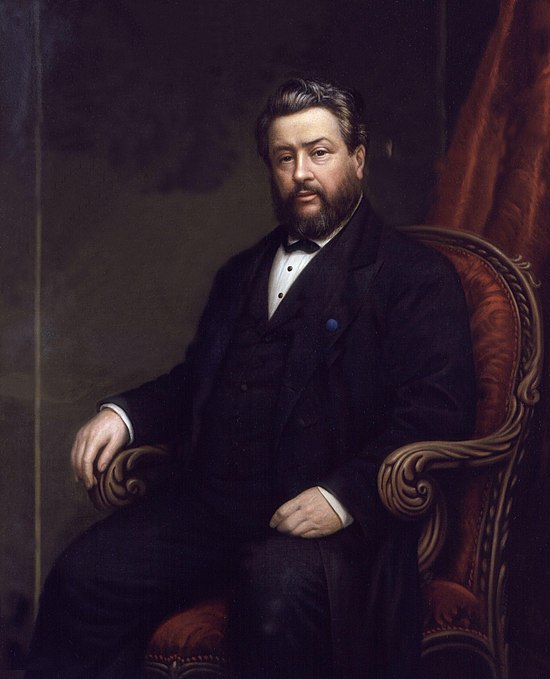
Charles Haddon Spurgeon (19 June 1834 — 31 January 1892) was an English Particular Baptist preacher. His nickname is the "Prince of Preachers."
Pristine Grace functions as a digital library of preaching and teaching from many different men and ministries. I maintain a broad collection for research, study, and listening, and the presence of any preacher or message here should not be taken as a blanket endorsement of every doctrinal position expressed.
I publish my own convictions openly and without hesitation throughout this site and in my own preaching and writing. This archive is not a denominational clearinghouse. My aim in maintaining it is to preserve historic and contemporary preaching, encourage careful study, and above all direct readers and listeners to the person and work of Christ.
Comments
Your comment has been submitted and is awaiting moderation. Once approved, it will appear on this page.
Be the first to comment!