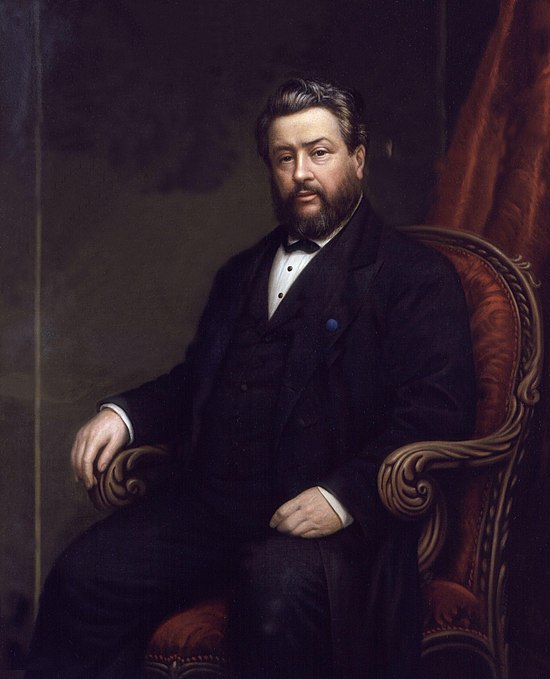
C. H. Spurgeon’s sermon titled "Hollow Religion!" addresses the critical doctrine of true godliness versus mere external forms of religion, highlighting the disparity between professing faith and practicing it. Spurgeon argues that the peril lies in individuals within the church who outwardly display godliness, as seen in 2 Timothy 3:4-5 and Titus 1:16, but fail to embody its transformative power through their lives. These passages reveal that mere verbal profession of faith is insufficient and often masks an allegiance to worldly pleasures instead of God. The sermon emphasizes the necessity of self-examination within the Christian community, as real faith manifests in obedience, love for God, and genuine righteousness. The doctrinal significance lies in the warning against complacency in religion, urging believers to seek authentic relationship with God, which is evidenced by a life of holiness and a heart aligned with Christ.
Key Quotes
“They are not described as atheists or pagans, but as professors of the truth. They are not outside the church, but within its walls.”
“A profession of faith is not the same as possession of faith. Words are cheap.”
“God does not accept empty religiosity. He demands truth in the inward parts.”
“True faith does not just say Jesus is Lord. It bows before Him. It trembles at His Word.”
The Bible warns against having a form of godliness while denying its power, as seen in 2 Timothy 3:4-5.
In 2 Timothy 3:4-5, the apostle Paul describes individuals who exhibit a form of godliness yet lack the transformative power of God. These are not atheists or outsiders but those within the church who profess faith while their lives reflect love for pleasure over love for God. They may have the language and rituals of faith, but their actions betray a profound estrangement from the true essence of godliness. Such hollow religion is a warning to believers to ensure that their faith is not merely outwardly expressed but genuinely rooted in a relationship with God.
2 Timothy 3:4-5, Titus 1:16
True faith is evidenced by a life that bears the marks of obedience and love for Jesus, according to Titus 1:16.
Titus 1:16 highlights the stark reality that merely professing to know God is not sufficient; many who claim to be followers of Christ live in a way that denies Him through their actions. Genuine faith produces transformation, leading individuals to live obediently and reflect the glory of God in their lives. A true believer, filled with the Holy Spirit, no longer seeks to indulge in sin or pursue worldly pleasures but is committed to righteousness and the fulfillment of God's Word. Therefore, genuine faith is not just an intellectual assent but an active demonstration of love and obedience to Jesus.
Titus 1:16
Avoiding hollow religion is crucial because it risks spiritual estrangement from God and leads to eternal consequences.
Hollow religion poses a severe threat to the integrity of one’s faith. As noted in 2 Timothy 3:4-5, having the appearance of godliness without its transformative power can deceive individuals into thinking they are fine spiritually when, in fact, they may be estranged from God. Such false security can have dire eternal consequences, as illustrated by Jesus' warning that many will profess His name but will be rejected on the last day due to their lack of true obedience and love for Him. Christians must earnestly seek a genuine relationship with God and ensure their faith is rooted in active obedience and love, rather than mere outward practices.
2 Timothy 3:4-5, Matthew 7:23
True believers are characterized by their obedience, pursuit of righteousness, and a heartfelt love for Jesus.
The true believer's life will manifest distinct marks of faith, including submission to Christ, genuine love for God, and a commitment to righteousness. A life transformed by the Holy Spirit demonstrates the fruits of faithfulness, obedience, and a desire to reflect Christ’s character. This is starkly contrasted with those who merely profess faith without the evidence of having been transformed by God's grace. The essence of true faith is not just in verbal acknowledgment but in living a life that testifies to one's relationship with Jesus, pursuing holiness and devoting oneself to God's will as outlined in Scripture.
Galatians 5:22-23, James 2:19
Comments
Your comment has been submitted and is awaiting moderation. Once approved, it will appear on this page.
Be the first to comment!
