Bootstrap
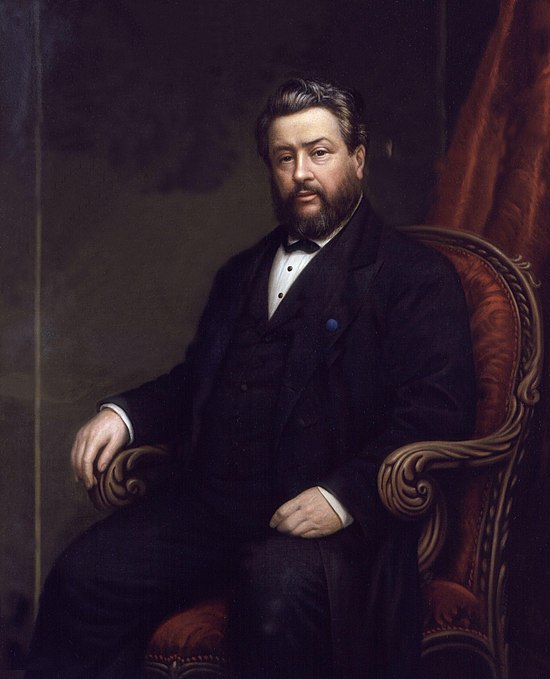
Charles Spurgeon

God hates the sin, but loves the sinner

Ephesians 5:6; Romans 9:22
Charles Spurgeon April, 22 2025 Audio
0 Comments
You have heard people say: "God hates the sin, but loves the sinner."
That is a lie! He does not love the sinner who continues in his sin.

One of the most cherished delusions of modern Christendom is the sentiment that "God hates the sin, but loves the sinner." This phrase is often quoted as though it were Scripture--yet not only does it appear nowhere in the Bible, it stands in direct contradiction to what God Himself declares. It is a subtle but deadly falsehood that seeks to soften the solemn reality of God's wrath against the ungodly, and it distorts His holy character.
The Bible does not teach that God is angry merely at the sin in some abstract, impersonal way. Rather, Scripture consistently affirms that God is angry with the sinner himself. The sin has no existence, apart from the one who commits it. A theft has no moral quality, without a thief. Adultery does not happen, apart from an adulterer. It is the sinner--the moral agent who rebels against his Creator, who is the object of God's holy hatred and righteous indignation.
This is not conjecture--it is clearly and repeatedly taught in the Word of God:
"Because they did all these things, I abhorred them!" Leviticus 20:23
"I will destroy your high places, cut down your incense altars and pile your dead bodies on the lifeless forms of your idols, and I will abhor you." Leviticus 26:30
"And when the LORD saw it, He abhorred them!" Deuteronomy 32:19
"God is angry with the wicked every day!" Psalm 7:11
"You hate all workers of iniquity . . . The Lord abhors murderers and deceitful men!" Psalm 5:5, 6
"The LORD examines the righteous, but the wicked and those who love violence, His soul hates. On the wicked He wi

In C. H. Spurgeon's sermon, "God Hates the Sin, but Loves the Sinner," the primary theological topic addressed is the nature of God's relationship with sinners in light of His holiness and wrath. Spurgeon argues against the popular maxim that God loves the sinner while hating the sin, emphasizing that this concept undermines the gravity of divine judgment and misrepresents God's character. He supports his position by referencing multiple Scriptures, including Ephesians 5:6, Romans 9:22, and various psalms, which collectively emphasize God's righteous anger towards sinners and the futility of separating sin from the sinner. The practical significance of this doctrine lies in acknowledging the true nature of God's holiness and justice, which should lead the believer to a deeper understanding of grace and the necessity of faith in Christ as the only means of escaping divine wrath.

Key Quotes

“One of the most cherished delusions of modern Christendom is the sentiment that God hates the sin but loves the sinner.”

“It is the sinner, the moral agent who rebels against his Creator, who is the object of God's holy hatred and righteous indignation.”

“God's love is not universal and unconditional toward the unrepentant. Rather, His love is holy, particular, and effectual, reserved for those who are united to Christ by faith.”

“Let this truth drive us to reverent fear, deep repentance, and heartfelt gratitude for the sovereign grace that alone delivers sinners from the just wrath of a holy God.”

What does the Bible say about God's love for sinners?

The Bible teaches that God's love is not universal for all sinners but is specifically for those who are united to Christ by faith.

The notion that God loves the sinner while hating the sin is a misleading sentiment often propagated in modern Christianity. Scripture explicitly states that God is not indifferent to the sinner's rebellion; rather, He abhors the wicked and is angry with them daily. For instance, passages such as Psalm 5:5 affirm that 'the Lord hates all workers of iniquity.' This reveals that God's wrath is directed towards the sinner as a moral agent, not just towards the sin itself. Therefore, God's love is not a blanket acceptance of all but a particular and effectual love for those who repent and believe in Jesus Christ.

Psalm 5:5, Romans 1:18, John 3:36

How do we know God's wrath is upon the sinner?

The Bible consistently affirms that God's wrath remains on those who are disobedient and reject His Son.

God's wrath against sinners is a recurrent theme throughout both the Old and New Testaments. Romans 1:18 states, 'The wrath of God is revealed from heaven against all ungodliness and unrighteousness of men.' Additionally, John 3:36 declares that 'whoever believes in the Son has eternal life; whoever does not obey the Son shall not see life, but the wrath of God remains on him.' This illustrates that those who remain in their unrepentant state are under the just judgment of God. The biblical witness provides a sobering reminder that every sinner who does not turn to Christ faces divine wrath.

Romans 1:18, John 3:36, Ephesians 5:6

Why is fleeing to Christ important for salvation?

Fleeing to Christ is essential for salvation as He is the only refuge from divine judgment.

In the context of God's wrath against sin, the only hope for a sinner lies in turning to Jesus Christ. The doctrine emphasizes that apart from Christ, sinners are helpless and remain under God's just condemnation. As Spurgeon eloquently states, imagining that God loves the sinner as they are is dangerous; it is only through faith in Christ that one can find shelter from God's wrath. In Him, there is a covering for sin and a means of escaping the inevitable judgment. Those united to Christ are assured of God's particular and holy love, which protects them from condemnation and grants them eternal life.

Romans 8:1, Acts 4:12, John 14:6

Sermon Transcript

Auto-generated transcript • May contain errors

100%
God hates the sin but loves the sinner. By Charles Spurgeon.

You have heard people say, God hates the sin but loves the sinner. That is a lie. He does not love the sinner who continues in his sin.

One of the most cherished delusions of modern Christendom is the sentiment that God hates the sin but loves the sinner. This phrase is often quoted as though it were scripture, yet not only does it appear nowhere in the Bible, it stands in direct contradiction to what God himself declares. It is a subtle but deadly falsehood that seeks to soften the solemn reality of God's wrath against the ungodly, and it distorts his holy character.

The Bible does not teach that God is angry merely at the sin in some abstract, impersonal way. Rather, Scripture consistently affirms that God is angry with the sinner himself. The sin has no existence, apart from the one who commits it. A theft has no moral quality without a thief. Adultery does not happen, apart from an adulterer. It is the sinner, the moral agent who rebels against his Creator, who is the object of God's holy hatred and righteous indignation.

This is not conjecture. It is clearly and repeatedly taught in the Word of God.

Because they did all these things, I abhorred them. I will destroy your high places, cut down your incense altars, and pile your dead bodies on the lifeless forms of your idols, and I will abhor you. And when the Lord saw it, He abhorred them. God is angry with the wicked every day. You hate all workers of iniquity. The Lord abhors murderers and deceitful men. The Lord examines the righteous, but the wicked and those who love violence His soul hates. On the wicked He will rain fiery coals and burning sulfur. A scorching wind will be their lot. The Lord detests all the proud of heart. Be sure of this. They will not go unpunished. The Lord is a jealous and avenging God. The Lord takes vengeance and is filled with wrath. The Lord takes vengeance on His foes and maintains His wrath against His enemies. Whoever rejects the Son will not see life, for God's wrath remains on him. But for those who are self-seeking and who reject the truth and follow evil, there will be wrath and anger. What if God, choosing to show His wrath and make His power known, bore with great patience the objects of His wrath, prepared for destruction? Let no one deceive you with empty words, for because of such things God's wrath comes on those who are disobedient.

These are not isolated statements, but the consistent witness of both Old and New Testaments. God is not some indifferent observer who frowns at sin, but smiles upon the sinner. No, He is the righteous judge who abhors both the crime and the criminal. The sinner, if he continues in rebellion and impenitence, is storing up divine wrath for the day of judgment.

This doctrine is both humbling and sobering. It strips away the flattering lies of man-exalting theology and forces us to see God as He truly is, perfectly holy, righteously angry, and altogether just. It shows us that the only hope for the sinner lies not in imagining that God loves him just the way he is, but in fleeing to the only refuge provided, the Lord Jesus Christ. Apart from Him, every sinner remains under wrath.

God's love is not universal and unconditional toward the unrepentant. Rather, His love is holy, particular, and effectual, reserved for those who are united to Christ by faith. Outside of Him, there is no shelter from the storm of divine judgment.

Let no one be deceived. God does not love those who hate His Son. His wrath abides on them still. Let this truth drive us to reverent fear, deep repentance, and heartfelt gratitude for the sovereign grace that alone delivers sinners from the just wrath of a holy God.
Charles Spurgeon
About Charles Spurgeon
Charles Haddon Spurgeon (19 June 1834 — 31 January 1892) was an English Particular Baptist preacher. His nickname is the "Prince of Preachers."
Broadcaster:

Comments

0 / 2000 characters
Comments are moderated before appearing.

Be the first to comment!

15
Joshua

Joshua

Shall we play a game? Ask me about articles, sermons, or theology from our library. I can also help you navigate the site.