Bootstrap
Charles Spurgeon

The cross is not a fashion statement!

1 Peter 2:24; Galatians 3:13
Charles Spurgeon February, 18 2025 Audio
0 Comments
1 Peter 2:24, "He Himself bore our sins in His body on the tree!"

The cross is the symbol of the shame and suffering of Jesus' crucifixion.

Wearing a cross as a mere piece of jewelry, is a form of sacrilege--reducing the sacred symbol of Christ's sin-atoning sacrifice to a mere ornament. The cross is not a fashion statement, but the emblem of our Lord's suffering and death. To treat it lightly, is to trample upon the solemn truths of Calvary, where the Son of God bore the wrath of the Father in the place of His elect people. Such careless use dishonors the gospel, making what is holy into something trivial.

However, if one wears the cross as a means of confessing Jesus before men and remembering His redeeming work, then it may serve as a constant reminder of the believer's call to take up his own cross daily in humble submission to the Lord. But to wear it in vanity, devoid of true devotion--is to mock the very blood by which sinners are saved.

The danger of wearing a cross as a mere trinket, lies in the heart's posture toward Christ and His sin-atoning death. If the cross is worn thoughtlessly, as a token of worldly fashion--then it is emptied of its meaning and treated with irreverence. The cross is the throne of the crucified King, where divine justice and mercy met, where Christ bore the curse of the law on behalf of His people. To wear it frivolously, without submission to the One who hung upon it, is to rob it of its solemnity and turn it into an object of vanity. True reverence for the cross of Jesus is not found in its outward display, but in a heart humbled before God, clinging to the crucified Savior in faith. Let us, then, honor the cross--not merely in app

In his sermon "The Cross is Not a Fashion Statement," C. H. Spurgeon addresses the significance of the cross in the Christian faith, emphasizing its role as a symbol of Christ’s suffering and the believer’s call to discipleship. He argues that wearing the cross solely as a piece of jewelry diminishes its profound meaning, as the cross embodies not just decoration but the weight of Christ's sacrifice for humanity's sins. Spurgeon references Galatians 3:13 and 1 Peter 2:24 to underscore that Christ became a curse for believers, bearing their sins on the cross, and asserts that true reverence for the cross can only be demonstrated through a life of obedience and genuine faith, not through mere outward displays. The practical significance lies in the call for believers to embody the essence of the cross in their daily lives, rejecting superficiality and embracing the transformative power of Christ's atonement.

Key Quotes

“The cross is not a fashion statement, but the emblem of our Lord's suffering and death.”

“To wear it frivolously, without submission to the one who hung upon it, is to rob it of its solemnity and turn it into an object of vanity.”

“The true Christian does not seek to adorn himself with symbols of the Gospel, while living in contradiction to its demands.”

“If the cross is to be displayed, let it be shown in our conduct, our speech, our affections, and our devotion to the one who bore it in our place.”

What does the Bible say about the significance of the cross?

The cross represents Christ's suffering and our redemption from the curse of the law.

The cross is not just a symbol, but the embodiment of Jesus' suffering and the price of our redemption. As stated in Galatians 3:13, Christ redeemed us from the curse of the law by becoming a curse for us, an act of profound love and sacrifice. Similarly, 1 Peter 2:24 underscores that He bore our sins in His body on the tree, illustrating that the cross is the ultimate demonstration of God's mercy and grace towards His elect people. This makes the cross central to the Gospel and to the believer's life, calling for reverence and obedience rather than mere decoration.

Galatians 3:13, 1 Peter 2:24

Why is it wrong to wear a cross as a fashion statement?

Wearing a cross as jewelry trivializes the sacrificial meaning behind it.

Wearing the cross merely as jewelry diminishes its sacred significance, transforming it into a trivial accessory rather than a representation of Christ's sacrifice. When treated lightly, it disrespects the grave truths associated with Calvary—the death of the Son of God to bear the wrath of the Father for our sins. This misuse reflects a heart posture that may not fully grasp or honor the reality of Christ's atonement. To wear the cross frivolously is to rob it of its meaning and ignore the call to live a life of repentance and submission to Christ's Lordship.

Galatians 3:13, 1 Peter 2:24

How do we demonstrate true reverence for the cross?

True reverence for the cross is shown through a humble heart and life of obedience.

Demonstrating true reverence for the cross goes beyond mere physical representation; it is rooted in a heart that is humble before God. As believers, we are called to take up our own cross daily, denying ourselves and following Christ—not just in outward displays but through an authentic life marked by repentance and gratitude for God's saving grace. This reverence asks for a transformation where one's life reflects the character and obedience of Christ, effectively showing that the power of the cross is not only a truth we profess but one we embody. It is through the cross that we are reminded of our calling to die to self and live for Him.

Galatians 3:13, 1 Peter 2:24

Sermon Transcript

Auto-generated transcript • May contain errors

100%
The cross is not a fashion statement. Christ redeemed us from the curse of the law by becoming a curse for us, for it is written, Cursed is everyone who is hung on a tree. Galatians 3.13 He himself bore our sins in his body on the tree. 1 Peter 2.24

The cross is the symbol of the shame and suffering of Jesus' crucifixion. Wearing a cross as a mere piece of jewellery is a form of sacrilege, reducing the sacred symbol of Christ's sin-atoning sacrifice to a mere ornament. The cross is not a fashion statement, but the emblem of our Lord's suffering and death. To treat it lightly is to trample upon the solemn truths of Calvary, where the Son of God bore the wrath of the Father in the place of His elect people. Such careless use dishonours the Gospel, making what is holy into something trivial.

However, if one wears the cross as a means of confessing Jesus before men and remembering his redeeming work, then it may serve as a constant reminder of the believer's call to take up his own cross daily in humble submission to the Lord. But to wear it in vanity, devoid of true devotion, is to mock the very blood by which sinners are saved.

The danger of wearing a cross as a mere trinket lies in the heart's posture toward Christ and his sin-atoning death. If the cross is worn thoughtlessly as a token of worldly fashion, then it is emptied of its meaning and treated with irreverence. The cross is the throne of the crucified king, where divine justice and mercy met, where Christ bore the curse of the law on behalf of his people. To wear it frivolously, without submission to the one who hung upon it, is to rob it of its solemnity and turn it into an object of vanity.

True reverence for the cross of Jesus is not found in its outward display, but in a heart humbled before God, clinging to the crucified Saviour in faith. Let us then honour the cross, not merely in appearance, but in a life marked by repentance, obedience and gratitude for the saving grace of God.

Furthermore, the misuse of the cross as a mere decoration reflects the natural tendency of sinful man to desire the external symbols of Christianity, without submitting to its inward reality. Just as Israel was chastised for honouring God with their lips while their hearts were far from Him, so too does the thoughtless display of the cross betray a hollow profession of faith. The cross is a call to die to self, to forsake the world, and to follow Christ in true discipleship. When worn without conviction, it becomes an empty emblem, stripped of its significance and reduced to an idol of sentimentality.

But for those who bear it in sincerity, not just around their necks, but upon their very lives, the cross is a reminder of the Gospel's transforming power. let us not trivialise that which cost our Saviour his precious blood, but instead may we live as those who have been crucified with Christ, boasting in his sin-atoning work alone.

The commercialisation of the cross further exposes the heart's tendency to trivialise what is sacred, In a world that exalts self and despises true godliness, the cross is often stripped of its meaning and viewed as a mere fashion accessory, void of the suffering and shame that it represents. The cross is the instrument of Christ's agony, the altar where the Lamb of God was slain for the sins of his people. To wear it without reverence, without a life of repentance and faith, is to treat the death of Christ as something mundane. May we never reduce the cross to a lifeless trinket, but instead bear it with fear and trembling, knowing that it is through the cross of Jesus alone that we have been brought from damnation to salvation. To truly honour the cross, one must not merely wear it, but bear it.

Christ himself declared, whoever wants to be my disciple must deny themselves, and take up their cross daily, and follow me. This is not a call to outward religious displays, but to a life marked by self-denial, suffering for righteousness, and obedience to the will of God.

A cross around the neck is a form of sacrilege, if the heart remains unyielding to Christ. The true Christian does not seek to adorn himself with symbols of the Gospel, while living in contradiction to its demands, but rather takes up his cross in daily submission, counting all things lost for the sake of knowing Christ.

If the cross is to be displayed, let it be shown in our conduct, our speech, our affections, and our devotion to the one who bore it in our place. Let us tremble at the thought of treating it as a mere fashion accessory, and instead live as those who have been purchased by its power, bearing its reproach with joy, until we see our crucified and risen Lord face to face
Charles Spurgeon
About Charles Spurgeon
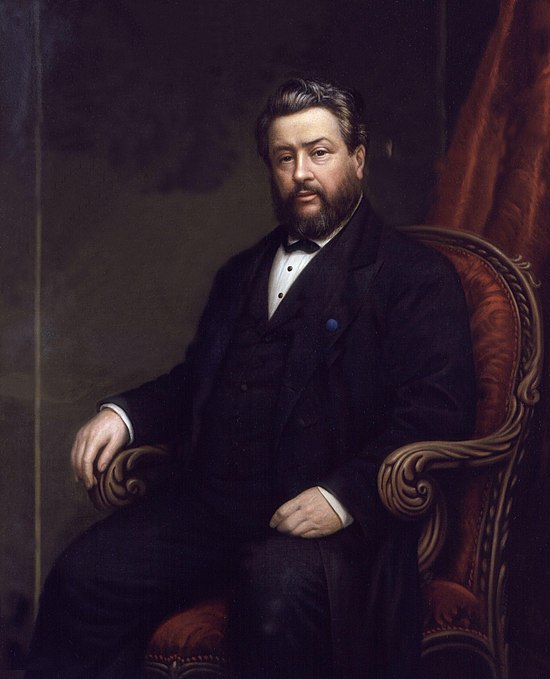
Charles Haddon Spurgeon (19 June 1834 — 31 January 1892) was an English Particular Baptist preacher. His nickname is the "Prince of Preachers."
Broadcaster:

Comments

0 / 2000 characters
Comments are moderated before appearing.

Be the first to comment!

5
Joshua

Joshua

Shall we play a game? Ask me about articles, sermons, or theology from our library. I can also help you navigate the site.