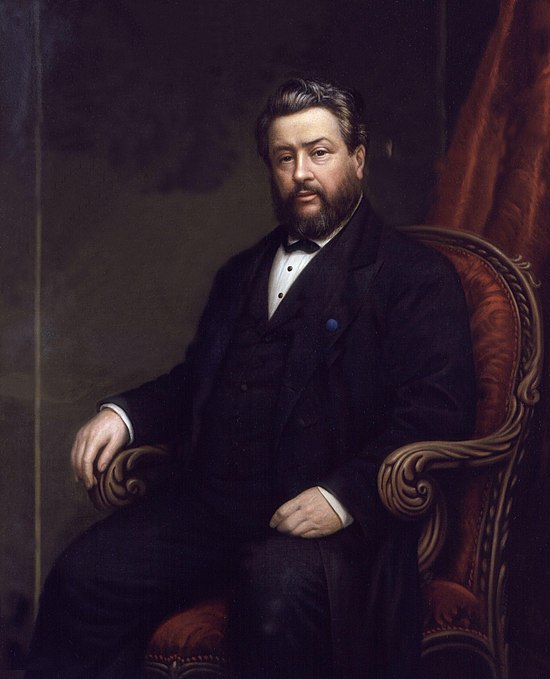
In his sermon "Obnoxious to God, Corrupt, and Abominable," C. H. Spurgeon addresses the depravity of humanity and the profound nature of God's love. He articulates that, apart from Christ, all individuals are spiritually corrupt and deserving of wrath as highlighted in Ephesians 2:3-5. Spurgeon emphasizes that God's love is not contingent upon human worthiness, as illustrated in Romans 5:8, where Christ died for sinners. The sermon underscores the Reformed doctrine of total depravity, the unconditional nature of God's love, and the workings of the Trinity in salvation—specifically, how love redeems, regenerates, and preserves believers. This message holds significant practical implications, reassuring believers of the steadfastness of God's love despite human sinfulness.
Key Quotes
“We were so destroyed by sin, that we were like men who had rotted in a pit and were corrupt, for sin is a foul putrefaction of our nature.”
“To love us when there was no good in us, but every evil in us... is worthy of the infinite heart of God.”
“The Father's love chose us. The Son's love redeemed us. The Spirit's love regenerated us and irresistibly drew us to the Savior's cross.”
“Beloved, the love of God to you has never changed. He could not love you more, and He will not love you less.”
The Bible reveals that God's love for sinners is profound and unconditional, as seen in Romans 5:8 and Ephesians 2:4-5.
The Bible underscores the magnitude of God's love for sinners, articulating that while we were still in our sin, Christ died for us (Romans 5:8). This foundational truth highlights the unwarranted nature of God's love—His willingness to offer salvation to those who are inherently corrupt and unlovable. Ephesians 2:4-5 further illustrates this by conveying that God, being rich in mercy, acted out of love to make us alive together with Christ even when we were dead in our transgressions.
This love is not simply a sentiment but a divine action that moves toward reconciliation and redemption. God's love, which had no cause except His own infinite nature, devises a way to rescue us from spiritual death and corruption. By understanding the depth and purpose of God's love, Christians can find assurance and hope, knowing they are esteemed in His eyes despite their former state of wretchedness.
Romans 5:8, Ephesians 2:4-5
We know we are saved by grace through the evidence of God's love and the work of Christ on the cross.
The assurance of salvation by grace stems from the clear biblical testimony that God demonstrates His love for us through the sacrificial death of Christ. Romans 5:8 states that Christ died for us while we were still sinners, affirming that our salvation is not based on our merit but solely on His grace. This grace illustrates God's divine initiative, emphasizing that He acts first in His love towards us (Ephesians 2:4-5).
Additionally, believers are assured of their salvation through the workings of the Holy Spirit, who regenerates and draws us to experience God’s love. This process is a work of grace from beginning to end—illustrated beautifully in the classic Reformed understanding of salvation. The evidence of transformation in the life of a believer and the continual witness of the Spirit confirms that grace is the means by which we are saved, reinforcing our hope and trust in God's promises.
Romans 5:8, Ephesians 2:4-5
Understanding God's love is vital for Christians as it assures them of their identity and security in Him.
For Christians, grasping the depth of God's love is crucial for their spiritual health and confidence in their relationship with Him. This understanding helps to anchor their identity in the truth that they are loved despite their flaws and failures, as outlined in 1 John 4:10, which states that God loved us first and sent His Son as an atoning sacrifice. Knowing that God's love is unwavering and eternal provides a firm foundation for believers to live and walk in faith.
Moreover, comprehending the breadth of God's love encourages believers to respond in gratitude and worship, fueling a desire to reflect that love towards others. This love is not abstract but is deeply personal, as illustrated in Ephesians 3:18-19, where Paul prays for believers to grasp how wide and deep the love of Christ is. Understanding God's love transforms our lives, motivating us to pursue holiness and a deeper relationship with Him, thereby impacting how we interact with the world around us.
1 John 4:10, Ephesians 3:18-19
Comments
Your comment has been submitted and is awaiting moderation. Once approved, it will appear on this page.
Be the first to comment!
