Bootstrap
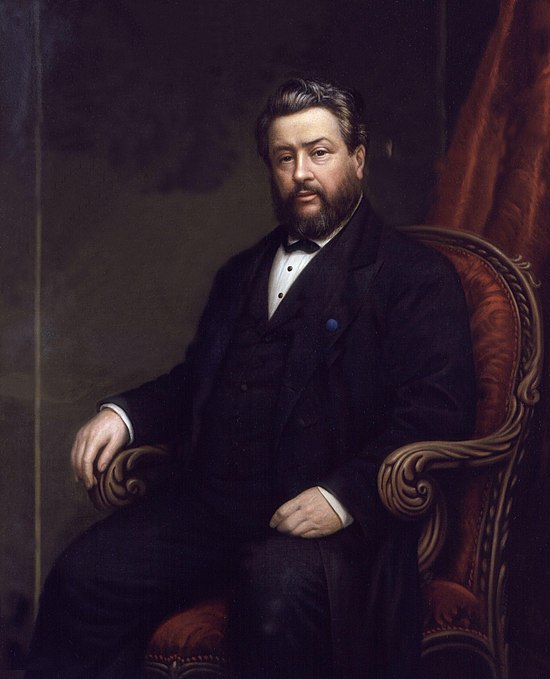
Charles Spurgeon

The golden thread of grace!

Ephesians 2:8-9; Titus 3:5
Charles Spurgeon November, 18 2024 Audio
0 Comments
Another Spurgeon gem on God's saving grace!

The sermon "The Golden Thread of Grace" by C. H. Spurgeon addresses the central Reformed doctrine of salvation by grace through faith, highlighting the unmerited nature of God's grace in the salvation of sinners. Spurgeon emphasizes that every aspect of salvation—from election to justification—is rooted in divine grace, negating any notion of human merit. He references Ephesians 2:8-9 to underscore that salvation is strictly a gift from God, not a result of works, while also citing Titus 3:5 to assert that God's mercy is the basis of our redemption. The practical significance of this doctrine is the assurance it provides believers that their salvation rests solely on God's grace, eliminating any grounds for boasting and reinforcing the need for complete dependence on God's mercy.

Key Quotes

“Grace is the fountainhead of salvation and is most conspicuous throughout every aspect of it.”

“We stand before God as condemned criminals when we come to him for mercy.”

“Boasting is excluded because deservings are excluded. Merit is an unknown word in the Christian vocabulary.”

“By the grace of God, I am what I am.”

What does the Bible say about grace in salvation?

The Bible teaches that salvation is through grace alone, as emphasized in Ephesians 2:8-9.

The Scriptures affirm that grace is the fundamental principle of salvation. In Ephesians 2:8-9, it states, 'For by grace you have been saved through faith, and that not of yourselves; it is the gift of God, not of works, lest anyone should boast.' This demonstrates that grace is unmerited favor from God, reminding us that salvation cannot be earned through works but is a divine gift. Additionally, in Titus 3:5, it is highlighted that God saves us not because of righteous things we have done, but because of His mercy, reinforcing the centrality of grace in every aspect of salvation.

Ephesians 2:8-9; Titus 3:5

How do we know that grace is essential for salvation?

Grace is essential for salvation as affirmed in Scripture, where no one can earn God's favor.

The essentiality of grace in salvation is rooted in the character of God and the condition of humanity. Romans 3:10 declares that no one is righteous, not even one, indicating that every person stands condemned before God. The doctrine of grace assures us that despite our sinfulness, God extends His love and favor without regard to our deservings. As Spurgeon explains, even our election and justification are by grace, indicating that grace envelops the entirety of our salvation journey. Therefore, it is through grace that we have hope, relying solely on God's mercy rather than our efforts.

Romans 3:10, Ephesians 2:8-9, Titus 3:5

Why is it important for Christians to understand grace?

Understanding grace is crucial as it eliminates boasting and acknowledges God's sovereign mercy.

For Christians, grasping the concept of grace holds immense significance as it shapes our relationship with God and our understanding of salvation. If grace is the foundation, then boasting is inherently excluded, as Paul reminds us in Ephesians 2:9. This understanding propels us to live in humility, recognizing that our salvation is a gift rather than an achievement. Moreover, acknowledging grace informs our identity in Christ, as we realize that apart from His unmerited favor, we have no standing before God. Grasping grace leads to gratitude, a desire to share the gospel, and fosters a deeper adoration for God’s merciful nature.

Ephesians 2:8-9; Titus 3:5

Sermon Transcript

Auto-generated transcript • May contain errors

100%
The Golden Thread of Grace by Charles Spurgeon
Ephesians Chapter 2 Verse 8

By grace are you saved. Besides His grace, God manifests His other divine attributes in the salvation of every sinner. The wisdom of God devised the plan of salvation. The power of God executes in us the work of salvation. The immutability of God preserves and carries on salvation. In fact, all the attributes of God are magnified in the salvation of a sinner.

But at the same time, the text is most accurate, since grace is the fountainhead of salvation and is most conspicuous throughout every aspect of it. Grace is to be seen in our election, for there is a remnant according to the election of grace, and if by grace, then it is no more of works. Grace is manifestly revealed in our redemption. It is utterly inconceivable that any soul could have deserved to be redeemed with the precious sin-atoning blood of Christ. The mere thought is abhorrent to every holy mind.

Our effectual calling is also of grace, for He has saved us and called us with a holy calling, not according to our works, but according to His own purpose and grace, which was given to us in Christ Jesus before the world began. By grace also we are justified. Over and over again, the apostle insists upon this grand and fundamental truth. We are not justified before God by our works, in any measure, but by faith alone.

We see the golden thread of grace running through the whole of the Christian's history, from his election before all worlds to his admission into heaven's glory. There is no point in the history of a saved soul upon which you can put your finger and say. In this instance, he is saved by his own deservings. Every single blessing which we receive from God comes to us by the channel of free grace alone. Boasting is excluded because deservings are excluded. Merit is an unknown word in the Christian vocabulary.

By grace are you saved. This clear and unqualified statement sweeps away all supposition of any deserving on our part or any thought of our meriting salvation. We stand before God as condemned criminals when we come to him for mercy. We are already lost, already condemned, and our only course is to cast ourselves upon the sovereign mercy of God.

By grace are you saved. This is true of every saint on earth and every saint in heaven. It is altogether true and without a single exception. No man is saved except as the result of the free grace and unbought mercy of God. We are entirely and altogether saved because the Lord will have mercy on whom he will have mercy and he wills to bestow his favor on unworthy men.

Though I am as repulsive as the devil with sin, and as vile as the devil with innate depravity, yet if the Lord looked upon me in mercy, He would forgive my every sin, and change my nature, and make me as bright a seraph as Gabriel before His throne. He saved us, not because of righteous things we had done, but because of His mercy. Titus chapter 3, verse 5.

By the grace of God, I am what I am.
Charles Spurgeon
About Charles Spurgeon
Charles Haddon Spurgeon (19 June 1834 — 31 January 1892) was an English Particular Baptist preacher. His nickname is the "Prince of Preachers."
Broadcaster:

Comments

0 / 2000 characters
Comments are moderated before appearing.

Be the first to comment!

61
Joshua

Joshua

Shall we play a game? Ask me about articles, sermons, or theology from our library. I can also help you navigate the site.