Bootstrap
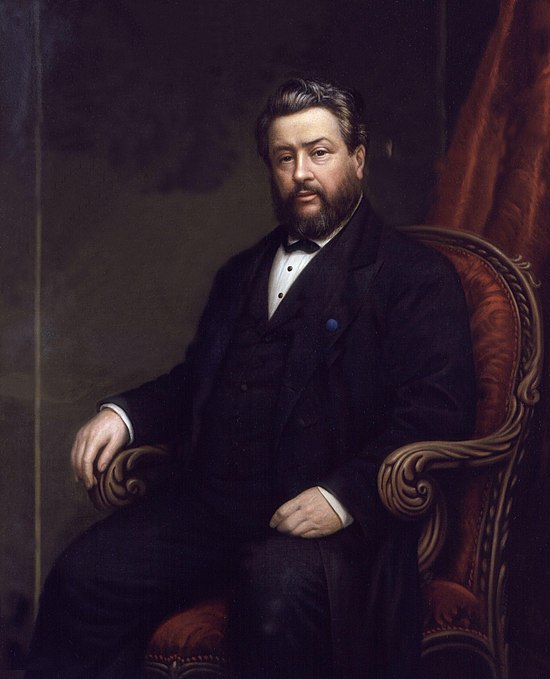
Charles Spurgeon

Sin always hunts in packs!

Colossians 3:5; Romans 8:13
Charles Spurgeon November, 13 2024 Audio
0 Comments
Another helpful and challenging gem by Charles Spurgeon!

C. H. Spurgeon's sermon "Sin always hunts in packs!" addresses the doctrine of original sin and its pervasive consequences, emphasizing that one sin can lead to a multitude of others. He argues that just as Adam's initial disobedience resulted in the fall of humanity, so too can any single sin lead to further transgressions, ultimately harming individuals and communities alike. Spurgeon utilizes Scripture references from Colossians 3:5 and Romans 8:13 to underscore the necessity of mortifying sin, illustrating the principle that indulging in one sin permits the infiltration of many more. The practical significance of this teaching lies in the call for Christians to remain vigilant against sin, fight against its allure, and remember the severity of sin in light of Christ’s sacrificial love, urging believers to treat their sin with the utmost seriousness as they seek holiness.

Key Quotes

“One sin ruined our whole race. One fruit plucked from the forbidden tree hurled mankind from his pristine glory.”

“One sin never comes alone. Sin always hunts in packs.”

“There are no little sins. They appear small in their infancy, but they will be giants when they come to their full growth.”

“Let Calvary be the gallows of all your sins.”

What does the Bible say about the nature of sin?

The Bible teaches that sin is inherently destructive and multiplies when indulged.

Sin is not merely an isolated act but a corrupting influence that leads to further transgressions. As described in Colossians 3:5 and Romans 8:13, we are called to put to death what is earthly in us, indicating the serious nature of sin's impact. One act of disobedience, such as Adam's in the Garden of Eden, initiated a cascade of consequences that have affected all of humanity since then. It is important to recognize that sin is akin to a disease that spreads; one small infection can lead to widespread illness in the soul.

Colossians 3:5, Romans 8:13

How do we know original sin is true?

The doctrine of original sin is supported by Scripture, highlighting its universal impact on humanity.

The concept of original sin is rooted in biblical teaching that illustrates how one transgression brought about the fall of mankind, as depicted in Genesis. Romans 5:12 explains that through one man sin entered the world, affecting all people. This foundational doctrine is essential for understanding the pervasive nature of sin and its consequences throughout history. The effects of original sin, observed in the brokenness of creation and human relationships, provide a compelling affirmation of its truth.

Romans 5:12

Why is mortifying sin important for Christians?

Mortifying sin is vital as it safeguards spiritual health and honors Christ's sacrifice.

As Christians, we are called to actively combat sin within our lives as a response to Christ's love and sacrifice. The scripture urges believers to put sin to death, recognizing that even small sins, if left unchecked, can lead to greater transgressions. This call to mortification reflects our commitment to living in a way that glorifies God and acknowledges the cost of our redemption. When we grasp the depth of Christ's love for us, illustrated by His suffering, it motivates us to pursue holiness and reject any sin that seeks to harm our relationship with Him.

Colossians 3:5, Romans 8:13

What harm does allowing sin to grow in our lives cause?

Allowing sin to persist can lead to a multitude of other sins and spiritual ruin.

The danger in nurturing sin is that it does not remain solitary; rather, it invites an entire host of other sins to take root. Just as a small leak can sink a ship, one sin can compromise our spiritual well-being and allow worse sins to flourish. The Bible illustrates that indulging in one sin creates a pathway for even more grievous transgressions. As sin multiplies, it leads to spiritual decay, sorrow, and ultimately separation from God. Therefore, it is imperative for believers to recognize the seriousness of even seemingly minor sins and confront them through the means of grace provided in Christ.

Colossians 3:5, Romans 8:13

Sermon Transcript

Auto-generated transcript • May contain errors

100%
Sin always hunts and packs. By Charles Spurgeon.

One sin ruined our whole race. One fruit plucked from the forbidden tree hurled mankind from his pristine glory. The effect of that one sin has gone on rankling in our blood through 6,000 years and will go on when years cease to be counted, destroying men throughout an eternity of woe, if it is not first forgiven and purged from them. The results of this one original sin are dreadful to think about.

See what harm sin causes. One sin has often ruined a whole church. A kin committed only one sin and caused the whole nation of Israel to be defeated. There are poisons so potent that one drop will envenom the whole body. One leak in a ship may be sufficient to sink it to the bottom. One lone rock may break the staunchest timbers of a gallant warship.

We must realize that one sin never comes alone. Sin always hunts in packs. If you see one of these wolves, then you may be certain that a countless company will follow at its heels.

For instance, note Adam's sin in the Garden of Eden in taking a forbidden fruit. What was the essence of that one sin? It would not be difficult to maintain the thesis that Adam's sin was pride, or that it was discontent, or that it was lust, or unbelief, or indeed almost any other sin you would like to name. It was a many-sided transgression. That demon's name was Legion, for they were many. Sin's whole brood was hatched out of one egg. This original sin had all other sins in its loins.

We must never think of indulging one's sin, for it will bring in many others more wicked than itself. He who sports with one's sin will soon come to play with more and go from bad to worse. A thief who cannot get in at the front door because he finds it locked, tries the back door, and then the windows, and then he finds a window so small that it was not fastened because no full-grown man could enter by it. Hence he puts a little child through it, and that is quite enough. For the little one can unlock the door and let in as many thieves as he will.

In the same way, one sin allowed to run riot in the soul will prepare the heart for such vile transgressions which he could never have dreamed of. There are no little sins. They appear small in their infancy, but they will be giants when they come to their full growth. Men do not become abominable sinners all at once, but one sin opens the way for many worse sins. One sin nursed grows into crime.

Jesus never overlooked any one of our sins, but for every sin He wept and groaned and bled and died. Our sins were His murderers, and shall we indulge them? Shall we harbor those who spit in His dear face and pierced His blessed side? There is no argument so powerful for the Christian to mortify his sins as the astonishing love of Christ for him.

Beloved, will you grieve the Lord who bought you? Will you distress Him whose heart bled for you? By all the charms of His matchless beauty and the flames of His quenchless love, I charge you to be chased to your soul's bridegroom and drive out the vile rivals which would steal your hearts and defile you. Let Calvary be the gallows of all your sins.
Charles Spurgeon
About Charles Spurgeon
Charles Haddon Spurgeon (19 June 1834 — 31 January 1892) was an English Particular Baptist preacher. His nickname is the "Prince of Preachers."
Broadcaster:

Comments

0 / 2000 characters
Comments are moderated before appearing.

Be the first to comment!

8
Joshua

Joshua

Shall we play a game? Ask me about articles, sermons, or theology from our library. I can also help you navigate the site.