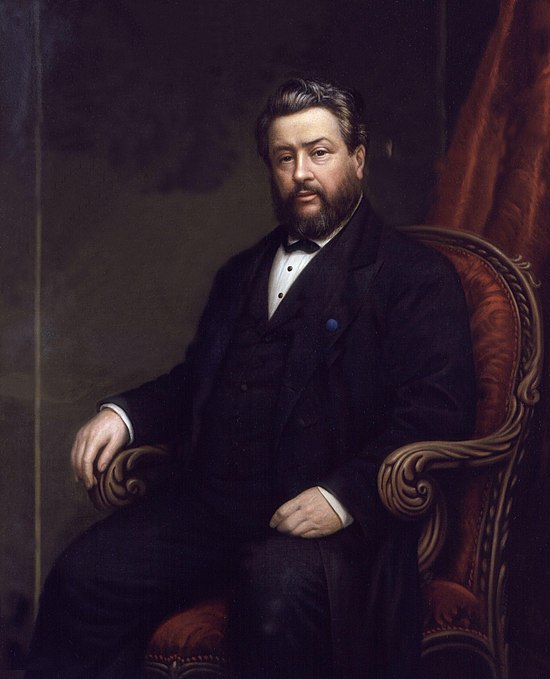
C. H. Spurgeon's sermon delves into the nature and dangers of an unholy church, emphasizing the spiritual decline that results from neglecting intimate communion with God through private prayer. He warns that the pursuit of wealth and worldly satisfaction can detract from genuine faith, implying that many in the church are conformed to worldly standards, rendering them ineffective as representations of Christ. Spurgeon uses Ecclesiastes 12:11 and Proverbs 22:17 to illustrate the significance of wisdom and the eternal ramifications of one's actions, underscoring that the essence of heaven is found in Christ himself. The practical significance stems from Spurgeon's call for a return to holiness within the church, positing that a true walk with Christ should lead to a profound understanding of one's sinful nature and a rejection of the world's temptations.
Key Quotes
“An unholy church, it is useless to the world and of no esteem among men. It is an abomination, hell's laughter and heaven's abhorrence.”
“The worst evils which have ever come upon the world have been brought upon her by an unholy church.”
“If you have lived like the wicked, then you will die like the wicked and be damned like the wicked.”
“To be almost saved is to be altogether lost.”
The Bible emphasizes that neglecting private prayer can lead to spiritual declension.
Scripture teaches that prayer is vital in maintaining a close relationship with God. Charles Spurgeon pointed out that neglecting private prayer leads to spiritual decline, as seen in many believers who are busy accumulating worldly possessions while neglecting their spiritual health. This aligns with biblical teachings found in passages like Matthew 26:41, where Jesus advises to 'watch and pray,' emphasizing the need for vigilance in our spiritual lives.
Matthew 26:41
We recognize justification's truth through its transformative impact on believers' lives.
The doctrine of justification, rooted in Scripture, asserts that through faith, believers are declared righteous before God. Spurgeon highlights that true understanding of doctrine is evidenced by its fruits in our lives. Justification does not merely serve as a theoretical concept, but it dynamically transforms the believer's heart and actions, leading to true sanctification. This transformation is evident in passages like Romans 5:1, which states that having been justified by faith, we have peace with God, an essential assurance for every believer.
Romans 5:1
Holiness is essential for Christians as it reflects Christ's character and the call to be separate from the world.
Holiness is crucial for Christians, as it is a central attribute of God and a condition for true fellowship with Him. Spurgeon lamented the state of the church, cautioning that an unholy church is an abomination and does not fulfill its purpose. Holiness serves as a testament to the transformative power of the Gospel in a believer's life, calling Christians to abstain from worldly conformity. Scripture reaffirms this in 1 Peter 1:15-16, where believers are called to be holy as God is holy, underscoring the imperative of living a life distinct from worldly pursuits.
1 Peter 1:15-16
'Almost saved' refers to those who come close to faith but remain unregenerate and thus ultimately lost.
Spurgeon warns against the peril of being 'almost saved,' emphasizing that this state is as dire as being entirely lost. He underscores that many who are close to the kingdom yet unconverted remain at risk of eternal damnation. This concept mirrors the teaching found in Matthew 7:21-23, where merely professing faith without true transformation leads to rejection by Christ. Being 'almost saved' lacks the commitment of true faith that results in regeneration and ultimately salvation, highlighting the need for a genuine relationship with Christ.
Matthew 7:21-23
Comments
Your comment has been submitted and is awaiting moderation. Once approved, it will appear on this page.
Be the first to comment!
