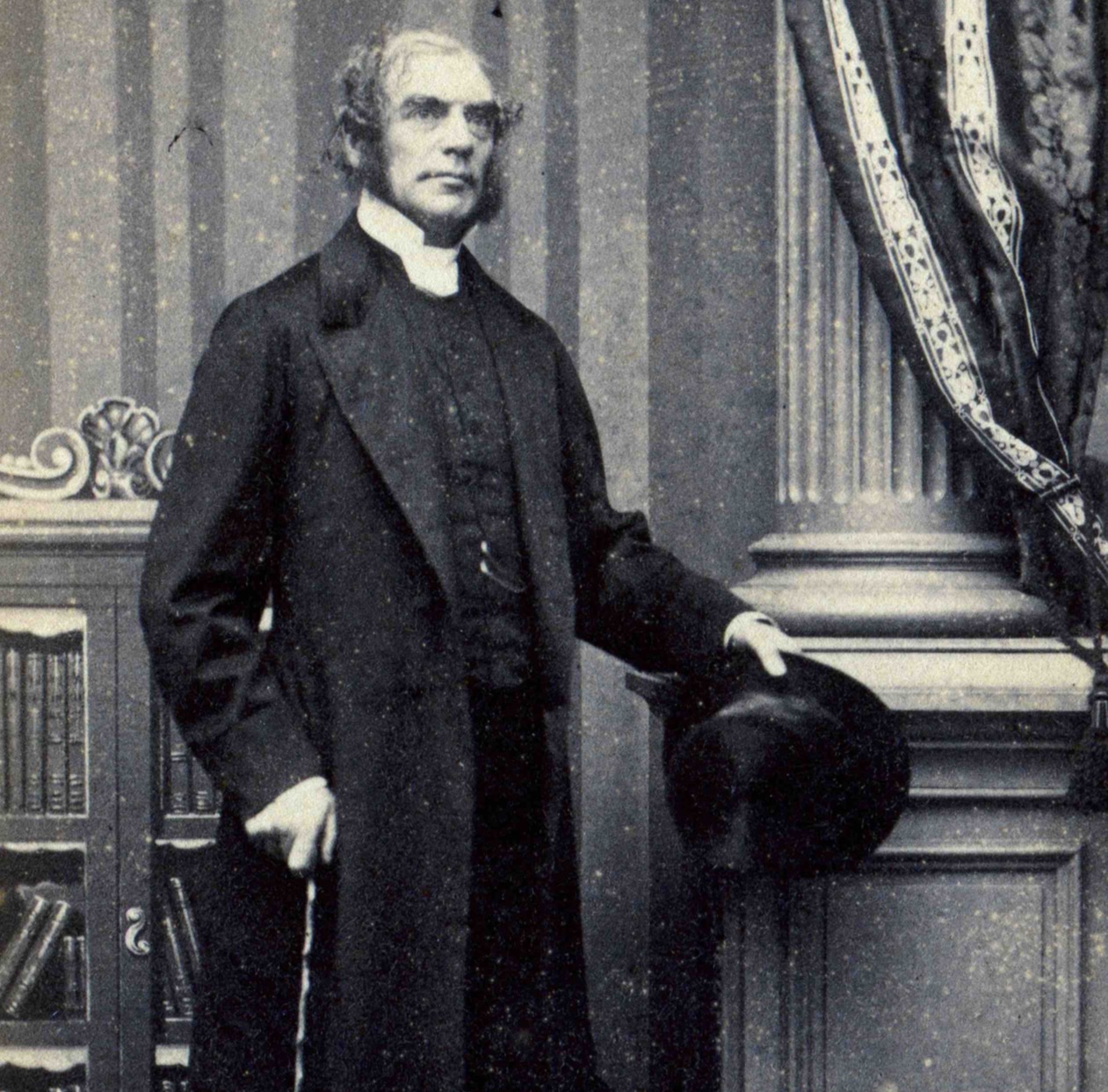
In Octavius Winslow's sermon "He led them forth by the right way!", he addresses God's providential guidance through life's trials and tribulations, emphasizing that believers depend on Christ's grace for both the subjugation of sin and the pardon of guilt. Winslow argues that God's guidance is not arbitrary but rather intricately designed to meet the varying needs of His people, as illustrated by the contrasting experiences of light and darkness (Psalm 107:7). He cites Psalm 31:15 to underscore God's sovereignty over time and circumstances, affirming that each believer is led by a meticulous and loving Creator who delights in their ultimate good. The practical significance is a deepened trust in God's providence, teaching that both joy and sorrow serve a purposeful role in sanctification and spiritual growth, preparing believers for eternal communion with Him.
Key Quotes
“The believer is as much to live upon the grace and power of Christ for the subduing of sin, as upon the blood and righteousness of Christ for the pardon and removal of the guilt and condemnation of sin.”
“Not by blind chance, or human forethought, or creature sagacity, are we homeward led, but by an eye that never slumbers, by a hand that never wearies, by a mind that never errs...”
“The cloud of sadness subdues and softens the light of joy. The sunshine of joy illumines and warms the chill cloud of sadness...”
“With his people, God's afflictions are loving and parental. With his enemies, God's afflictions are judicial and punitive.”
The Bible teaches that God guides His people through life, ensuring their needs are met and their paths are directed towards Him.
Scripture affirms that God is actively guiding His people through every aspect of their lives. Psalm 107:7 states, 'He led them forth by the right way, that they might go to a city of habitation.' This guidance is not random but is meticulously planned by a divine hand that oversees all our steps. The emphasis on being led by God assures believers that their journey, filled with diverse experiences—both light and dark—is ultimately overseen by a loving Father who cares for their well-being.
God's guidance includes His providential care, where He balances joy and sorrow, allowing each to play a vital role in our spiritual growth. As believers navigate the challenges of life, they can rest assured that their Heavenly Father, in His wisdom, has coordinated all events to lead them home to Himself. This guidance is a constant reminder of His presence that never leaves us, which brings comfort and assurance even in times of adversity.
God's afflictions serve to purify and draw His people closer to Him, working together for their ultimate good.
According to the content drawn from Octavius Winslow, God's afflictions are depicted as parental and loving, specifically designed for the purification of His saints. Unlike judicial afflictions that serve to punish the wicked, the trials that believers face are a means through which God draws them nearer to Himself. Psalm 31:15 encapsulates this sentiment by stating 'My times are in your hand,' indicating that every circumstance is under God's sovereign control, working towards our good.
The principle of affliction resulting in spiritual benefit is crucial for understanding how God operates within the lives of believers. Winslow illustrates that afflictions can elevate the soul closer to God, just as the flood lifted the ark higher. This analogy emphasizes that trials can serve as instruments of divine grace, refining the believer's faith and character. Thus, rather than being purely punitive, God's afflictive measures are intended to cultivate holiness and prepare His people for eternal dwelling in His presence.
Trusting in God's providence is vital as it assures believers of His sovereignty and care in every circumstance of life.
The importance of trusting in God's providence for Christians cannot be overstated. A firm belief in God's sovereign guidance allows believers to face life's uncertainties with confidence. As articulated in Winslow's sermon, God leads His people by an eye that never slumbers and a heart that never grows cold. This reflects His unchanging nature and constant presence in our lives, reassuring us that we are never alone in our journey.
Furthermore, acknowledging God's providence helps Christians accept the varying dispensations He brings into their lives. Whether experiences are painful or joyful, they each serve a purpose—balancing and harmonizing joy and sorrow, triumph and defeat. This perspective transforms trials into opportunities for growth, prompting believers to look toward their ultimate hope in Christ, while assuring them that God's sovereign hand is orchestrating their paths toward eternal glory.
Comments
Your comment has been submitted and is awaiting moderation. Once approved, it will appear on this page.
Be the first to comment!
