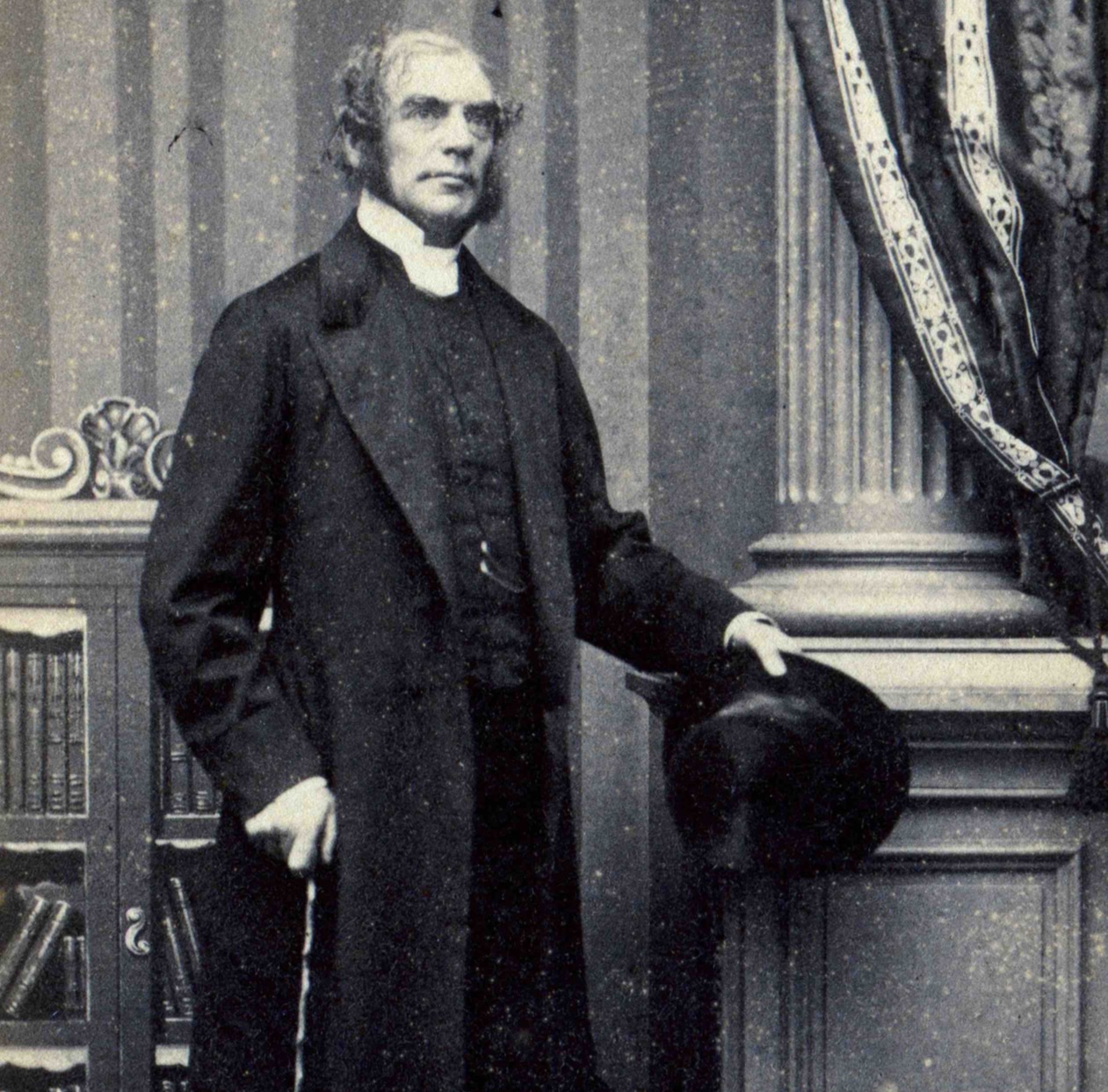
The sermon "The Searching, Burning, Purifying Fires of Christ's Furnace" by Octavius Winslow addresses the theological doctrine of sanctification, emphasizing the essential role of Christ in the believer's refining process. Winslow argues that the various trials, afflictions, and sorrows are divinely orchestrated by Jesus, who acts as both the refiner and purifier of believers’ hearts. Utilizing Scripture references from Malachi 3:3, which highlights Christ's role in purifying, and Zechariah 13:9, Winslow underscores that the trials we face serve to remove dross and enhance spiritual purity. The practical significance of this doctrine is profound; it reassures believers that Christ, in His sovereign control, uses life's challenges for their spiritual growth and sanctification while ensuring their safety and ultimate glorification in Him.
Key Quotes
“O my soul, what deep need is there for this refining and purifying of your Lord?”
“If He places you in the fire, He will bring you through the fire, that the trial of your faith, being much more precious than of gold that perishes, though it is tried with fire, might be found unto praise and honor and glory at the appearing of Jesus Christ.”
“The knife is in a father's hand. The flame is under a savior's control. Be still, be humble, be submissive.”
“He watches and controls the process that purifies our hearts, burnishes our graces, sanctifies our nature, and impresses more vividly His own image of loveliness upon our soul.”
The Bible describes Christ as a refiner who purifies His people like silver and gold, emphasizing His sovereignty and care in our trials.
Malachi 3:3 speaks of the Lord as a refiner and purifier of silver, which symbolizes His work in purifying the hearts of His people. This depiction illustrates that just as a human refiner carefully watches over the molten metal to remove impurities, Christ oversees our trials and afflictions to refine and purify us. Our inward corruptions—carnality, worldliness, and unbelief—demand His searching, burning fires, which are crucial for our spiritual growth and sanctification. With His pierced hands, Jesus shapes our experiences, ensuring that every trial serves a divine purpose in making us more like Him.
Moreover, the comfort found in knowing that Jesus is the one purifying us cannot be overstated. He is always present with us in the furnace of affliction, orchestrating the trials we face with love and faithfulness, ensuring our ultimate redemption and transformation.
Christ's refining fires are beneficial as they serve to purify our faith, making it more precious than gold.
The benefits of Christ's refining fires are grounded in the promise found in 1 Peter 1:7, which states that the trial of our faith, when refined by fire, is more precious than gold. This purification process not only removes impurities from our lives but also strengthens our faith, enabling us to reflect Christ's image more vividly. Jesus, as the refiner, watches over us with unwavering patience and love, ensuring that no trial is without purpose. Each affliction serves to deepen our reliance on Him and to develop our character, drawing us closer to His holiness.
In essence, the refining fires lead us through suffering, ultimately resulting in praise and honor at the revelation of Jesus Christ. This promise reassures believers that our suffering is not in vain but rather essential for our spiritual maturity and readiness to enter into the fullness of Christ's glory.
Understanding suffering as refining helps Christians trust in God's sovereignty and grow in faith.
For Christians, recognizing suffering as a refining process is crucial for developing a robust faith in God's sovereignty. As taught in the sermon, the imagery of Jesus sitting as a refiner illustrates that He is actively involved in our trials, shaping our experiences to refine our character. This perspective shifts our view of hardship from something solely painful to an opportunity for growth and sanctification. Suffering becomes a means by which God purifies us, teaching us to depend on Him rather than ourselves.
Furthermore, this understanding encourages believers to remain humble and submissive under trial. The realization that the 'knife is in a father's hand' provides assurance that we are cared for deeply, even in our most difficult moments. It emphasizes the importance of looking to Christ, who walks with us through the fire, ensuring that we are never alone. This knowledge cultivates hope and patience, as we trust in God's ultimate plan to refine us and draw us nearer to Him.
Comments
Your comment has been submitted and is awaiting moderation. Once approved, it will appear on this page.
Be the first to comment!
