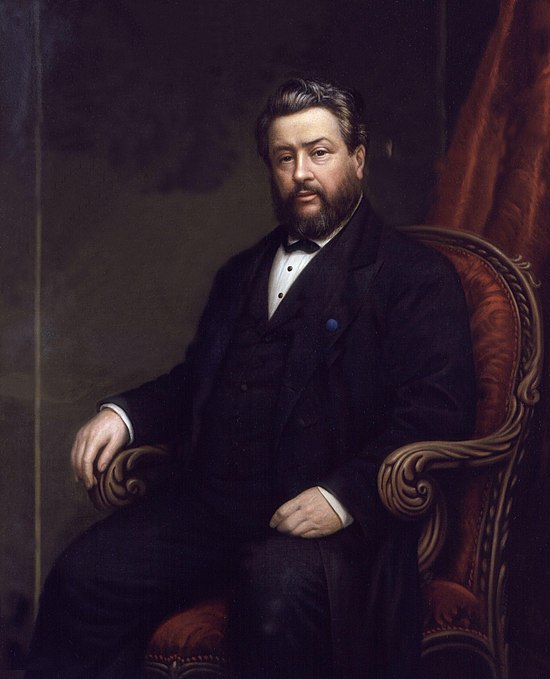
In C. H. Spurgeon's sermon "Thanks be unto God," the central theological theme is the nature and significance of prayer, particularly focusing on thanksgiving to God. Spurgeon emphasizes the necessity of genuine worship and gratitude towards God, encouraging believers to transcend worldly distractions and enter into a deeper communion with Christ. He draws on Hebrews 4:16, which highlights the believer's access to God’s throne of grace, and Philippians 4:6, which exhorts believers not to be anxious but to present their requests to God with thanksgiving. The practical significance lies in the transformative power of prayer as a means through which believers express their dependence on God, seek forgiveness, and intercede for others, fostering a spirit of love and unity within the church.
Key Quotes
“O Lord God, help us now really to worship Thee. We would thank Thee for this occasion.”
“We do not ask to be entranced, nor to see an angel in shining apparel; we do ask that by faith we may see Jesus.”
“For though far off by space, we know that we are very near to thy heart.”
“May we look not every man on his own things, but every man on the things of others.”
The Bible encourages us to pray with thanksgiving, trusting in God's goodness and presence.
In Philippians 4:6, we are instructed to present our requests to God with thanksgiving, signifying that gratitude is a vital component of prayer. This reflects the understanding that God not only hears our prayers but also acts with care and love towards us. Our prayers should be an avenue through which we express our thankfulness for God’s past mercies, while also trusting Him for future provision. Acknowledging God’s sovereignty in our requests reinforces our dependence on Him and aligns our hearts with His will.
Philippians 4:6, Hebrews 4:16
Worship is essential as it acknowledges God's sovereignty and deepens our relationship with Him.
Worship is an expression of reverence and adoration towards God, acknowledging His supreme authority and goodness. Through worship, Christians engage in a personal relationship with Christ, reflected in the prayers of gratitude and adoration we offer. In Hebrews 4:16, we are invited to approach the throne of grace with confidence, which emphasizes that worship is not merely ritualistic but a heartfelt connection with our Savior. This relationship is vital for our spiritual growth, as it transforms our desires and aligns our hearts with God's purposes.
Hebrews 4:16
Scripture affirms that Jesus, as our high priest, advocates on our behalf before God.
The doctrine of Christ's intercession is rooted in His role as our high priest. In Hebrews 4:16, we see that Christ, having ascended to the throne, now mediates for us. This assures believers that our prayers are heard not only because they are offered, but also because they are presented to the Father through Jesus' eternal advocacy. The assurance of Christ’s intercession provides comfort and security, reinforcing the belief that we are not alone in our struggles but have a Savior who understands and supports us. His sacrificial work guarantees our acceptance before God's throne.
Hebrews 4:16
Living a Christ-like life reflects our transformation and commitment to God's will.
Christians are called to reflect the character of Christ in all aspects of life. This call to holiness is not merely moralistic but rooted in the transformative power of the gospel. Through Christ's life, death, and resurrection, we are empowered to live according to His teachings and example. As Spurgeon emphasizes, a life that seeks to emulate Christ’s passions, love, and humility not only honors Him but also serves as a witness to others. By living in alignment with Christ, believers actively participate in the expansion of His kingdom, fostering a community that reflects His light to the world.
Comments
Your comment has been submitted and is awaiting moderation. Once approved, it will appear on this page.
Be the first to comment!
