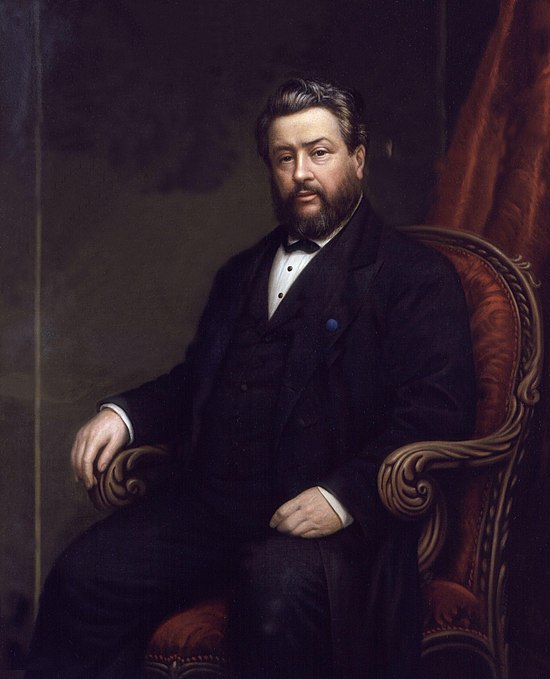
C. H. Spurgeon's sermon "The All-Prevailing Plea" primarily addresses the doctrine of prayer, emphasizing its power and significance in the life of believers. Spurgeon articulates that prayer is backed by divine authority, articulated through Scripture references such as Hebrews 4:16, which encourages believers to approach God's throne of grace with confidence, and Philippians 4:6, which exhorts to present requests to God with thanksgiving. He posits that believers come before God not only by His command but also empowered by the intercessory role of Jesus as the Great High Priest, reinforcing the assurance that their petitions, when aligned with God's will, will be granted. The sermon ultimately emphasizes the necessity of fervent prayer for the lost, reflecting Reformed doctrines on sovereign grace and the urgency for evangelism, affirming that such pleas for mercy can effect change in the hearts of the unconverted.
Key Quotes
“We who are nothing but emptiness come unto thee for all supplies, nor shall we come in vain, since we bear with us a plea which is all prevalent.”
“Tis thy rich, free, sovereign, distinguishing grace which has brought us up out of the miry clay and set our feet upon a rock.”
“Fain our pity would reclaim and snatch the firebrands from the flame.”
“Oh, that we could pour out our soul in prayer for the unconverted.”
The Bible assures us that our prayers can prevail when we ask in faith, as seen in Hebrews 4:16 and Philippians 4:6.
The Bible emphasizes the importance and power of prayer, encouraging believers to approach the throne of grace with confidence. Hebrews 4:16 invites us to come boldly to this throne, assured that we will receive mercy and grace in our time of need. Philippians 4:6 further instructs us not to be anxious but to bring our requests to God through prayer, promising that His peace will guard our hearts and minds. These passages highlight that prayer is not a mere formality but a vital means of connecting with God, where our requests can lead to tangible responses in our lives.
Hebrews 4:16, Philippians 4:6
Our prayers are effective because we come in faith and with a plea based on God's promises, as guaranteed by Christ our High Priest.
Our confidence in the effectiveness of prayer comes from the assurance that we are instructed to pray in faith, believing that what we ask for will be granted. As stated in the sermon, we bring to God a plea that is all-prevalent, grounded in His promises and mediated by Christ, our great High Priest. Jesus' intercession for us assures that our prayers do not go unheard. When we ask aligned with God's will and purpose, we can trust that He hears us, thus making our prayers effective in the spiritual and earthly realms, as affirmed in passages like 1 John 5:14-15, which provides the additional assurance that if we ask anything according to His will, He hears us.
1 John 5:14-15
Praying for others reflects God's compassion and can lead to their spiritual awakening and salvation.
For Christians, intercessory prayer is crucial as it embodies our compassion for others, reflecting the heart of God who desires all to come to Him. In the sermon, it is highlighted that even those who are spiritually dead cannot pray for themselves, making our prayers for them ever more critical. Biblical examples, such as Paul's prayers for the churches, illustrate the profound impact of seeking God's grace on behalf of others. Prayer not only brings hope but also serves as a tool by which God may choose to draw others to Himself, offering them the gift of redemption, as found in passages like James 5:16, which states that the prayer of a righteous person is powerful and effective.
James 5:16
God's sovereignty ensures that our prayers are aligned with His divine purpose, guiding outcomes according to His will.
The significance of God's sovereignty in prayer lies in the assurance that He is in control of all circumstances and outcomes. As Christians, we trust in God's sovereign will, believing that He knows what is best for us and those we pray for. This understanding invites us to pray with humility and expectation, acknowledging that while our requests may be fervent, God’s wise decisions ultimately govern the results. The sermon refers to the nature of God's immutable love and sovereignty as foundational to our calling to pray, knowing that He can restore and redeem lives in ways that surpass our understanding, as reflected in Romans 8:28, where all things work together for the good of those who love Him.
Romans 8:28
Comments
Your comment has been submitted and is awaiting moderation. Once approved, it will appear on this page.
Be the first to comment!
