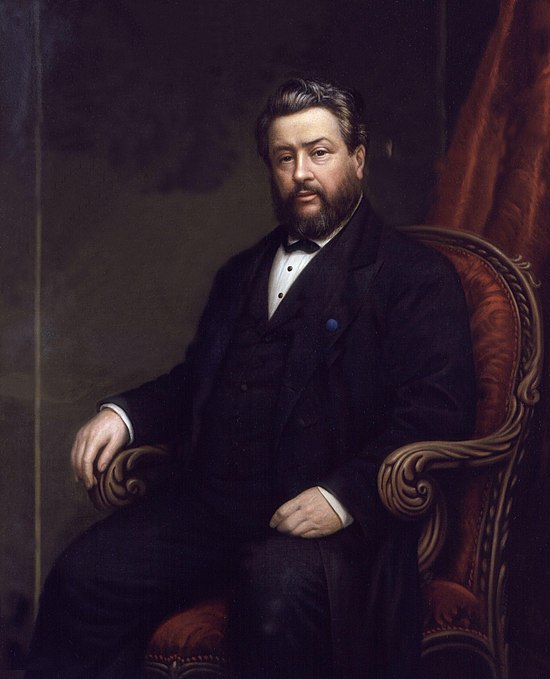
The sermon titled "The Peace of God," preached by C. H. Spurgeon, addresses the profound theological concept of divine peace through prayer and the new covenant established in Christ. Spurgeon emphasizes the believer's access to God through the veil torn by Jesus' crucifixion, highlighting the necessity of recognizing one's guilt while resting in the grace of the new covenant (Hebrews 4:16). He argues for the transformative work of the Holy Spirit as essential for sanctification, obedience, and a genuine relationship with God, as reflected in the believer's prayers that seek holiness and deeper communion with the Father (Philippians 4:6). The practical significance of Spurgeon's sermon underscores that true peace is found not in worldly circumstances, but in the assurance of God's everlasting covenant, which instills a deep, abiding calm in the believer's heart amidst life's trials.
Key Quotes
“We come in the name of Jesus. He is our high priest. He is our righteousness.”
“May we be very tender towards thee. May we feel thy faintest munition.”
“He has brought us into covenant with him by a covenant which can never fail.”
“May we feel the peace of God which passeth all understanding and may we enter into rest.”
The Bible teaches that the peace of God surpasses all understanding and guards our hearts and minds in Christ Jesus (Philippians 4:6-7).
The peace of God, as described in Scripture, is a profound and divine tranquility that believers experience through their relationship with Christ. It is not merely an absence of conflict but a presence of completeness that reassures us amidst life's trials. Philippians 4:6-7 encapsulates this, affirming that by bringing our requests to God in prayer, His peace will guard our hearts and minds.
This peace is rooted in the assurance of our reconciliation with God through Jesus Christ, our Mediator, who has removed the barriers created by our sins. In the new covenant, we find rest in the promises of God, trusting that He will fulfill every covenantal promise without fail. The peace of God becomes a hallmark of the believer's life as they rest in the finished work of Christ and yield to the Holy Spirit's leading and transforming power.
The truth of the new covenant is affirmed through the fulfillment of Old Testament prophecies and the work of Christ as our high priest (Hebrews 4:16).
The new covenant is substantiated through both the prophetic revelations of the Old Testament and the person of Jesus Christ. Hebrews 4:16 highlights that through Christ's mediation, we are invited to approach God with confidence, signifying the abolishment of the barrier created by sin. This covenant assures that we are not upheld by our own works but by Christ's righteousness.
Moreover, the promises embedded in the new covenant, such as the transformation of our hearts and the indwelling of the Holy Spirit, point to the active work of God in believers' lives. The changes we experience in faith, obedience, and conduct as we submit to the Holy Spirit substantiate the reality of the new covenant and its impact in our lives.
Prayer is vital for Christians as it fosters a personal relationship with God and invites His guidance and peace into our lives (Hebrews 4:16).
For Christians, prayer represents a crucial aspect of spiritual life and communion with God. It is through prayer that believers express their dependence on God, seek His wisdom, and converse with their Creator. Hebrews 4:16 calls us to approach the throne of grace with confidence, assuring us that we can receive mercy and grace in our time of need. This direct access is made possible by Jesus, our high priest, and reinforces the relational dynamic central to our faith.
Additionally, prayer is not merely a ritual but an essential practice that cultivates spiritual growth and fosters inner peace. It helps believers align their hearts with God's will, allowing the Holy Spirit to work within them, leading to greater sanctification and maturity in faith. Through prayer, the believer experiences the peace of God that surpasses all understanding, grounding their life in Christ even amidst trials.
Having a heart of flesh symbolizes a transformed and receptive heart open to God's guidance and His law (Ezekiel 36:26).
The metaphor of a heart of flesh is drawn from Ezekiel 36:26, which speaks to the transformative work of God in the hearts of believers. This change signifies a departure from a hard, unresponsive heart (the heart of stone) to one that is tender and compliant with God’s will. Such a heart is sensitive to the promptings of the Holy Spirit and eager to obey God's commandments.
In the context of the Christian faith, having a heart of flesh is integral to experiencing true sanctification and obedience. It enables believers to live in harmony with God's desires and empowers them to resist sin. This transformation is a divine work, evidencing the fulfillment of the new covenant promises, confirming that believers are indeed new creations in Christ as they respond to God's love with joyful obedience.
Comments
Your comment has been submitted and is awaiting moderation. Once approved, it will appear on this page.
Be the first to comment!
