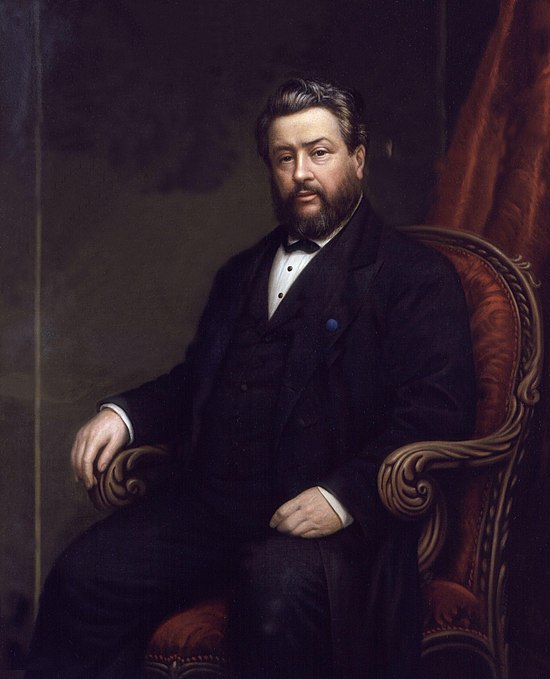
C. H. Spurgeon's sermon "O, for more Grace!" addresses the theme of divine grace and the necessity of reliance on Christ for every aspect of the believer’s life. The key points emphasize the believer's dependence on Christ as the source of wisdom, righteousness, sanctification, and redemption, affirming the sufficiency of Christ in overcoming sin and spiritual weakness. Spurgeon draws on Hebrews 4:16, which emphasizes approaching the throne of grace with confidence, and Philippians 4:6, which encourages believers to present their requests to God, thereby reinforcing the idea that grace is both freely given and essential to the believer's spiritual vitality. The practical significance of this sermon lies in its call for believers to cultivate a deeper relationship with Christ, acknowledging Him as the ultimate source of grace and strength in their lives.
Key Quotes
“We will not look out of thee for anything, for everything is in thee.”
“Without thee, we can do nothing.”
“May we walk humbly with God in joyful faith in the unfinished work of Christ.”
“Oh, that some of the most obdurate and hardened might be softened by the touch of thy Spirit this very day.”
The Bible teaches that grace plays a crucial role in our prayers, as we rely on the Holy Spirit to intercede and guide us.
In Hebrews 4:16, we are encouraged to approach the throne of grace with confidence, knowing that our Father hears us when we pray. This underscores the importance of grace, as it invites us to seek divine assistance and mercy. Prayer is not just a monologue; it is a relational engagement where the Holy Spirit assists our weaknesses, suggesting desires and aiding our pleadings. This grace allows us to approach God, acknowledging that without His intervention and guidance, our prayers would lack sincerity and effectiveness.
Hebrews 4:16
Christ's fullness is affirmed in Scripture, where He is identified as our wisdom, righteousness, sanctification, and redemption.
The belief in Christ's sufficiency stems from multiple scriptural affirmations, notably in 1 Corinthians 1:30, where Paul declares that Christ Jesus is made unto us wisdom, righteousness, sanctification, and redemption. This means that everything we need spiritually is found in Him alone. When we grasp that all aspects of our salvation and spiritual life depend entirely on Christ, it dismantles the notion of self-reliance. Our sin is pardoned, we are given a new identity, and we find our strength and sustenance in Him, making Christ truly all in all to us.
1 Corinthians 1:30
Dependence on Christ is essential because without Him, we can do nothing of eternal value.
In John 15:5, Jesus states, 'Without me, you can do nothing,' emphasizing the necessity of remaining in Him as the source of our spiritual sustenance. Acknowledging our dependence on Christ leads to spiritual vitality. Just as a branch must remain connected to the vine to bear fruit, we, too, must have our lives rooted in Christ. This dependency cultivates humility and fosters a deeper relationship with God, resulting in a fruitful life that glorifies Him. Furthermore, it guards us against self-reliance, reminding us that all our strength and good works are a result of His grace.
John 15:5
The Bible encourages believers to grow in grace, deepening their relationship with Christ.
In 2 Peter 3:18, we are commanded to grow in the grace and knowledge of our Lord and Savior Jesus Christ. This growth is not automatic; it requires effort, prayer, and reliance on the Holy Spirit for transformation. As we engage with God’s Word and seek a deeper understanding of Christ’s character, we start to reflect His likeness in our lives. Additionally, recognizing our spiritual neediness compels us to seek more of God's grace and wisdom. Thus, growth in grace equips us to face life's challenges with faith and reliance on our Savior.
2 Peter 3:18
Comments
Your comment has been submitted and is awaiting moderation. Once approved, it will appear on this page.
Be the first to comment!
