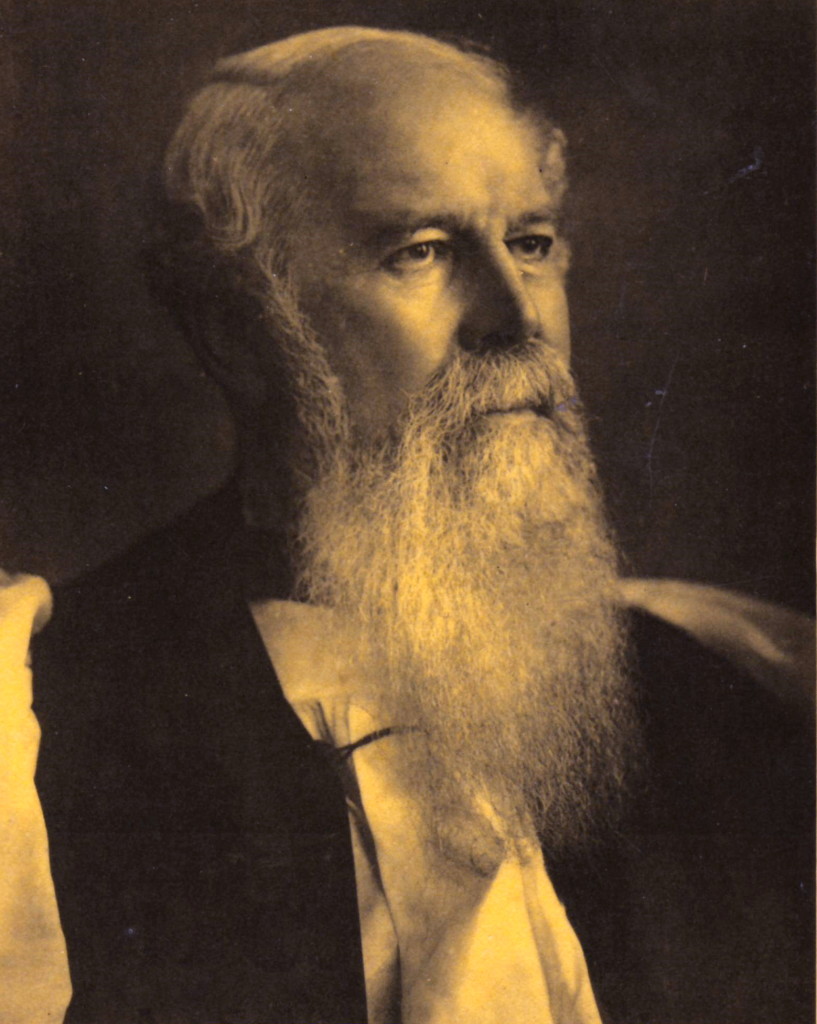
In John 14:27-31, J.C. Ryle elaborates on the doctrine of peace as a central promise of Christ to His disciples. He emphasizes the unique nature of the peace that Christ bequeaths, distinguishing it from worldly peace, which is transient and often illusory. Ryle points out that the peace of Christ is rooted in the believer's reconciled relationship with God, achieved through Christ’s sacrificial atonement. He references John 14:27, which articulates this peace as a lasting legacy that believers can rely on amidst trials, alongside Romans 8:33, affirming that no condemnation can stand against those in Christ. This passage highlights the doctrinal significance of Christ's unique sinlessness and His authority to grant peace and assurance, ultimately encouraging believers to overcome fear and doubt through the knowledge of Christ's perfect work.
Key Quotes
“Peace is Christ's peculiar gift, not money, not worldly ease, not temporal prosperity.”
“The peace that Christ gives is not given as the world gives. What he gives, he gives to all eternity, and he never takes away.”
“In ourselves and our doings we shall find everything imperfect, and if we had no other hope than our own goodness, we might well despair.”
“He is the only one in whom Satan has found nothing.”
The peace that Christ gives is distinct from worldly peace; it is a lasting gift rooted in reconciliation with God through His sacrifice.
In John 14:27, Jesus tells His disciples, 'Peace I leave with you, my peace I give unto you; not as the world giveth, give I unto you.' This emphasizes that the peace bestowed by Christ is unique and profound, found in the assurance of pardon from sin and the promise of eternal life. Unlike the temporary and often superficial peace offered by the world, which can lead to further unrest, the peace of Christ endures. It is backed by His sacrifice on the cross and is guaranteed to all believers who trust in Him, no matter their worldly circumstances. This inward peace stems from knowing we are reconciled to God and is essential for the Christian life, allowing us to face trials without fear or anxiety.
John 14:27
Christ's peace is rooted in His sacrificial love and is given freely, unlike the fleeting, conditional peace the world offers.
The peace that Jesus offers is not akin to what the world provides, which is often based on circumstances and external validation. When Jesus says, 'not as the world giveth, give I unto you,' He points to the intrinsic and eternal nature of His peace. This peace comes from His perfect sacrifice and represents a reconciled relationship with the Father, therefore it cannot be taken away or diminished. While worldly peace may be momentary and conditional upon favorable situations, Christ's peace, purchased through His blood, remains steadfast and unchanging regardless of our circumstances. It is a peace that permeates our hearts and minds, rooted in the assurance of His love and the hope of eternal life.
John 14:27
Christ's sinlessness is crucial as it qualifies Him as our perfect Savior and substitute for the sins of humanity.
In John 14:30, Jesus declares, 'the prince of this world cometh and hath nothing in me,' signifying His absolute purity and sinlessness. This truth is foundational for Christianity, as it affirms that Jesus was the perfect, unblemished sacrifice necessary for the atonement of sin. Had He sinned, He would not have been able to bear our sins and fulfill the law on our behalf. This perfect righteousness is what enables believers to be seen as righteous in the eyes of God. In our own strength, we are all imperfect; however, in Christ, we find a flawless representative who took our place, thus providing us with the security and assurance of salvation. His sinless nature not only highlights His divine uniqueness but also emphasizes the great love of God in providing salvation through Him.
John 14:30, Romans 8:33
Understanding the Trinity enriches our faith by revealing the depth of God's nature and His unified purpose in salvation.
The concept of the Trinity—the Father, the Son, and the Holy Spirit—illustrates the complexity and unity of God in His work of creation, salvation, and preservation. In John 14, as Jesus speaks of His relationship with the Father, He emphasizes their unity and shared mission. This understanding fosters a deeper relationship with God, acknowledging that He is relational and invested in human history. Knowing that Jesus is both fully God and fully man helps us grasp the breadth of His love and sacrifice. It reassures us that our salvation is secured not by works but through a covenant established within the very nature of God Himself. Deepening our understanding of the Trinity calls us to a worshipful response as we recognize the richness of this profound mystery at the heart of our faith.
John 14:28, Philippians 2:7
Comments
Your comment has been submitted and is awaiting moderation. Once approved, it will appear on this page.
Be the first to comment!
