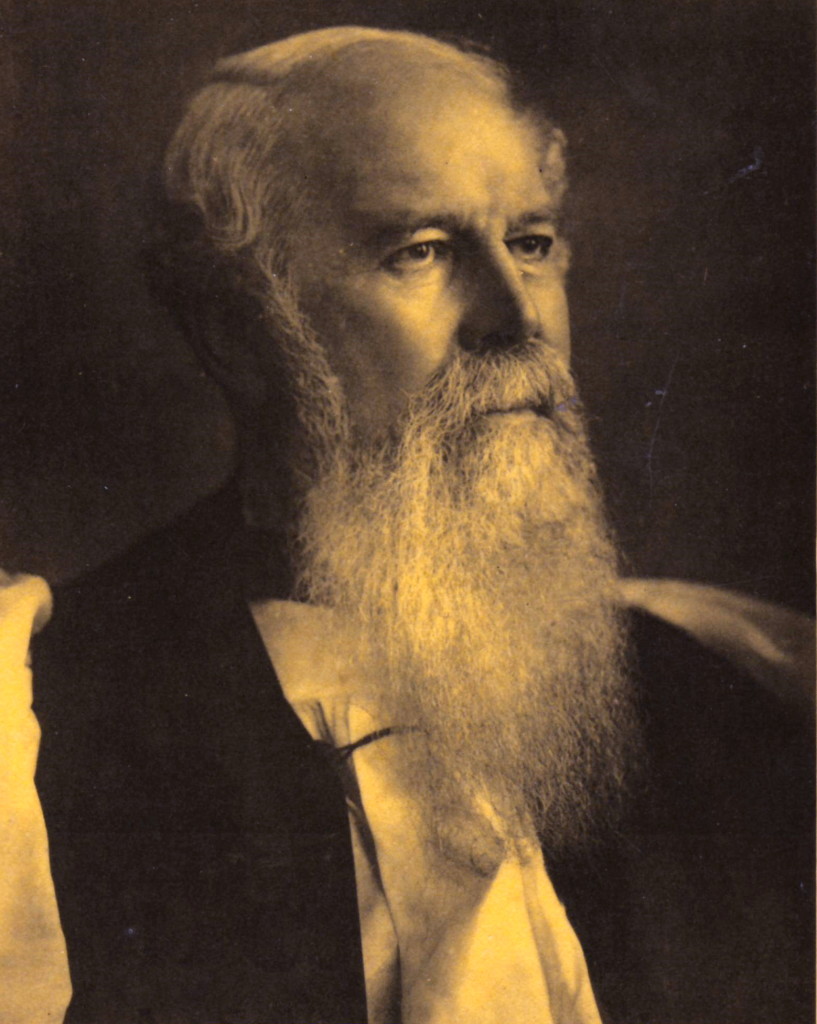
The sermon on John 18:1-11 by J.C. Ryle explores the themes of betrayal, the passionate voluntary suffering of Christ, and the significance of divine preservation of His followers during a time of great peril. Ryle emphasizes the hardness of Judas's heart as he betrays Jesus, notwithstanding the privileges he experienced as an apostle, underscoring the danger of resting on religious knowledge without true faith (Matthew 26:47-50). He illustrates Christ’s deliberate willingness to be captured and to suffer, as evidenced by the miraculous prostration of Judas's party at the proclamation "I am he," demonstrating Christ’s divine authority and control over the events (John 10:28). Additionally, Ryle highlights Jesus's protection over His disciples, fulfilling His prayer that none would be lost (John 17:12), and examines Christ’s unwavering submission to the Father’s will despite the agony ahead (Matthew 26:39). This passage illuminates the depth of Christ’s sacrifice and His intercessory care, reminding believers of the precious assurance that faith anchors in Christ’s sovereignty even in tribulation.
“Let us beware of resting our hopes of salvation on religious knowledge, however great, or religious advantages, however many.”
“He had set His heart on accomplishing our redemption. He loved us and gave Himself for us, cheerfully, willingly, gladly.”
“In the darkest hour the eye of the Lord Jesus is upon us, and our final safety is sure.”
“Shall I not drink the cup which my Father hath given me?”
The Bible emphasizes that Jesus willingly suffered for our redemption, as seen in John 18:1-11.
John 18:1-11, Matthew 26:39-42
Christ's own confession in John 18 demonstrates His voluntary decision to face His arrest and crucifixion.
John 18:1-11, John 10:18, Matthew 26:42
Judas' betrayal illustrates the depths of human sin and the reality of spiritual privilege misused.
John 18:1-11, John 13:21-27
Auto-generated transcript • May contain errors

Comments
Your comment has been submitted and is awaiting moderation. Once approved, it will appear on this page.
Be the first to comment!