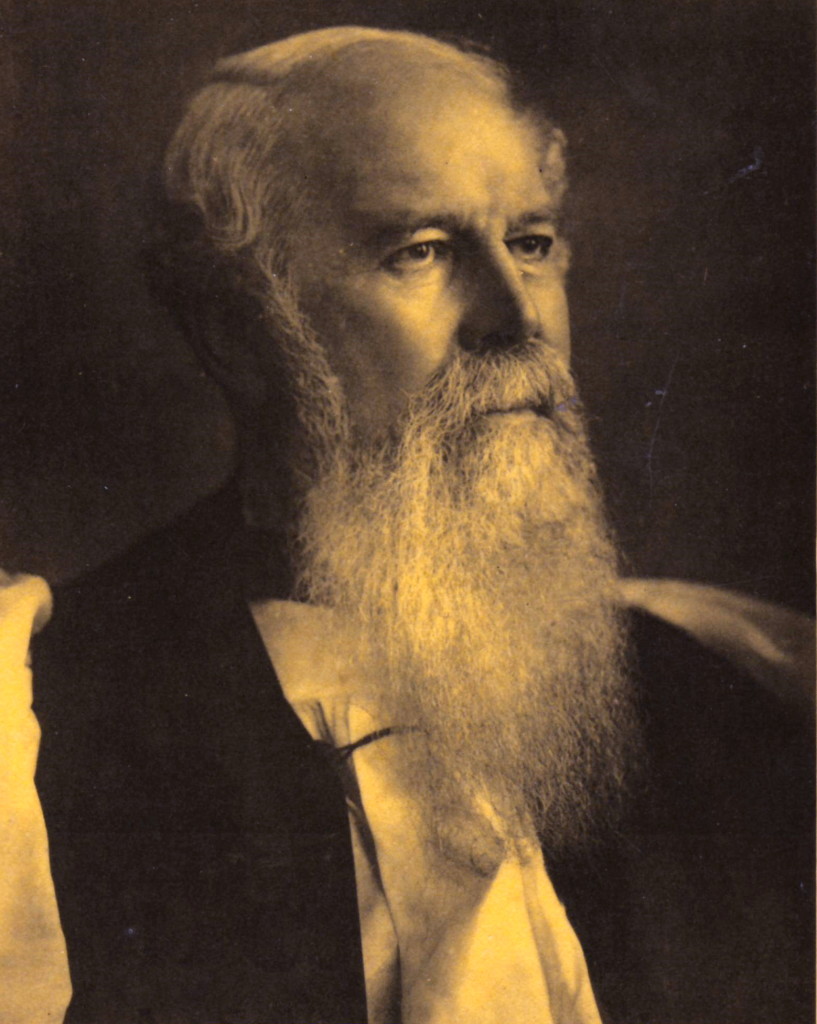
The sermon on John 20:24-31 by J.C. Ryle examines the narrative of Thomas' unbelief, emphasizing the themes of doubt, the mercy of Christ, and the nature of true belief. Ryle argues that Thomas exemplifies a common struggle with faith amidst uncertainty, as he demanded tangible proof before he would declare belief in the resurrection. Through the interaction between Jesus and Thomas, especially Jesus’s patient response and the affirmation of His divinity when Thomas declares, “My Lord and my God,” the sermon highlights the compassionate nature of Christ towards struggling believers. Ryle emphasizes the significance of community worship and the potential spiritual loss when individuals isolate themselves from fellowship, stating that these Scripture accounts reaffirm the divinity of Christ and the importance of believing without demanding physical proofs, thus encouraging a deeper faith in the unseen. The practical implication is that Christians should cultivate a trusting disposition and engage actively in the community of faith, relying on the testimony of their brethren.
“By being absent, he was kept in suspense and unbelief a whole week, while all around him were rejoicing in the thought of a risen Lord.”
“Here we see how kind and merciful Christ is to dull and slow believers.”
“Let it be settled firmly in our minds that the divinity of Christ is one of the grand foundation truths of Christianity.”
“Blessed are they that have not seen, and yet believed.”
The Bible describes Thomas's unbelief as a significant moment where he demanded physical proof of Jesus's resurrection, which Christ graciously provided.
John 20:24-29
The New Testament affirms Christ's divinity throughout, particularly through His acceptance of worship and the acknowledgment of His title as God.
John 20:28, John 1:1-3
Gathering with fellow believers is essential for spiritual growth, mutual encouragement, and partaking in the means of grace.
Hebrews 10:24-25, John 20:26
Auto-generated transcript • May contain errors

Comments
Your comment has been submitted and is awaiting moderation. Once approved, it will appear on this page.
Be the first to comment!