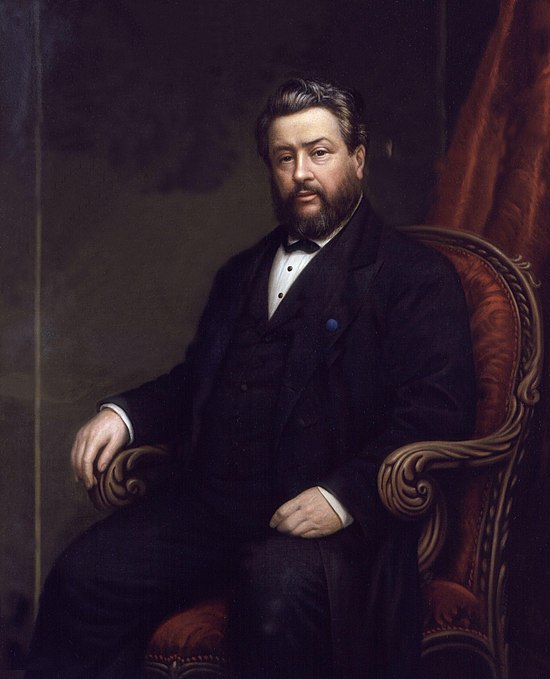
In C. H. Spurgeon's sermon titled "Testimony and Experience," the central theological focus is on the transformative power of personal testimony in evangelism and the importance of individual experience of salvation. Spurgeon argues that while human testimony, as exemplified by the Samaritan woman's account in John 4:39-42, can inspire faith, it is personal experience of Christ that ultimately solidifies belief. He emphasizes that many believed not just because of her testimony, but because they encountered Jesus themselves, thereby transitioning from reliance on human testimony to a deeper, personal conviction (John 4:42). This illustrates the Reformed doctrine of the necessity of experiential faith, underlining the significance of personal salvation and the believer's active engagement with Christ. Spurgeon encourages believers to share their testimonies earnestly, as genuine expressions of faith can lead others to seek and find salvation through Christ.
“The most important question concerning any man living is this, is he a saved soul or no?”
“If the man be indeed saved, and a new man in Christ Jesus, he will look back upon the day of his regeneration as his chief birthday.”
“Now we believe, not because of thy saying, for we have heard him ourselves, and know that this is indeed the Christ, the Saviour of the world.”
“There is such a thing as perfect happiness in death, and even a longing to depart.”
The Bible highlights the importance of personal testimony as a means to inspire faith, as seen in John 4:39-42.
John 4:39-42
We know Jesus is the Christ through personal experience and the witness of Scripture, as affirmed by many who have encountered Him personally.
John 4:42
Personal experience is crucial for Christians as it provides profound evidence of faith, making one's belief more authentic and compelling.
John 4:42
Auto-generated transcript • May contain errors

Comments
Your comment has been submitted and is awaiting moderation. Once approved, it will appear on this page.
Be the first to comment!