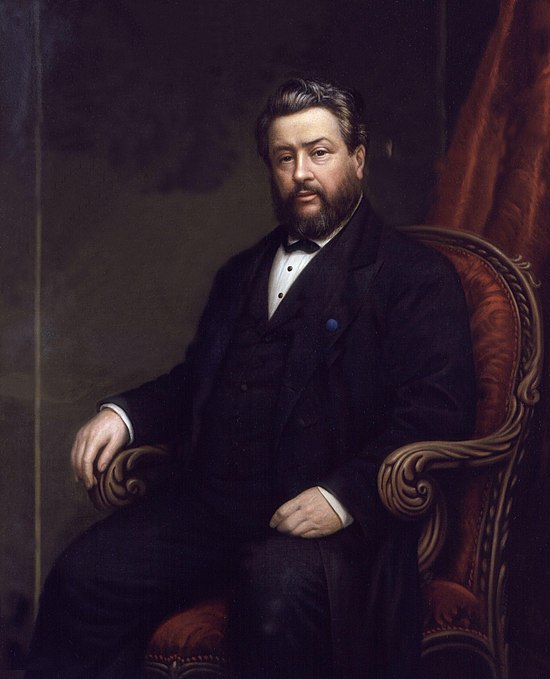
In C.H. Spurgeon's sermon titled "Taught That We May Teach," the main theological doctrine addressed is the responsibility of believers to receive and share divine revelations from God, rooted in the Biblical narratives of Ezekiel and Romans 8. Spurgeon emphasizes that God bestows special manifestations of His glory to certain individuals, not for personal edification alone but to empower them for ministry to others. He draws from Ezekiel 40:4, where God instructs the prophet to declare what he sees, underscoring the humility of Ezekiel as a "son of man," that even the greatest prophets are still mere mortals. Spurgeon articulates that the shared experience of receiving God's revelations equips believers to communicate the truths of Scripture effectively, highlighting the practical significance of being active participants in God's plan to reveal His glory through teaching. The sermon ultimately encourages the congregation to embrace their roles as witnesses and proclaimers of God's truth, reminding them of God's capacity to use even their darkest experiences for His greater purpose.
“The best of men are men at the best.”
“If God can reveal Himself to one son of man, why not to another?”
“Whenever you have much sadness, be hopeful. There is a joy on the way to you.”
“He that is taught of God is taught infallibly.”
The Bible illustrates that God reveals Himself to certain servants for their benefit and for the benefit of others, as seen in the life of Ezekiel.
Ezekiel 40:4, Romans 8
God uses ordinary people, as demonstrated by the life of Ezekiel, reminding us that even the most humble can be chosen for His work.
Ezekiel 40:4, Romans 8
Humility is crucial for Christians as it allows us to recognize our dependency on God and to serve Him faithfully.
Ezekiel 40:4, James 4:6
Auto-generated transcript • May contain errors

Comments
Your comment has been submitted and is awaiting moderation. Once approved, it will appear on this page.
Be the first to comment!