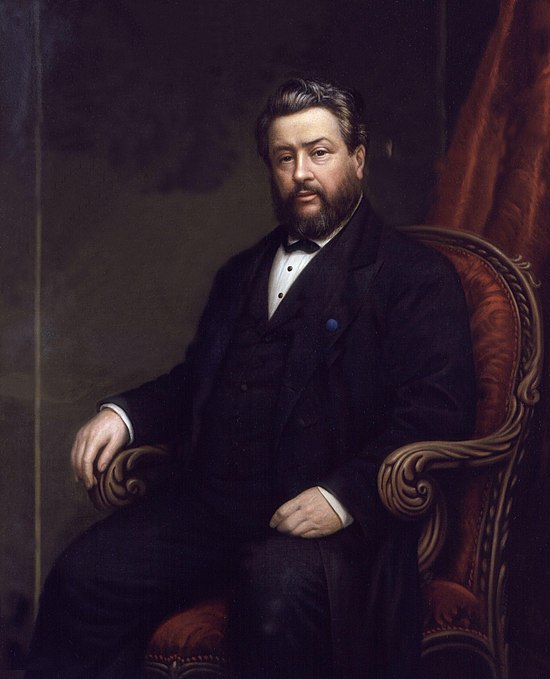
The sermon "Immanuel – The Light of Life!" by C. H. Spurgeon centers on the significance of Jesus Christ as Immanuel, which means "God with us," emphasizing His role as the light that breaks into darkness. Spurgeon argues that during Israel's darkest times, such as the affliction of Judah, God provided the promise of a Messiah, exemplified in Isaiah 7:14 which foretells of the virgin birth. He illustrates how numerous prophecies (Isaiah 9:1-2, Jeremiah 23:5, and Ezekiel 34:23) reveal God's intention to be present with His people, offering salvation and hope through Christ, who embodies both divine and human natures. This theological truth underpins the believer's assurance amid trials, and it signifies that faith in Christ transforms darkness into light, bringing peace and hope to those who trust in Him.
Key Quotes
“The people that walked in darkness have seen a great light. They that dwell in the land of the shadow of death, upon them hath the light shined.”
“It is not in the power of human lips to speak out all the comfort which this one sign contains.”
“If you belong to Jesus, he will have you. If he bought you with his blood, he will not shed that blood in vain.”
“He is God, but he is God with us. He is bone of our bone and flesh of our flesh, a brother born for adversity.”
Immanuel means 'God with us' and is a promise of God's presence and deliverance, as prophesied in Isaiah 7:14 and fulfilled in Jesus.
The term Immanuel, meaning 'God with us,' is a central theme in Scripture demonstrating God's commitment to be present with His people. Isaiah 7:14 prophesies the birth of a child named Immanuel as a sign of God's presence and deliverance. In the darkest times, such as during Judah's distress, this promise serves as a profound reminder of God's faithfulness and His ultimate plan for redemption through the incarnation of Christ, who is indeed 'God with us.' Through Him, the transcendent God takes on human nature to bring about salvation, assuring believers of His eternal presence and support.
Isaiah 7:14, Matthew 1:23
The doctrine of the incarnation is affirmed by prophetic fulfillment and New Testament validation, particularly in Matthew 1:21-23.
The truth of the doctrine of the incarnation is rooted in both Old Testament prophecy and New Testament fulfillment. The prophecy in Isaiah 7:14 predicts the miraculous birth of Immanuel, which is confirmed in Matthew 1:21-23 where the angel explicitly states that the child will be called Immanuel, meaning 'God with us.' This doctrinal truth is further reinforced through Jesus' life, His teachings, and the salvation He provides, which reflects the essential union of divine and human natures. The unity of these scriptural attestations builds a strong case for the truth of the incarnation.
Isaiah 7:14, Matthew 1:21-23
Emmanuel signifies God’s presence with us, providing hope, comfort, and assurance of salvation through Jesus Christ.
The concept of Emmanuel is deeply significant for Christians as it encapsulates the essence of God's relationship with humanity. It affirms that God has not abandoned us to our struggles but instead chose to dwell among us in the person of Jesus Christ. This presence brings hope and comfort, particularly in times of distress, reminding believers that they are never alone. Furthermore, Emmanuel embodies God’s willingness to enter into human suffering and offer redemption. Therefore, understanding Emmanuel helps Christians grasp the depth of divine love and the assurance of salvation, which becomes a source of strength in their faith journey.
Matthew 1:23, Romans 8:28-30
Emmanuel offers the hope of light and deliverance to those in spiritual darkness and despair.
For those experiencing spiritual darkness, Emmanuel represents the hope of light and deliverance. As stated in Isaiah 9:2, 'the people that walked in darkness have seen a great light.' This light is embodied in Jesus Christ, who brings salvation and comfort to the downtrodden. Individuals faced with despair can find solace knowing that God has come to their aid through Jesus. His coming signifies the end of gloom and the promise of joy and restoration. Thus, for believers, Emmanuel signifies not only God's presence but also the assurance that He will dispel darkness and lead them into His glorious light.
Isaiah 9:2, John 8:12
Comments
Your comment has been submitted and is awaiting moderation. Once approved, it will appear on this page.
Be the first to comment!
