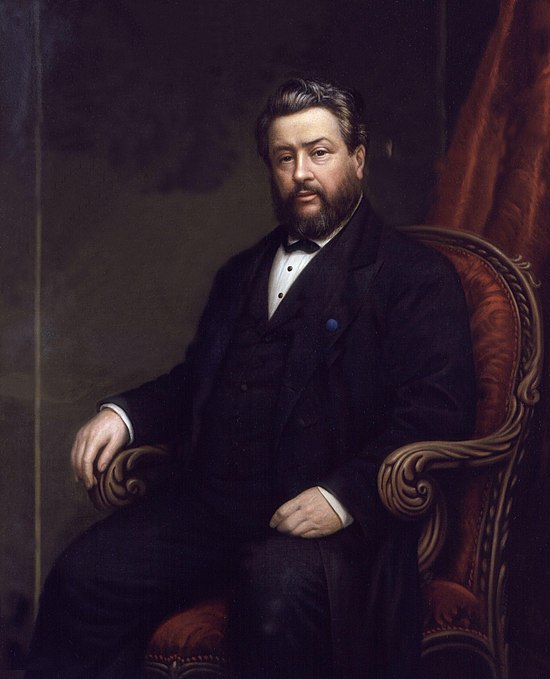
C. H. Spurgeon's sermon "A Challenge and a Shield" centers on the theological doctrine of justification through Christ's sacrificial death, as highlighted in Romans 8:34. The sermon explores the audacity of the Apostle Paul's proclamation "Who is he that condemneth?" against the backdrop of Christ's atonement, claiming that while humanity is inherently sinful and therefore vulnerable to condemnation, believers can stand confidently in the face of accusations because Christ has died in their place. Spurgeon emphasizes that this singular truth—"It is Christ that died"—is the foundation of a believer's salvation and the ultimate answer to diverse forms of condemnation by Satan, the world, conscience, and the law. The practical significance lies in the assurance and peace this truth brings, enabling believers to confront guilt and condemnation with unwavering confidence in their justification through Christ's death.
“Who is he that condemneth? It is Christ that died.”
“Happy shall you and I be, if, though covered with sin, though guilty and unclean, we nevertheless shall have faith to believe in the Christ that died.”
“When this fails, he never sticks at an accusation because it does not happen to be true. Being the father of lies, he will accuse us of things of which we are not guilty.”
“It is Christ that died, yea, rather, that is risen again.”
The Bible states that it is Christ who died for us, and therefore, no one can condemn those who are in Him.
Romans 8:34
We know Christ's death is sufficient because it fully atones for sin and God accepted it as payment for our wrongdoing.
Romans 8:34
The death of Christ is vital for Christians as it is the basis for forgiveness and the assurance of salvation.
Romans 8:34
Believers respond to accusations by affirming that 'it is Christ that died' for their sins.
Romans 8:34
Auto-generated transcript • May contain errors

Comments
Your comment has been submitted and is awaiting moderation. Once approved, it will appear on this page.
Be the first to comment!