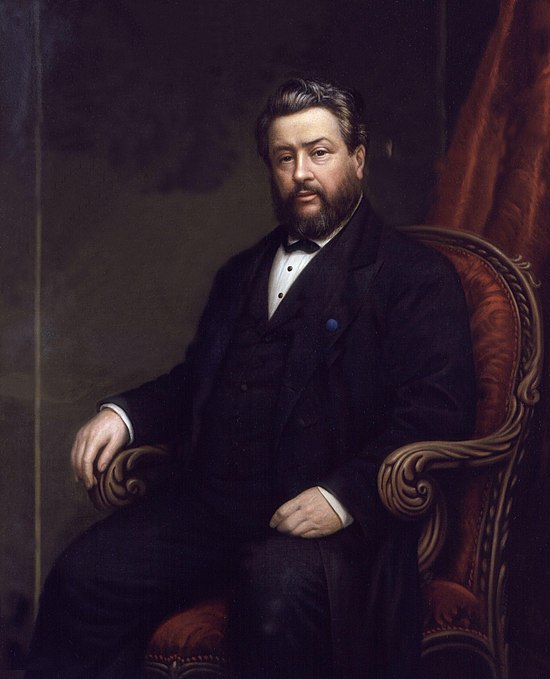
C. H. Spurgeon's sermon "Divine Interpositions!" addresses the sovereignty of God in the face of tragedy, particularly in light of the recent sinking of the SS Princess Alice. He argues that all calamity, including personal loss and public disaster, is ordained by God as part of His providential governance of the world (Amos 3:6). Spurgeon discusses the theological necessity of God's sovereignty over both good and evil, emphasizing that even calamities serve a divine purpose, countering the notion that they occur outside God's will. Scripture references, especially Psalm 18:16 and Romans 8, support his assertion that God actively intervenes in believers' lives, ultimately providing deliverance through Christ, who embodies the supreme gracious interposition in matters of salvation. The practical significance of Spurgeon’s message resides in its call for believers to recognize God's providence in their suffering, embrace His sovereignty, and find comfort in His unfailing grace amidst life's trials.
Key Quotes
“It is an atheistical thought which would put God out of any place.”
“He is not far from us in our deepest sorrow, and however we may trace a calamity to the carelessness or the mistake of men, these are but the second causes, and we see behind all mere detail the permit of the Lord.”
“The grandest achievement of all is for the Lord God to work miraculous results without miracles.”
“He sent from above, He took me, He drew me out of many waters.”
The Bible teaches that God is sovereign over all events, including calamities, as seen in Amos 3:6 and Psalm 18:16.
Scripture clearly asserts the sovereignty of God over all events, including calamities, expressed in verses like Amos 3:6, which poses the question, 'Shall there be evil in a city, and the Lord hath not done it?' This emphasizes that nothing happens outside of God's control. Psalm 18:16 illustrates God's power to deliver His people, stating, 'He sent from above, he took me, and drew me out of many waters.' The reality of God's sovereignty means He is not distant from suffering but is actively at work through all circumstances, whether they appear good or ill to us. Understanding this doctrine helps Christians cultivate trust in God's plan, even amidst tragedy.
Amos 3:6, Psalm 18:16
God answers prayers through providential interpositions that may not always be miraculous but are still significant.
While miraculous interventions may not be expected as they once were, God's providential care is a powerful reality. Many believers can recount instances where they faced dire situations and experienced God's deliverance that was not miraculous but profoundly impactful. C. H. Spurgeon emphasizes that God works through natural means in response to prayers, aligning with Psalm 18:16 where He 'drew me out of many waters.' Recognizing these acts of providence reinforces faith, showing that God is involved in every detail of our lives, ensuring that we are sustained through our trials.
Psalm 18:16
Understanding God's sovereignty in suffering helps Christians find peace and purpose amid trials.
The comprehension of God's sovereignty in suffering is foundational for the Christian faith. It teaches that God is not merely a distant observer, but He governs all events, including hardship. Spurgeon's message highlights the significance of understanding that calamities come under God's providential authority, offering reassurance that there is purpose even in suffering. This perspective fosters endurance as Christians recognize that their trials can lead to spiritual growth and deeper reliance on God. Romans 8 also points to the assurance that God works all things for good, ultimately preparing us for eternal glory.
Romans 8
God can enact His will through natural means without resorting to miraculous interventions.
God's providence is evident in how He orchestrates events in the world, using ordinary means rather than miraculous acts. Spurgeon emphasizes that God's ability to work through natural laws demonstrates His sovereignty without necessitating interruption of those laws. For instance, He delivers and blesses His people not by constantly altering the elements of nature but by guiding circumstances towards a favorable outcome, reflecting His divine wisdom. This understanding encourages believers to trust in God's hand at work, even when it’s not overtly visible, thereby maintaining hope and faith in His care and guidance.
It means God delivers His people from trials and tribulations, often in ways that are deeply personal and reassuring.
The phrase 'He took me and drew me out of many waters' symbolizes God’s rescue of His people from overwhelming difficulties. This deliverance is characterized by a personal touch where God’s grace intervenes in individual lives to provide aid and comfort during distress. Spurgeon connects this imagery with both physical and spiritual deliverance, illustrating that God, through Jesus, enters into suffering with us, providing a way out of our darkness and despair. This teaching reassures believers of God's active role in their salvation, emphasizing trust in His rescue during turbulent times.
Psalm 18:16
Comments
Your comment has been submitted and is awaiting moderation. Once approved, it will appear on this page.
Be the first to comment!
