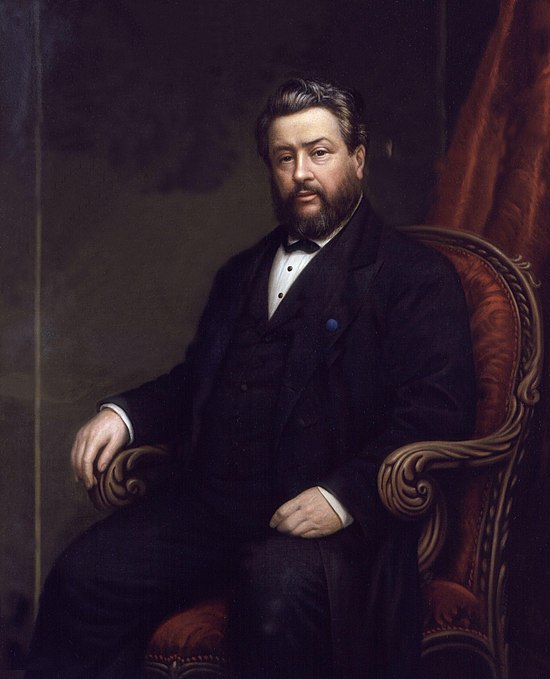
In C. H. Spurgeon's sermon "The Pierced One Pierces the Heart," he emphasizes the connection between the recognition of Christ's suffering and genuine repentance. He argues that individuals often mistakenly believe they must first mourn their sins before looking to Christ for salvation; however, he asserts, based on Zechariah 12:10 and Romans 8, that true mourning arises from first recognizing the significance of the pierced Savior. According to Spurgeon, this understanding triggers a heartfelt response, revealing that repentance is a consequence of faith rather than a prerequisite. His sermon highlights the Reformed doctrine of justification by grace through faith, underscoring that genuine repentance springs from an encounter with Christ's love and sacrifice rather than self-generated sorrow. This theological approach invites listeners to seek Christ directly, assuring them that their brokenness can find hope only in Him.
Key Quotes
“Repentance is in no sense a title to faith in Christ. It is, on the other hand, a legitimate consequence of faith.”
“True mourning for sin is the work of the Spirit of God. There is no mourning until first the Spirit is poured out.”
“Looking is a thing so simple that neither moral nor physical preparations are required.”
“Come, I pray you, have done with that self of yours. None but Jesus, none but Jesus can do helpless sinners good.”
True repentance is a result of looking to Christ and is characterized by sincere sorrow for sin.
True repentance is not merely feeling great terrors or frightful tears; it is a work of the Spirit of God that follows a genuine look upon the Lord Jesus Christ. Repentance involves seeing sin as an offense against Christ, which leads to a profound sorrow for the harm caused to Him. This sorrow is not about fearing punishment but about understanding that our actions pierce the heart of our Savior. True repentance transforms one’s heart, making it intensely practical, consistent, and focused on Christ's love, ultimately leading the believer to continually seek forgiveness and reject sin.
Zechariah 12:10, Romans 8:28-30
The suffering of Jesus is confirmed through Scripture as a central truth of the Gospel and the fulfillment of prophecy.
The truth of Jesus Christ's suffering for us is solidly rooted in biblical prophecy and the accounts of His crucifixion. As foretold in Zechariah 12:10, the Messiah would be pierced, a prophecy fulfilled in the crucifixion of Jesus. His anguish and pain on the cross were not merely historical occurrences; they were the manifestations of God's love for humanity, designed to redeem sinners. The depth of Christ's suffering illustrates not only the seriousness of sin but also the extent of God's grace and mercy, encouraging believers to look upon Him and trust in His sacrifice for salvation.
Zechariah 12:10, Romans 8:28-30
Mourning for sin is vital as it leads to true repentance and a deeper understanding of Christ's sacrifice.
Mourning for sin serves a crucial role in the Christian faith as it brings forth a reality check regarding one's separation from God due to sin. This mourning, however, is not to be understood as simply feeling guilt; it is a deeper, heartfelt response to recognizing the pain and cost of sin as expressed through Christ's suffering. The acknowledgment of our sins and the mourning that follows should lead to repentance, helping believers draw closer to God and appreciate the grace that allows them reconciliation through Jesus Christ. It is through this sorrow that believers are often driven to cherish their relationship with Christ even more.
Zechariah 12:10, Romans 8:28-30
Looking to Jesus involves faith in Him as the source of salvation and recognizing His sacrifice on the cross.
To look to Jesus for salvation is to place one's faith in Him, acknowledging that He is the sole source of redemption and the fulfillment of God's promises. This looking is not merely physical sight but a heartfelt belief that understands the significance of His death and resurrection. Jesus commands us to look to Him in trust, irrespective of our conditions; it is about focusing on His finished work at the cross rather than our ability to feel or perform. This faith, however small or imperfect, brings life and assurance of salvation to those who genuinely seek Him.
Zechariah 12:10, Romans 8:28-30
Comments
Your comment has been submitted and is awaiting moderation. Once approved, it will appear on this page.
Be the first to comment!
