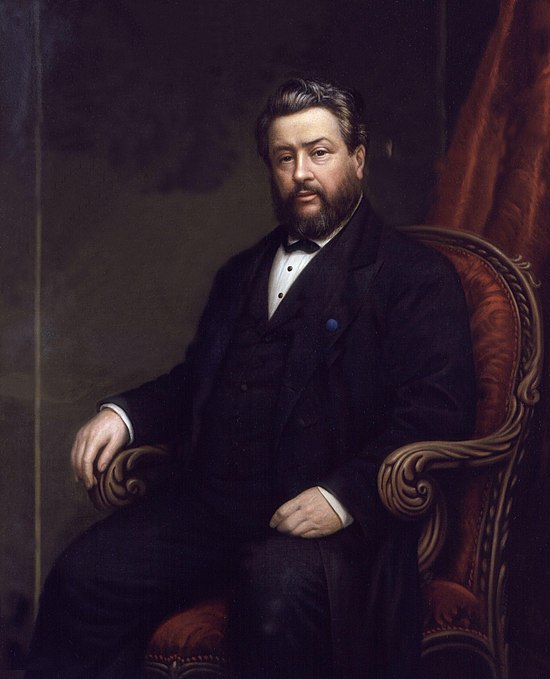
C. H. Spurgeon's sermon, "Sown Among Thorns," addresses the theological significance of fruitfulness in the Christian life as derived from Jesus' parable of the sower in Matthew 13:7-22. Spurgeon argues that the unfruitful seed, despite being well-received, yields no results due to the surrounding thorns, which represent worldly cares, deceitfulness of riches, pleasures of life, and other distractions that choke spiritual growth. The preacher emphasizes that the same seed, the Word of God, produces different outcomes based on the condition of the heart. The scriptural references used illustrate the danger of allowing earthly concerns to overshadow spiritual vitality and the urgency of genuine faith production, which is of utmost significance in the Reformed perspective on perseverance and assurance of salvation.
“Without fruit the sower's work would even seem to be insane, for he takes good wheat, throws it away, and loses it in the ground.”
“The word of the Lord tries the heart and reins of the children of men, and in this it is as the fire, which distinguishes between metal and dross.”
“O dear hearers, surely we did not come into this world to play away our days. I do not think we came into this world either to slave ourselves to death or to rust away in laziness.”
“If you believe the truth, what do you more than the devil? Nay, you are behind him, for he believes and trembles, and you have not gone so far as the trembling.”
The Bible warns that cares of the world and deceitfulness of riches can choke the Word, making it unfruitful (Matthew 13:22).
Matthew 13:22
Bearing fruit demonstrates a living faith and the transformative power of God's grace in a believer's life.
Romans 6:22, Matthew 7:20
The truth of sovereign grace is affirmed through the consistent teaching of Scripture and the transformative experiences in believers' lives.
Ephesians 1:4-5, Romans 8:28-30
Auto-generated transcript • May contain errors

Comments
Your comment has been submitted and is awaiting moderation. Once approved, it will appear on this page.
Be the first to comment!