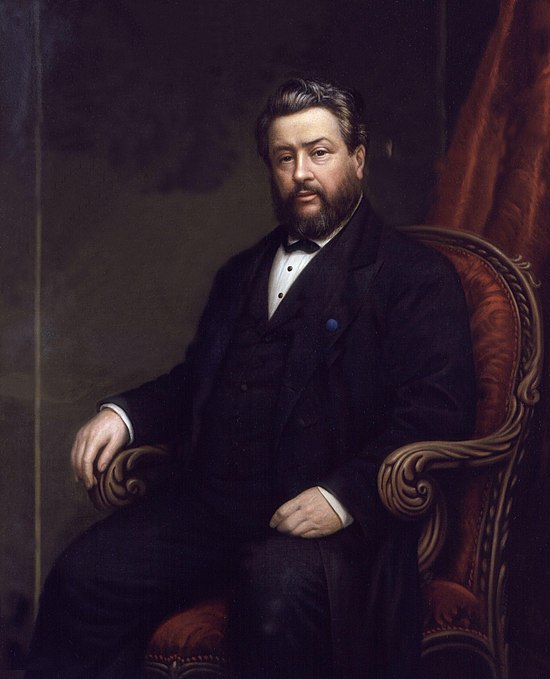
C. H. Spurgeon's sermon, titled A Heavenly Pattern for our Earthly Life, addresses the profound theological concept of God's will, as articulated in the Lord's Prayer (Matthew 6:10). The central argument emphasizes the necessity for believers to align their earthly lives with the divine will in a manner akin to the obedience observed in heaven. Spurgeon systematically explores biblical examples, particularly citing Jesus' agony in the Garden of Gethsemane (Matthew 26:39) to illustrate perfect submission to God's will, even amidst suffering and loss. He argues that both the joys and tribulations of life are part of God's sovereign design, reinforcing the importance of faith in understanding God's wise and loving governance over creation (Romans 8:28). The doctrinal significance lies in encouraging Christians to embrace their commission to spread the Gospel diligently, living in accordance with God's will and seeking to mirror the holiness and order of heaven on earth.
Key Quotes
“Thy will be done in earth as it is in heaven. A heavenly pattern for our earthly life.”
“The Lord doeth according to his will... Let us learn to say, It is the Lord, let him do what seemeth him good.”
“We must still see one missionary after another cut down in his prime... he being dead yet speaketh.”
“If the prayer of our text had not been dictated by the Lord Jesus himself, we might think it too bold.”
The Bible teaches that God's will is to be done on earth as it is in heaven, emphasizing His sovereignty and the importance of submission to His plan.
In Matthew 6:10, Jesus instructs His followers to pray that God's will be done on earth as it is in heaven. This reflects the belief that God's sovereignty extends over all creation, both heavenly and earthly. As believers, we are called to yield to this divine will, even when it brings hardship or loss into our lives. Spurgeon emphasizes that true faith involves not just acquiescence to God's plan but a rejoicing in it, recognizing that His will, shaped by infinite wisdom, is ultimately for our good and His glory. This submission is rooted in the understanding that God's ways are higher than our own, and even when we do not grasp the reasons behind His actions, we are to trust in His perfect order and timing.
Matthew 6:10, Romans 8
God's will is founded in infinite wisdom and love, assuring us that His plans for us surpass our understanding and preferences.
The assurance that God's will is better than our own comes from recognizing His infinite wisdom and love for us. In Romans 8, we are reminded that all things work together for good to those who love God and are called according to His purpose. Spurgeon illustrates this by discussing how even painful circumstances, such as the death of saints or missionaries, serve a greater purpose in God's kingdom that we may not fully comprehend. By submitting to God's will, we acknowledge that His understanding of what is best for our lives and the world is far superior to our limited perspective. Faith calls us to trust in this divine wisdom, even when it leads us through trials that seem incomprehensible. Ultimately, we can be assured that God's plans are designed for our ultimate good and His glory.
Romans 8, Matthew 6:10
Prayer is essential for aligning our hearts with God's will, as it fosters a spirit of submission and dependence on Him.
Prayer serves as a critical channel through which believers align their hearts and minds with God's will. In Matthew 6:10, the petition for God's will to be done is not merely a request; it is also a commitment to pursue the divine plans actively. Through prayer, we acknowledge our dependence on God, seeking His guidance, strength, and wisdom to carry out His will on earth. Spurgeon underscores that fervent prayer should arise from our innermost being, prompting us to crave a deeper relationship with God and to engage in acts of obedience. Moreover, through prayer, we invite the Holy Spirit to transform our desires to reflect those of Christ, thereby equipping us to act in ways that glorify God and fulfill His purposes in our lives and in the world around us.
Matthew 6:10, Romans 8
Comments
Your comment has been submitted and is awaiting moderation. Once approved, it will appear on this page.
Be the first to comment!
