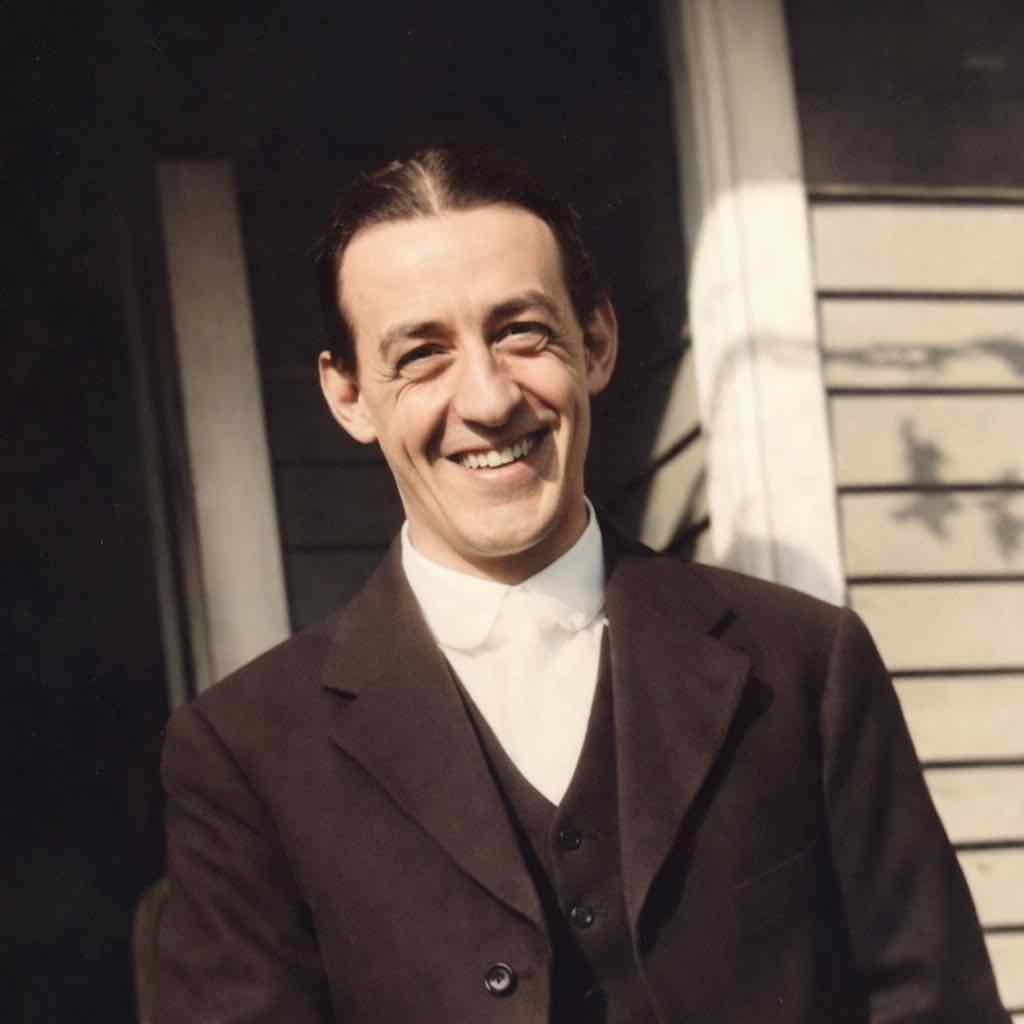
In "Prayer and God's Sovereignty," A.W. Pink addresses the critical relationship between prayer and divine sovereignty, emphasizing that prayer is fundamentally an act of dependency on God rather than a means to manipulate Him into changing His will. Pink argues that much contemporary teaching regarding prayer overemphasizes human initiative and underappreciates God’s supreme authority. He supports his arguments with Scripture, notably 1 John 5:14, asserting that prayer must align with God's will to be effective, as well as with passages like Daniel 4:35 and Ephesians 1:11, which affirm God's unchanging plans. The theological significance of Pink's sermon lies in its call for believers to understand prayer as a means of glorifying God and fostering communion with Him, thus ensuring that prayer reflects the sovereignty and ultimate purpose of God rather than promoting a transactional view.
“It is not in man that walketh to direct his steps.”
“Prayer is not intended to change God's purpose, nor is it to move him to form fresh purposes.”
“The prayers of God’s saints are the capital stock in heaven by which Christ carries on His great work upon earth.”
“Well did Luther remark, prayer is not overcoming God's reluctance, but laying hold of his willingness.”
The Bible teaches that God's sovereignty governs all aspects of prayer, emphasizing that prayers should align with God's will for effective communication.
1 John 5:14, Ephesians 1:11
Prayer is essential for Christians as it acknowledges God's supremacy, fosters dependence, and brings about spiritual growth.
James 4:3, Romans 10:17
Prayer is effective when it is according to God's will, aligning our requests with His sovereign plans.
1 John 5:14, John 17:5
Some prayers may seem unanswered when they do not align with God's will or when the answer is different than expected.
James 4:3
Auto-generated transcript • May contain errors
Arthur Walkington Pink (April 1, 1886 - July 15, 1952) was an English Bible teacher who sparked a renewed interest in the exposition of the doctrines of Grace otherwise known as "Calvinism" or "Reformed Theology" in the twentieth century.

Comments
Your comment has been submitted and is awaiting moderation. Once approved, it will appear on this page.
Be the first to comment!